In the complex landscape of international trade, re-export trade occupies a unique position with its distinct operating model. However, the risks associated with re-export trade are not to be underestimated, making insurance a crucial link in ensuring the smooth progress of trade. Today, let's delve into the key aspects of re-export trade insurance.
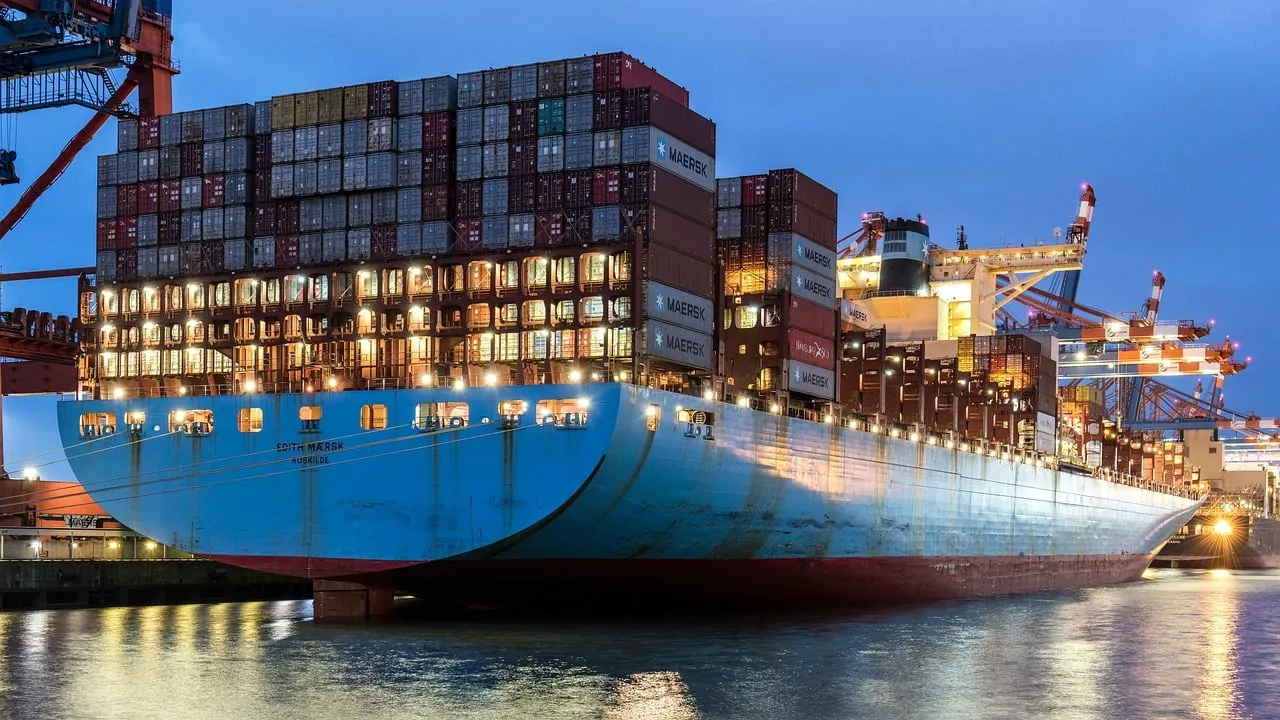
Risks of Re-export Trade and the Necessity of Insurance
Re-export trade involves multiple stages such as storage and transit of goods in the transshipment country, making its risks more complex and diverse compared to direct trade. Goods in transit warehouses may face risks like fire and theft; during transportation, they might encounter accidents such as severe weather or vessel malfunctions. For example, Mr. Zheng, who is engaged in re-export trade, suffered significant losses when a batch of his goods was damaged due to a sudden fire in the transit warehouse. As he had not insured against relevant risks, he ultimately had to bear the enormous loss alone. It is evident that for re-export traders, insurance is an important means to transfer risks and safeguard their own interests.
Insurable Risks for Re-export Trade
- Marine Cargo Insurance: This is the most common type of insurance for re-export trade, primarily covering losses to goods during maritime transport. It includes different coverage levels such as "All Risks," "With Average," and "Free from Particular Average," and traders can choose based on the nature of the goods and the transportation route.
- Warehouse Insurance: While goods are stored in transit warehouses, warehouse insurance provides protection against various accidental losses that may occur within the warehouse.
- War and Strikes Risks Insurance: If trade involves regions with unstable political situations, consider adding these coverages to address cargo losses caused by special events such as war and strikes.
Points to Consider During the Insurance Process
Firstly, traders must truthfully disclose the actual condition of the goods, including information about their nature, value, and packaging. If Mr. Zheng concealed the flammable nature of the goods when obtaining insurance, the insurance company may refuse to compensate on the grounds of non-disclosure if a fire accident occurs. Secondly, carefully read the insurance terms and conditions to clarify the scope of insurance liability, excluded liabilities, and claims conditions. Furthermore, determine the insurance amount reasonably, ensuring it is neither too high, leading to wasted premiums, nor too low, resulting in insufficient coverage.
Choosing a Suitable Insurance Company
In re-export trade insurance, selecting a reliable insurance company is crucial. Consider the company's reputation and strength. For instance, Zhongmaoda, with its extensive experience and good reputation, has performed exceptionally well in the field of re-export trade insurance. At the same time, pay attention to the insurance company's service quality, including claims processing speed and customer service professionalism. High-quality service can ensure timely and effective compensation for traders when risks occur, thus reducing losses.
Re-export trade insurance is a discipline. Only by fully understanding its key aspects can traders build a strong defense against risks for their goods in the complex trade environment. It is hoped that re-export trade practitioners will attach importance to insurance, plan their insurance schemes reasonably, and make their trade journeys smoother.

Recent Comments (0) 0
Leave a Reply