On the grand stage of global trade, re-export trade shines like a resplendent yet somewhat mysterious gem. When combined with Uncomtrade, it has garnered significant attention from numerous trade professionals. So, what unique charm and operational model does Uncomtrade re-export trade possess? Let us delve deeper together.
What is Uncomtrade Re-export Trade
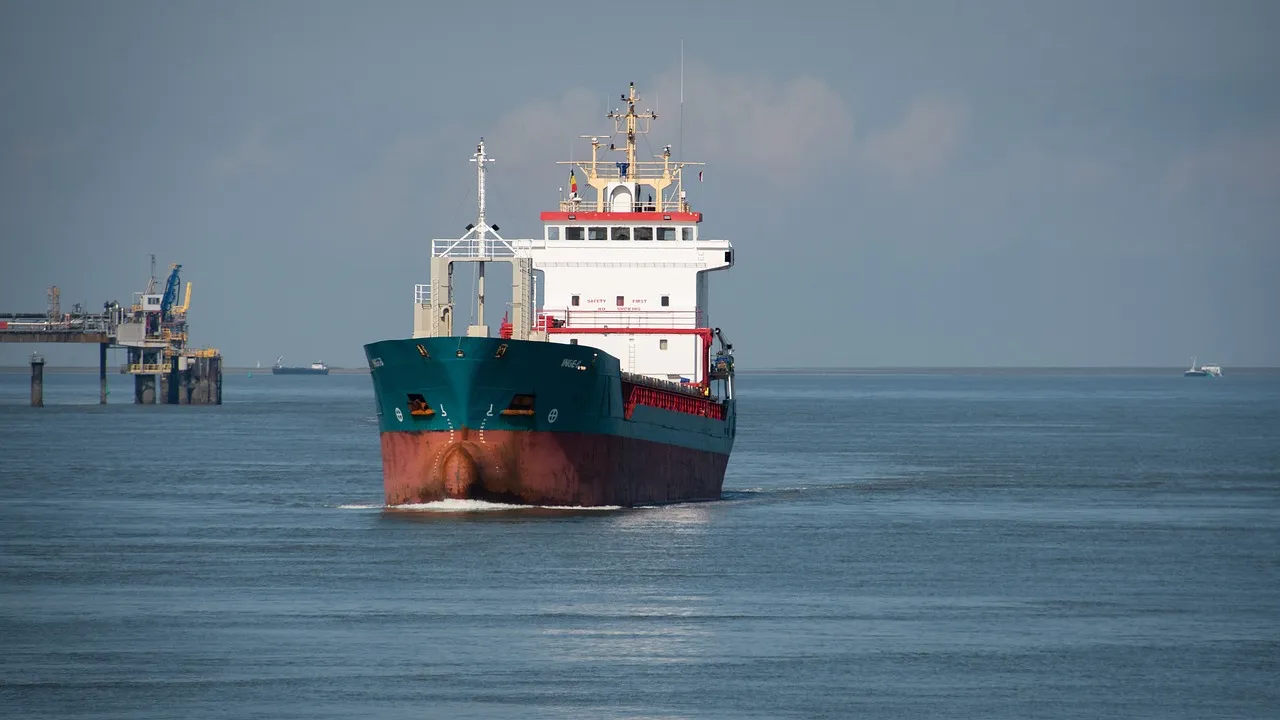
Uncomtrade re-export trade, simply put, refers to trade conducted between the country of origin of goods and the country of consumption, or between the country of supply and the country of demand, where a third country (or region) trader separately enters into import and export contracts. Here, Uncomtrade provides a series of professional services and data support for this trade model.
For example, a factory in China produces a batch of high-quality electronic products originally intended for export to the United States. However, due to certain trade policies, logistics costs, or other factors, through the Uncomtrade platform, these goods are first exported to a trading company in Singapore, which then re-exports the goods to the United States. In this process, Uncomtrade can provide detailed trade data, including tariff policies and market demands of various countries, to help traders better plan their re-export routes.
Advantages of Uncomtrade Re-export Trade
Firstly, circumventing trade barriers. Some countries have high tariffs or trade restrictive measures. Through re-export trade, utilizing the more lenient trade policies of a third country can effectively reduce trade costs. For instance, if certain countries impose high anti-dumping duties on specific products, enterprises can leverage Uncomtrade re-export trade to choose a suitable third country for transit, thereby avoiding these trade barriers.
Secondly, optimizing logistics costs. With its vast logistics data and resources, Uncomtrade can assist traders in planning the most efficient logistics routes. Sometimes, direct shipping from the country of production to the country of consumption may not be the most economical option. Through re-exportation, logistics resources can be integrated, reducing transportation costs and time costs. For example, goods shipped from Europe to South America, transiting through the Middle East, might see reduced overall logistics costs due to the developed logistics hubs in the region.
Furthermore, expanding market channels. By participating in Uncomtrade re-export trade, traders can reach more customers and suppliers from different regions. Taking Southeast Asia as an example, local traders engaging in re-export trade through the Uncomtrade platform can not only export their own products to more distant markets but also import high-quality goods from other countries, enriching their product lines and expanding their business scope.
Operational Procedures of Uncomtrade Re-export Trade
- Traders must first register an account on the Uncomtrade platform and complete their company and product information. This step is to establish their "trade business card" on the platform, making it easier for other trade partners to find them.
- Utilize the platform's data analysis functions to find suitable re-export trade opportunities. For example, analyze market demand, trade policies, and product price differences in different countries.
- Sign contracts separately with suppliers in the country of production and customers in the country of consumption. During the contract signing process, clearly define the rights and obligations of each party, especially key terms such as product quality standards, price, and transportation methods.
- Arrange for cargo transportation and logistics transit. Uncomtrade can provide logistics recommendations and coordination services to ensure that goods can be transited smoothly and reach their destination on time.
- Handle trade documents and customs clearance procedures. This step is crucial. Traders need to prepare all necessary trade documents, such as bills of lading, invoices, packing lists, etc., in accordance with the regulations of the relevant countries to ensure smooth customs clearance of goods.
How to Cope with Risks in Uncomtrade Re-export Trade
Despite the numerous advantages of Uncomtrade re-export trade, it also comes with certain risks. In terms of policy risks, traders must closely monitor changes in trade policies of various countries and adjust their re-export strategies in a timely manner. For example, some countries may suddenly introduce new tariff policies, affecting the costs and feasibility of re-export trade. For logistics risks, it is essential to choose reliable logistics partners and purchase adequate cargo insurance to cope with damage, loss, or other situations during transportation. Credit risks should not be overlooked. Traders should thoroughly understand their trading partners through the platform's credit evaluation system to avoid losses due to counterparty default.
Uncomtrade re-export trade offers a flexible and potential-rich model for global trade. Both large enterprises and small and medium-sized enterprises can leverage the advantages of the Uncomtrade platform to find new business opportunities in the complex and dynamic international market. It is hoped that more trade professionals will actively explore and find their own path to development amidst the wave of Uncomtrade re-export trade.

Recent Comments (0) 0
Leave a Reply