On the vast stage of international trade, export business is an important way for many enterprises to expand into overseas markets. When it comes to export methods, direct export and agency export are two frequently mentioned models. Today, let's delve into the differences between these two export methods, which we believe will be helpful to many friends engaged in foreign trade-related work.
I. Differences in Definitions and Operating Entities
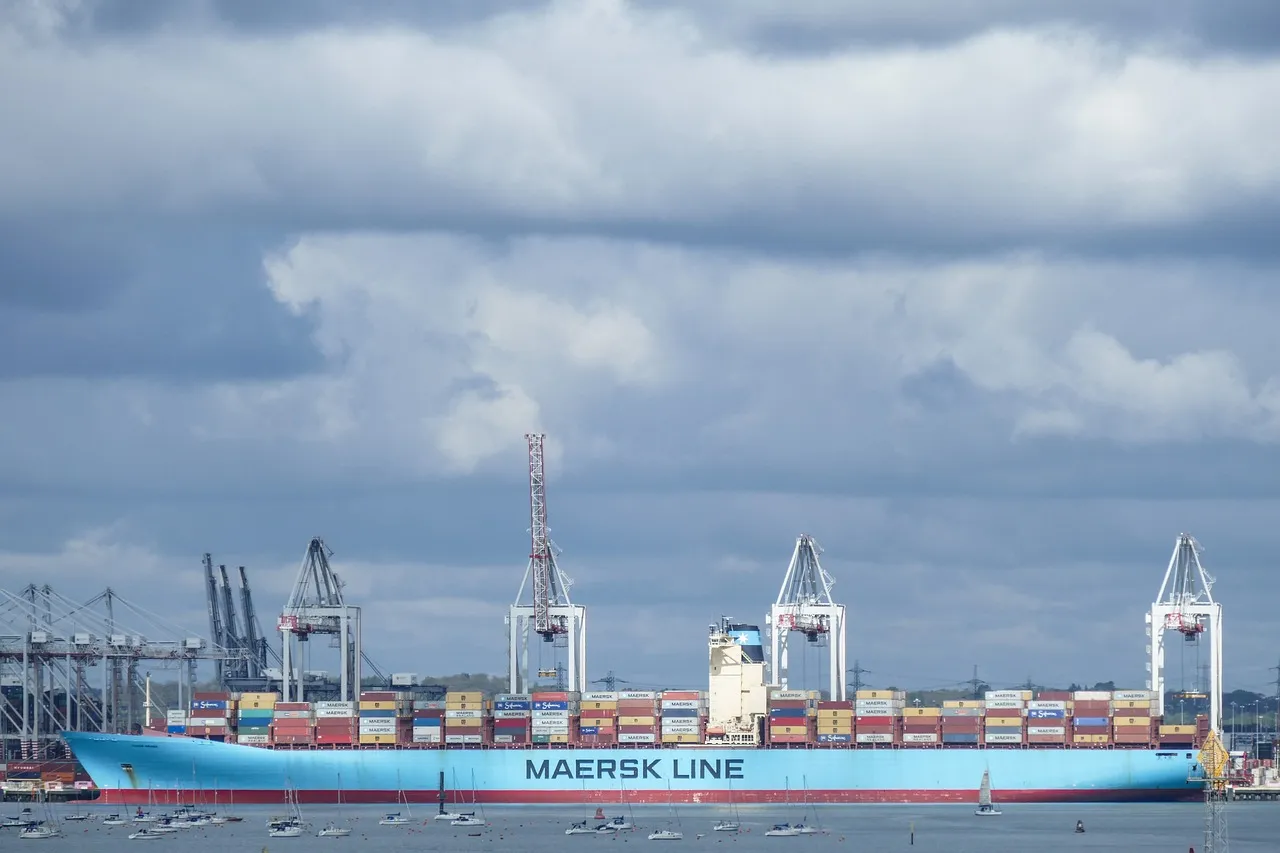
Direct Export: Refers to enterprises directly conducting export business themselves. A series of export processes, from finding overseas clients, signing contracts, organizing sources of goods, to handling customs declaration and inspection, are all completed by the enterprise's own foreign trade team. That is to say, the enterprise itself possesses import and export operation rights and fully leads the entire export trade activity, much like Mr. Xing company, which has a professional foreign trade department responsible for introducing its products to the international market.
Agency Export: Involves enterprises (consignors) entrusting export business to a professional foreign trade agency company (consignee) for handling. The agency company, relying on its rich foreign trade experience and professional resources, completes relevant procedures for export segments such as customs declaration, inspection, and tax refunds on behalf of the consignor. For example, Mr. Xing company, not very familiar with foreign trade processes, chose a reliable agency export company to help handle export matters.
II. Differences in Costs and Expenses
For enterprises engaged in direct export, costs are mainly concentrated on product production costs, market promotion expenses, human resources costs for the foreign trade team, and various taxes and fees during the export process. Enterprises need to invest significant resources to establish and maintain a foreign trade business system, which is undoubtedly a considerable expenditure. However, when the business scale is large enough, direct export may gain more profit margin by reducing intermediate links.
Under the agency export model, the consignor needs to pay a certain agency fee to the agency company. This fee is usually charged based on factors such as the value or quantity of the exported goods. Although there is an expenditure for agency fees, the consignor can save on costs related to establishing a foreign trade team and familiarizing themselves with foreign trade processes. For some small and medium-sized enterprises or those with a small volume of foreign trade business, this might be a more economical choice.
III. Differences in Risk Assumption
Direct export enterprises bear various risks throughout the entire export business process. For example, the credit risk of overseas clients – if clients default on payments or breach contracts, the enterprise needs to deal with and resolve it itself; risks during product transportation, such as damage or loss of goods, are also borne by the enterprise; and risks brought by exchange rate fluctuations, which may affect the enterprise's profit situation. In short, direct export enterprises must face many uncertainties alone.
In agency export, although the agency company will strive to complete various export tasks according to the consignor's requirements, for some uncontrollable risks, such as the credit risk of overseas clients, the ultimate responsibility still rests with the consignor. However, agency companies usually leverage their professional experience to some extent to help consignors assess and mitigate risks. Relatively speaking, consignors can utilize some of the agency company's professional resources in dealing with risks.
IV. Differences in Tax Refunds and Related Policy Enjoyment
Direct export enterprises can apply for export tax refunds directly in their own name, enabling them to grasp tax refund progress and policy changes more promptly and accurately, and to better utilize tax refund policies to reduce costs and increase profits. Furthermore, enterprises can flexibly adjust their export strategies according to their own business conditions to meet the requirements of tax refund policies.
The tax refund situation for agency export is relatively more complex. Generally, the agency company applies for the tax refund on behalf of the consignor, and then transfers the refund amount to the consignor. In this process, the consignor needs to clearly agree with the agency company on matters related to the tax refund, such as the calculation of the refund amount and the timing of the refund; otherwise, disputes may arise. Moreover, when processing tax refund business, the agency company may be influenced by its own business processes and relevant regulations, potentially leading to tax refund progress and results that do not fully meet the consignor's expectations.
Conclusion: Choosing What Suits You Best Is Optimal
Through the detailed analysis of the differences between direct export and agency export above, we can see that both export methods have their respective advantages and disadvantages. When choosing an export method, enterprises need to comprehensively consider various factors such as their scale, foreign trade business capabilities, cost bearing capacity, and risk preference. We hope that all foreign trade practitioners can make informed choices based on their actual circumstances, allowing their export business to proceed more smoothly and their steps towards the international market to be more steady. We also welcome everyone to share their experiences and insights on choosing export methods in the comment section.

Recent Comments (0) 0
Leave a Reply