Hey everyone! In this era of rapid development and frequent global circulation of electronic products, many people are enthusiastic about purchasing foreign electronic devices. However, do you know what fees are involved when these electronic products go through import customs clearance? Today, let's delve into this matter thoroughly so you can have a better understanding when buying imported electronic products.
I. Tariffs - An Inevitable Major Expense
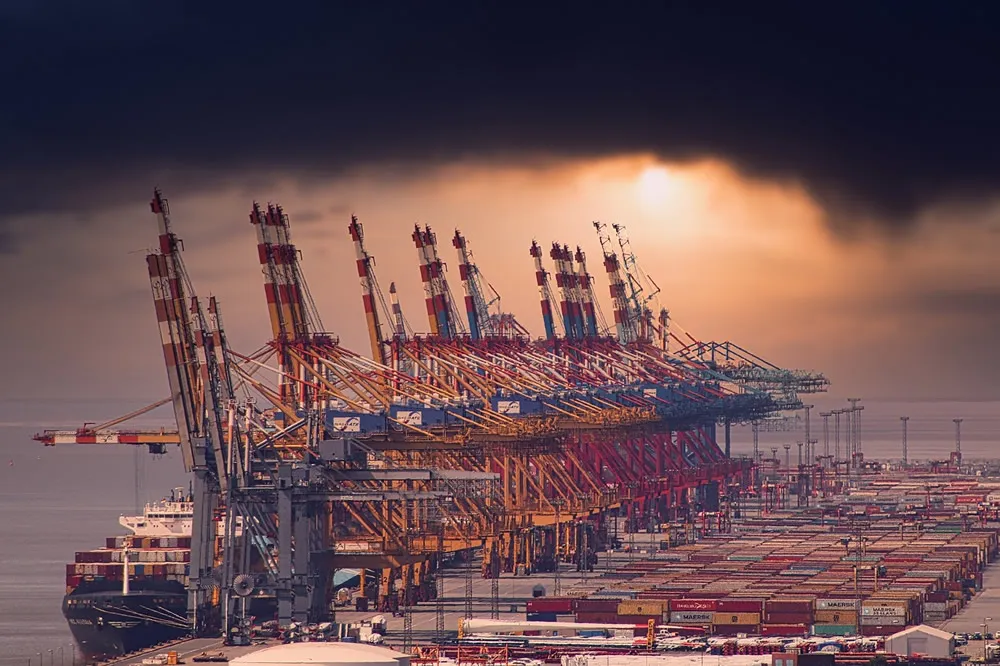
Speaking of import customs clearance fees for electronic products, tariffs are undoubtedly a major component. The calculation of tariffs is typically determined based on factors such as the type and value of the electronic product. Different types of electronic products, such as mobile phones, computers, and headphones, may be subject to different tariff rates. Generally, more high-end and advanced electronic products may incur relatively higher tariffs. For instance, a high-end smartphone, due to its cutting-edge chip technology and high-pixel camera, might require a higher tariff rate during import customs clearance. Furthermore, the amount of tariff is closely related to the declared value of the electronic product; the higher the declared value, the higher the corresponding tariff fee.
II. Value-Added Tax (VAT) - An Expense Not to Be Ignored
In addition to tariffs, VAT is also a significant part of the import customs clearance fees for electronic products. In our country, VAT is a tax levied on the added value during the circulation of goods. For imported electronic products, VAT must also be paid during customs clearance. Its calculation is generally based on the dutiable value, adding the tariff amount, and then applying the corresponding VAT rate. Typically, the VAT rate for electronic products is relatively fixed, but the actual amount payable will vary depending on the product's value and tariff situation. It's like when you buy an imported laptop; after going through the tariff stage, you still need to calculate the VAT based on the price including the tariff, and these are real expenses you have to bear.
III. Consumption Tax - An Additional Burden for Specific Electronic Products
Some of you might not be aware that certain electronic products may also be subject to consumption tax during import customs clearance. However, not all electronic products require the payment of consumption tax; it is generally levied on those that are considered luxury consumer goods or have specific consumption attributes. For example, some high-end audio equipment or luxury game consoles may require the additional payment of consumption tax during customs clearance under certain conditions. The consumption tax rate also varies depending on different products, so whether a specific electronic product needs to pay consumption tax and how much it will be must be determined by carefully referencing relevant regulations.
IV. Customs Clearance Service Fees - The Cost of Professional Services
When electronic products undergo import customs clearance, customs clearance service fees are also indispensable. These fees are primarily paid to professional organizations or customs brokers that provide customs clearance services. After all, customs clearance is a rather complex process involving the handling and verification of numerous procedures and documents. These professional organizations help manage tasks such as filling out customs declarations, submitting documents, and communicating and coordinating with customs, so charging a certain service fee is reasonable. The amount of customs clearance service fees is usually determined by factors such as the complexity of the electronic product and the workload involved in customs clearance. For instance, the import customs clearance of a large quantity of electronic products with various models might incur higher customs clearance service fees due to the substantial workload.
V. Other Potential Fees
- Inspection and Quarantine Fees: To ensure that imported electronic products comply with China's relevant quality and safety standards, inspection and quarantine may be conducted, which will incur corresponding fees.
- Warehousing Fees: If electronic products need to be temporarily stored during the customs clearance process, for example, due to prolonged document processing, then warehousing fees must also be considered.
Therefore, when purchasing imported electronic products, you cannot just focus on the product price itself; you must also consider these import customs clearance fees. Only then can you truly calculate the total cost of purchasing an imported electronic product.
Conclusion: Calculate Fees, Consume Rationally
After understanding these intricacies of electronic product import customs clearance fees, we hope that everyone will be more rational when purchasing imported electronic products in the future. Don't just be tempted by the attractive product price and impulsively place an order, only to be caught off guard by various fees during customs clearance. It's advisable to do your homework before purchasing and consult with professional customs clearance service agencies, such as Zhongshichang, to understand all the fees clearly. This way, you can satisfy your love for imported electronic products while also reasonably planning your expenses. Friends, do you have any other questions or experiences regarding electronic product import customs clearance fees? Feel free to leave a comment below to discuss!

Recent Comments (0) 0
Leave a Reply