In the globalized business tide, more and more enterprises aspire to venture into international markets and expand their business territories. However, to truly achieve the cross-border circulation of products or services, import and export rights become an unavoidable hurdle. So, under what circumstances do enterprises need to apply for import and export rights? Today, let's explore this in depth together.
Directly Engaging in Import and Export Business
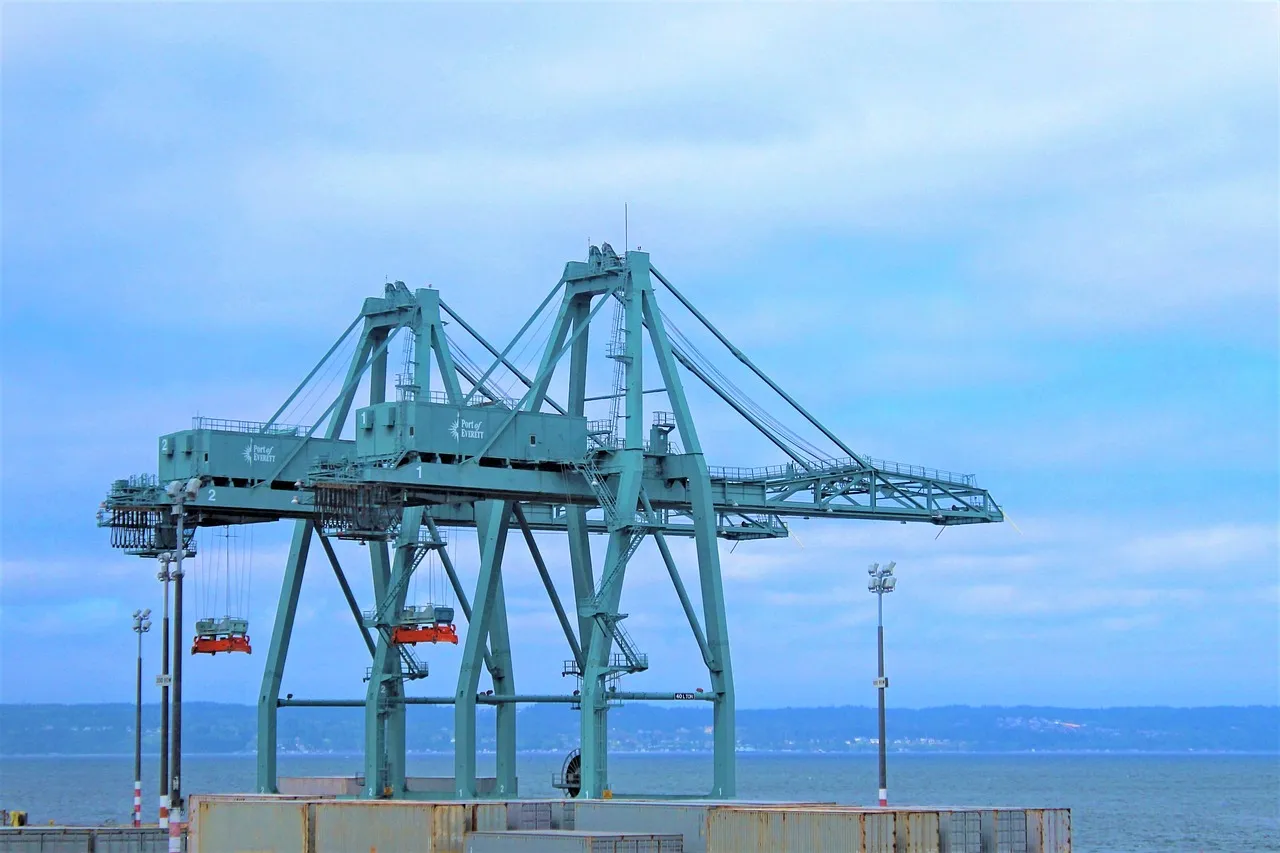
If an enterprise plans to directly sell its self-produced products overseas or procure raw materials and goods from abroad for domestic sales, obtaining import and export rights is the first priority. Take a large-scale manufacturing enterprise as an example. Through technological research and development, the company has produced a smart device that is highly acclaimed in the domestic market. As the product's popularity grows, many overseas customers express purchasing intentions. At this point, to directly engage in transactions with foreign clients and smoothly export products, possessing import and export rights is essential. Similarly, for a trading company that discovers high-quality specialty products from abroad and wishes to introduce them into the domestic market, without import and export rights, nothing can begin.
Engaging in Cross-Border E-commerce Business
Currently, cross-border e-commerce is developing at a rapid pace. Numerous e-commerce enterprises leverage various cross-border e-commerce platforms to sell their goods worldwide. Even if a company conducts business through e-commerce platforms, import and export rights remain indispensable. For instance, Mr. Ren operates a cross-border e-commerce store specializing in fashion apparel. Initially, he handled import and export matters through some agent companies. However, as his business volume continued to grow, not only did the costs increase significantly, but problems frequently arose in logistics and customs clearance, severely affecting customer experience and business development. Later, Mr. Ren decisively applied for import and export rights, which not only allowed him better control over the import and export process but also reduced operating costs, leading to a new breakthrough in his store's performance.
Participating in International Bidding Projects
In some large-scale international bidding projects, especially those involving the supply of goods, the tendering party often requires participating enterprises to possess import and export rights. This is because, after winning the bid, the enterprise will be responsible for the import and export related matters of the goods. If an enterprise does not have import and export rights, it may not even be eligible to participate in the bidding, thus missing significant business opportunities. For example, a large infrastructure construction project sought global suppliers for building materials, and the tender clearly stipulated that bidding enterprises must possess import and export rights to ensure the smooth transportation of materials to the project site. Mr. Ren building materials company, due to not timely obtaining import and export rights, had to reluctantly give up the bid, watching a potential opportunity slip away.
How to Apply for Import and Export Rights?
Applying for import and export rights involves multiple government departments and the process is relatively complex. Generally, enterprises need to first register with the commerce department as foreign trade operators. Then, they must register with the customs to obtain a customs code. Subsequently, they need to register with the foreign exchange administration department for foreign exchange receipts and payments. Additionally, obtaining an electronic port card and completing customs inspection and quarantine registration are also essential steps. However, enterprises need not worry too much. Professional service organizations, such as Zhongmaoda, can provide one-stop services for obtaining import and export rights, helping enterprises complete the application process efficiently and conveniently.
In conclusion, for enterprises aspiring to enter the international market, import and export rights are akin to a key that unlocks the door to wealth. When an enterprise meets the aforementioned conditions, it is advisable to take the decisive step of applying for import and export rights, actively embrace the international market, and explore its own commercial blue ocean. If you have any questions during the application process, please feel free to leave a message for discussion.

Recent Comments (0) 0
Leave a Reply