On the grand stage of global trade, import and export cargo declaration procedures are like a rigorous and crucial "behind-the-scenes performance," quietly facilitating the cross-border movement of goods. Today, let us unveil this mysterious veil and delve into the import and export cargo declaration procedures.
Pre-Declaration Preparations
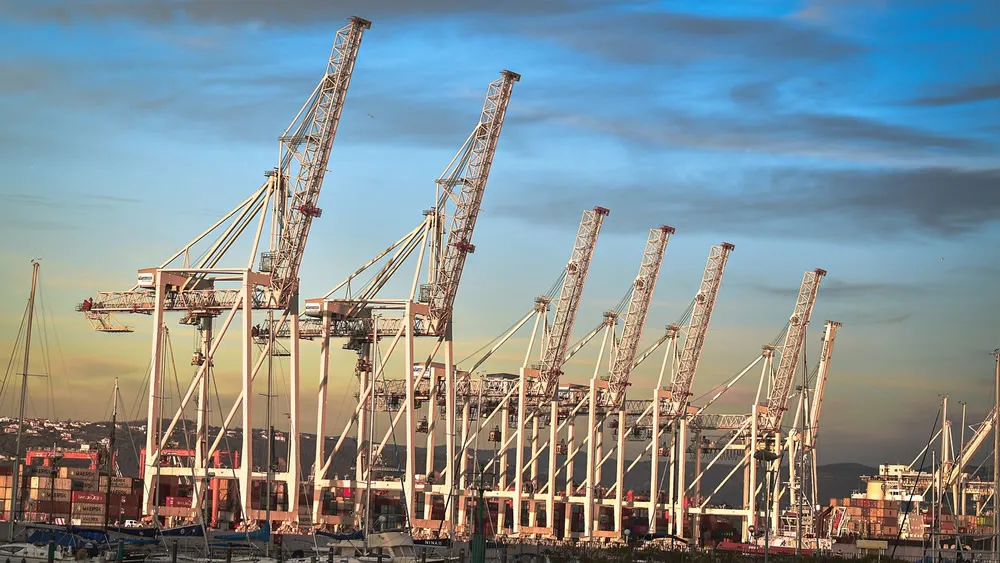
For import and export enterprises, pre-declaration preparation is of paramount importance. Enterprises must first ensure they possess legal operating qualifications. Companies like Zhongmaoda will handle all necessary permits and filing procedures in advance. Simultaneously, accurate commodity classification is a key step. Different commodity classifications correspond to different tax rates and regulatory conditions. For example, the classification standards for electronic products and textiles are vastly different. If the classification is incorrect, it may lead to incorrect tax payments or customs clearance delays. Furthermore, preparing complete and accurate documentation, such as commercial invoices, packing lists, and bills of lading, forms the foundation for smooth customs declaration.
Declaration Phase
Declaration is the core phase of the customs declaration procedure. Enterprises must truthfully declare detailed information about the goods to customs through the electronic port system or other designated methods. It is crucial to declare truthfully, without any false or concealed information. Take Mr. Duan company as an example; they were severely penalized by customs for falsely declaring the usage of a batch of imported equipment. The declaration content covers various aspects such as the name, specifications, quantity, value, and place of origin of the goods. Customs will review the declared information. If any issues are found, the enterprise will be required to supplement or correct the declared content.
Inspection Phase
Customs conducts inspections on some goods to verify the truthfulness and accuracy of the declared content. Inspection methods vary, including thorough inspection and spot checks. Customs officials determine the inspection method based on factors such as the nature and risk level of the goods. A batch of clothing exported by Mr. Duan company was randomly inspected by customs to check if the quality, quantity, and labels of the clothing were consistent with the declaration. Inspections are usually carried out within customs supervision premises, but under special circumstances, inspection at other locations can also be applied for. Enterprises must actively cooperate with customs inspections, providing necessary assistance and convenience.
Taxation Phase
Based on the commodity classification and declared value, customs calculates and levies duties, value-added tax, and other taxes in accordance with relevant laws and regulations. The tax rates vary for different commodities, and enterprises must accurately calculate the payable taxes and pay them in a timely manner. Enterprises can pay taxes conveniently through electronic payment methods. If there is any dispute regarding tax calculation, enterprises have the right to appeal for a review by customs. For instance, Zhongmaoda, during an import transaction, had doubts about the calculation method of a certain tax. They promptly provided feedback to customs, and after recalculation by customs, the tax amount was adjusted.
Release Phase
Once the declaration, inspection, and taxation phases are successfully completed, customs will release the goods. After the goods are released, imported goods can enter the domestic market for circulation, and exported goods can be shipped out of the country. This marks the basic completion of the entire customs declaration procedure. However, enterprises must still properly retain customs declaration-related documents for future customs audits.
The import and export cargo declaration procedures are complex and rigorous, and no step can be overlooked. Only by deeply understanding and strictly adhering to these procedures can enterprises navigate the waves of international trade and ensure smooth customs clearance for their goods. We hope readers have gained a clearer understanding of the declaration procedures and are welcome to share their experiences and stories in the comment section.

Recent Comments (0) 0
Leave a Reply