Amidst the wave of the globalized economy, imported goods are abundant, yet behind the import customs clearance of products lies a complex set of procedures. Today, let us delve into the matters of import customs clearance for products.
Categories and Characteristics of Import Customs Clearance Products
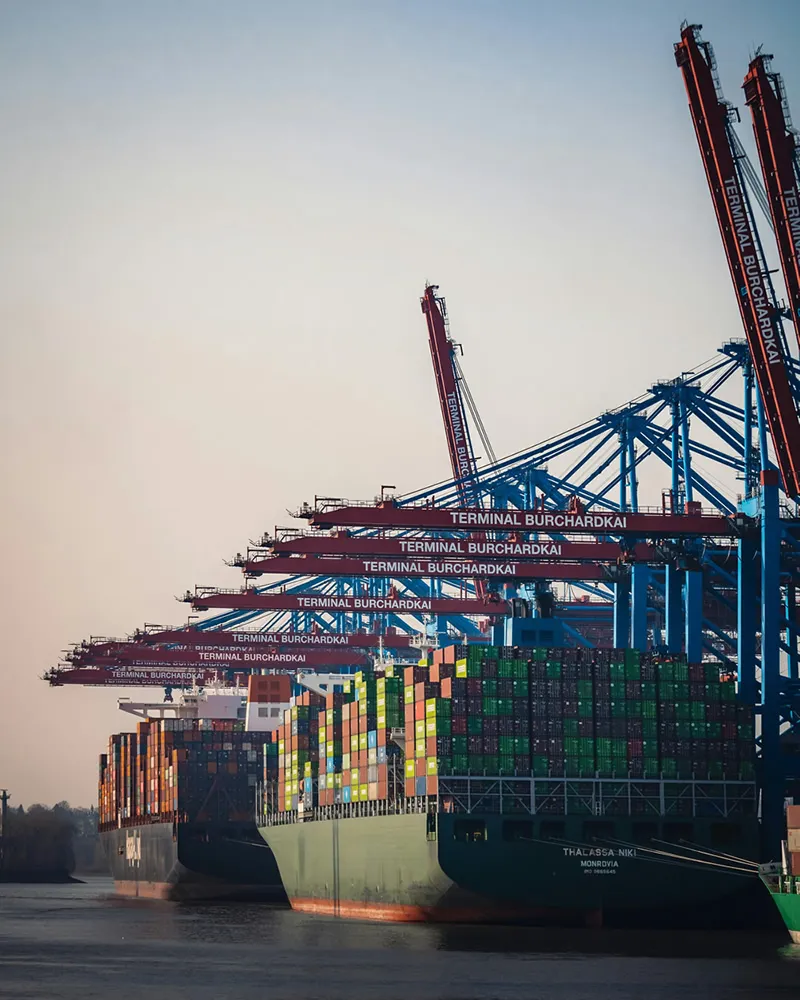
Import customs clearance products are diverse, covering various fields such as food, cosmetics, and electronic products. Taking food as an example, because it directly relates to consumer health, countries often establish strict standards for import, with detailed regulations from ingredients and labeling to production processes. The same applies to cosmetics; in addition to safety requirements, there are many restrictions on efficacy claims and other aspects. Electronic products may face strict scrutiny regarding electromagnetic compatibility and safety standards. Different categories of products have vastly different customs clearance requirements, necessitating importers to have a deep understanding of the regulations and policies related to their products.
Analysis of the Customs Clearance Process
First is the declaration stage. Importers must accurately fill in cargo information, including product name, quantity, value, origin, etc. This step is crucial, as the accuracy of information directly affects subsequent processes. For example, Mr. Liu once imported a batch of clothing, and due to an error in declaring the fabric composition, customs clearance was delayed, and he also faced a certain fine.
Next is inspection. Customs will decide whether to conduct an inspection based on the risk level of different products. Some high-risk products, such as electronic products involving intellectual property rights, have a relatively higher chance of inspection. Inspection methods are diverse, including visual inspection, sampling, and testing. If the product does not match the declaration, it may be ordered to rectify or even be returned.
Paying taxes and fees is also a critical step. Different products have different tax rates, which requires importers to do their homework in advance. For example, Mr. Liu imported a batch of skincare products, and due to unfamiliarity with tariff policies, she underpaid the taxes, eventually having to not only pay the deficit but also incur late payment penalties.
Zhongmaoda: Professional Assistance for Import Customs Clearance
In the complex journey of import customs clearance, Zhongmaoda stands out. Zhongmaoda has a professional team with a thorough understanding of customs clearance policies for various products. Whether it's the complex testing standards for food or the certification requirements for electronic products, they can respond precisely.
Zhongmaoda also provides one-stop service, from initial document preparation to declaration, inspection coordination, and tax calculation and payment, with full-process follow-up. Their rich experience can effectively avoid delays and losses caused by procedural errors, saving importers time and costs.
How to Plan for Import Customs Clearance Products Effectively
Before importing, importers should thoroughly research the market to understand the demand for target products and the difficulty of customs clearance. At the same time, it is important to maintain close communication with suppliers to ensure the quality of goods and the completeness of documents. Choosing a professional customs clearance service agency like Zhongmaoda can also significantly improve customs clearance efficiency.
Although the process for import customs clearance products is complex, by mastering the rules and choosing professional partners, one can smoothly introduce desired products into the domestic market and gain a head start in business competition. Let us act proactively and explore the infinite possibilities of import customs clearance products.

Recent Comments (0) 0
Leave a Reply