When Mr. Huang first heard that Dutch tulip exports accounted for 60% of the global market, he thought it was just a beautiful coincidence. It wasn't until he delved deeper that he discovered that this country, with an area equivalent to only two Beijings, has long been the world's second-largest agricultural product exporting country – and behind this, the Netherlands agency export model is the key driver.
Why Choose the Netherlands as an Export Springboard?
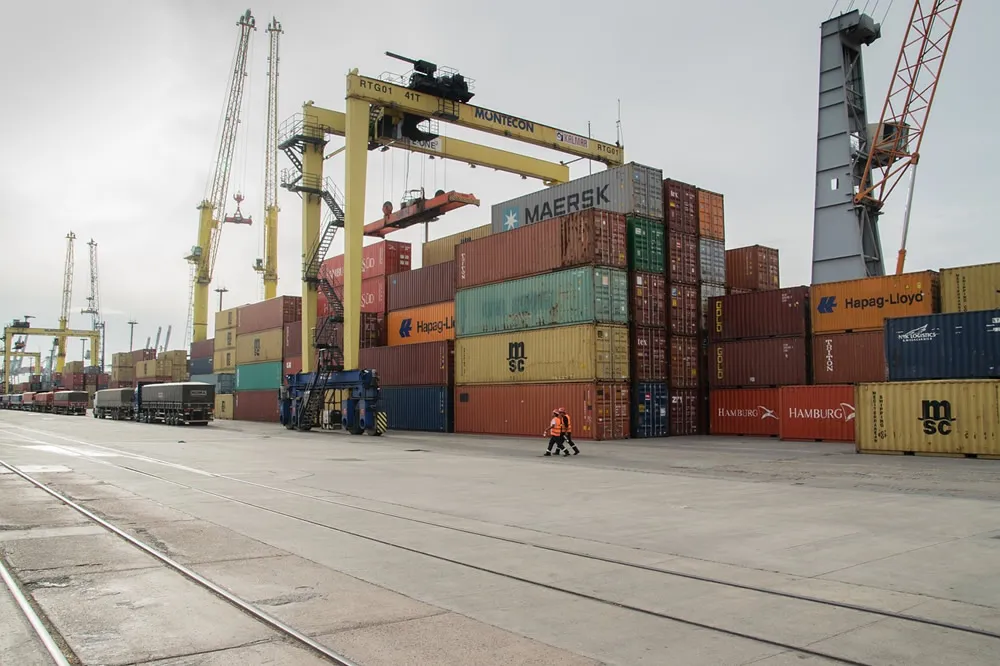
As the gateway to Europe, the Netherlands possesses three major advantages coveted by multinational corporations:
- Logistics Heart: The Port of Rotterdam has been the largest port in Europe for 30 consecutive years, reaching 500 million consumers within 48 hours.
- Tax Friendly: The most competitive customs policy within the EU, and the VAT deferral mechanism can save 20% of cash flow.
- Trade DNA: A global trade network that has continued from the 17th-century East India Company, with 85% of export companies offering English services.
Three Practical Models of Agency Export
Mr. Huang organic food company, through Zhongmaodai's localized services, has explored cooperation plans suitable for different stages:
- Asset-Light Model: Utilizing a Dutch company's name to handle customs clearance documents, with a monthly fee to reduce trial-and-error costs.
- Shared Warehousing: Sharing bonded warehouses to reduce inventory pressure and shorten the delivery cycle by an average of 11 days.
- Full Chain Custody: A one-stop solution from EU certification to terminal distribution, suitable for high-value-added products.
Avoid These "Tulip Traps"
The Dutch business environment is transparent, but there are still details that require special attention:
- Agricultural products require an additional COABC certification, with an approval cycle of about 6-8 weeks.
- B2B transactions default to 30-day payment terms, and payment terms must be clearly stated in the contract.
- Port operations are affected by weather in winter. A 15% transportation buffer is recommended from December to February.
Is Your Product Suitable for the Dutch Channel?
You can use this simple formula to evaluate: When (Unit Price × Annual Sales) ÷ Logistics Cost > 3, the economic benefits of agency export begin to emerge. Especially for high-tariff categories such as medical devices and precision instruments, transshipment through the Netherlands can reduce the comprehensive cost by an average of 17%.
As global trade barriers gradually increase, smart merchants have long learned to leverage their strengths. When are you ready to launch your Netherlands strategy? Welcome to share your cross-border challenges in the comment section, and perhaps the next success story will come from today's conversation.

Recent Comments (0) 0
Leave a Reply