On the grand stage of global trade, re-export trade has always occupied a unique and important position. Shanghai, as a forefront of China's economy and trade, has seen its electric iron re-export trade attract particular attention. Today, let us delve deeply into the fascinating world of Shanghai's electric iron re-export trade.
Current Situation of Shanghai Electric Iron Re-export Trade
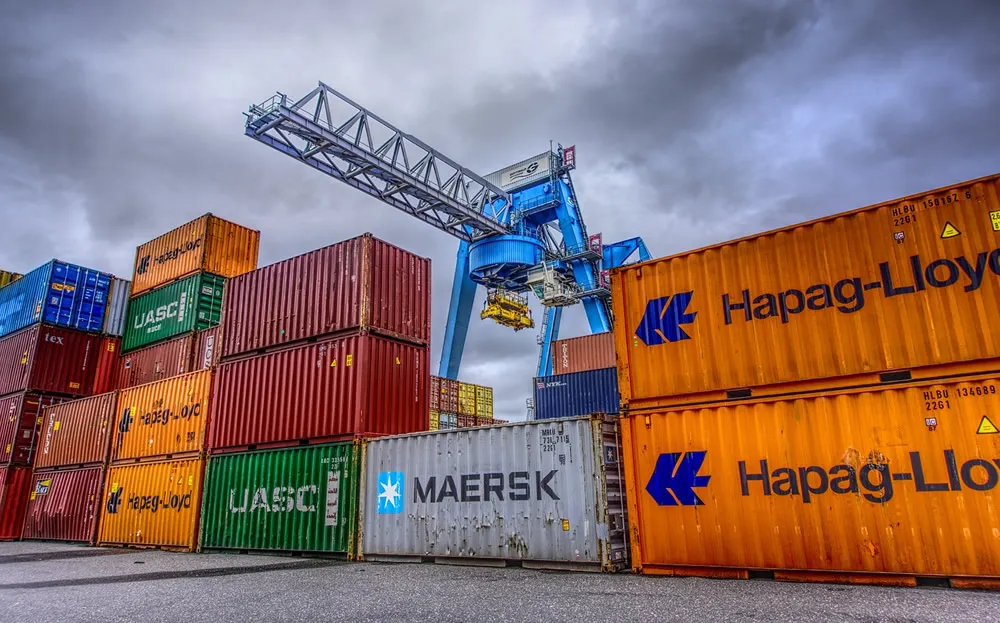
Shanghai, with its superior geographical location, developed port facilities, and mature financial and logistics systems, has become an ideal place for the re-export trade of electric irons. In recent years, the scale of Shanghai's electric iron re-export trade has been continuously expanding, with electric iron products from different countries and regions converging, transiting here, and then flowing to markets worldwide. Many trade professionals like Mr. Feng, through Shanghai's trade platform, have sold high-quality electric irons to markets in Europe, America, Southeast Asia, and other regions.
From a data perspective, the throughput of Shanghai Port has increased year after year, with the volume of cargo transportation related to electric irons also steadily rising. Various trading companies, such as Zhongmao Da, play a crucial role in the re-export trade of electric irons with their professional teams and rich experience. They can accurately grasp market dynamics, optimize logistics routes, and provide efficient re-export trade solutions for their clients.
Distinct Advantages
Shanghai possesses numerous significant advantages in developing the re-export trade of electric irons. Firstly, the **geographical advantage** is prominent. Shanghai Port is one of the world's major shipping hubs, with a dense network of routes that can conveniently connect ports on all continents, greatly reducing transportation time and costs. Secondly, the **policy support** is substantial. A series of policy initiatives, such as those in the Shanghai Pilot Free Trade Zone, provide a more relaxed and convenient business environment for re-export trade. For example, tax incentives and simplified customs clearance procedures have greatly promoted the development of electric iron re-export trade. Thirdly, the **industrial support is complete**. Numerous electric iron manufacturing enterprises are located in the surrounding areas, possessing a strong industrial cluster effect that can provide a stable and abundant source of goods for re-export trade.
Challenges Faced
However, the re-export trade of electric irons in Shanghai is not without its challenges. **Trade barriers** are a major obstacle. Trade policies and technical standards vary greatly among different countries and regions. For instance, some environmental directives in the European Union and safety standards in the United States require trading companies to constantly monitor and adapt to these changes, otherwise they may face risks such as cargo detention or return. **Market competition** is also increasingly fierce. With the advancement of global economic integration, more and more regions are joining the competition in the electric iron re-export trade. Shanghai needs to continuously enhance its competitiveness to stand out in this "trade war." **Fluctuations in logistics costs** are also noteworthy. The rise and fall of fuel prices and changes in the supply and demand of the transportation market can affect logistics costs, thereby impacting the profit margins of re-export trade.
Future Outlook
In the face of opportunities and challenges, Shanghai's electric iron re-export trade needs to actively adapt. Trading companies should strengthen market research, thoroughly understand global market demands and trends, and continuously optimize their product structures. At the same time, they should deepen cooperation with manufacturing enterprises, jointly improve product quality and technical content to meet higher international standards. In terms of logistics, they should utilize technologies such as big data and artificial intelligence to optimize logistics and distribution solutions, reduce costs, and improve efficiency.
It is believed that with the joint efforts of all parties, Shanghai's electric iron re-export trade will usher in an even brighter future. The vast number of trade professionals should also seize opportunities, actively respond to challenges, and write their own brilliant chapters on this fertile ground of trade in Shanghai.

Recent Comments (0) 0
Leave a Reply