Have you ever wondered how a company founded just 5 years ago managed to sell its products to over 30 countries worldwide? In today's increasingly fierce global competition, export agent services are becoming the invisible force propelling SMEs to "go global." This article will lift the veil on the export agent industry in the new century, explore how it is reshaping the landscape of international trade, and share a real case study – Mr. Ren small to medium-sized furniture factory, which achieved a magnificent transformation from a domestic enterprise to an international supplier through professional agent services.
Main Body
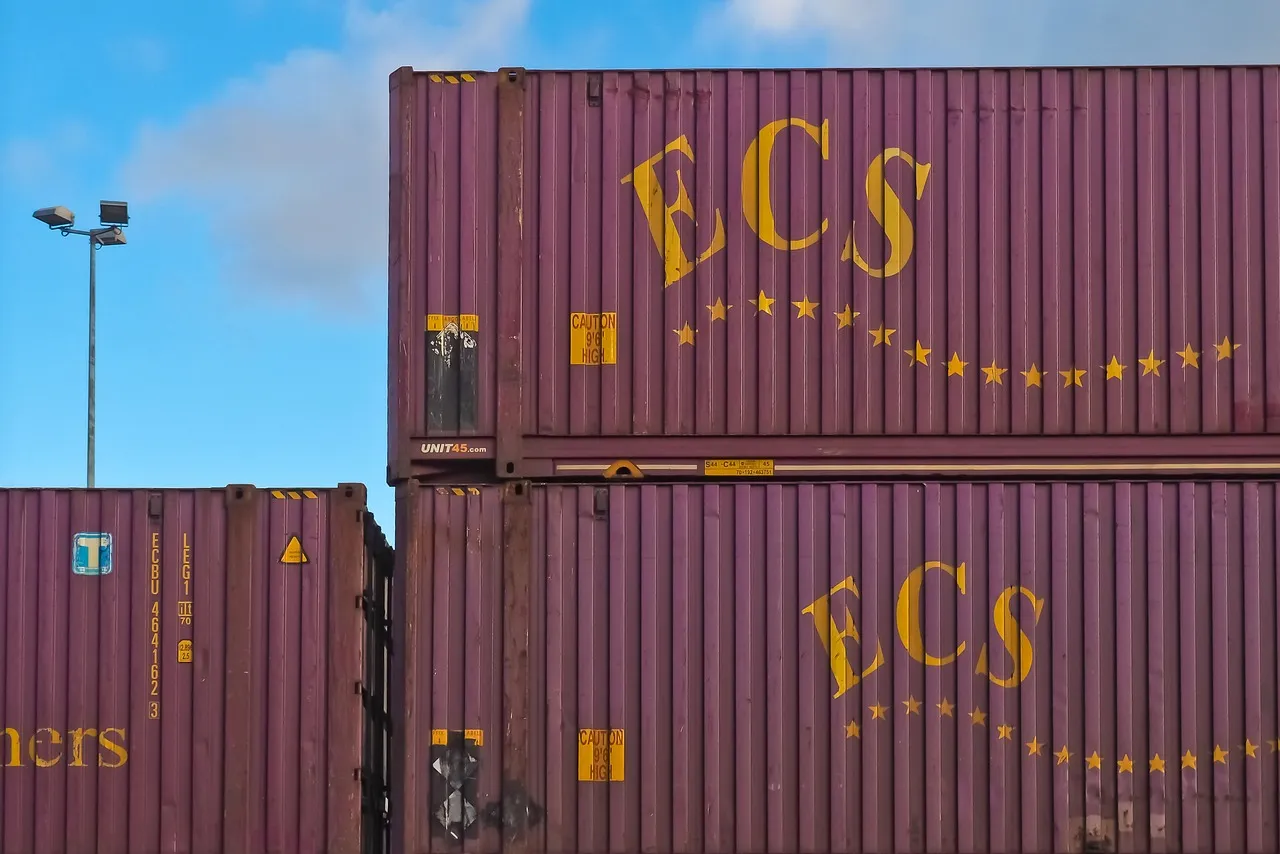
1. Why Are Export Agents Becoming the New Darling?
In the traditional foreign trade model, companies need to build their own overseas teams and handle complex processes like customs declaration and logistics, which is costly and concentrates risks. Modern export agent services, on the other hand, achieve this through:
- Resource Integration: Consolidating orders from multiple companies to reduce logistics costs
- Risk Sharing: Professional teams handle challenges such as foreign exchange settlement and legal compliance
- Localized Services: Providing cultural adaptation solutions for target markets
Taking Zhongmao Da as an example, its proprietary "Three-Stage Service Model" has helped over 200 enterprises shorten their go-global preparation cycles by 60%.
2. How is Digitalization Restructuring the Industry?
The application of blockchain technology has significantly improved the transparency of agent services. Mr. Ren agricultural products company achieved a breakthrough by reducing transaction dispute rates by 85% through:
- Real-time tracking systems to monitor cargo status
- Smart contracts to automatically execute payment terms
- Big data analysis of target market demand
It is worth noting that technology is just a tool; the core competitiveness still lies in the agent's localized service network.

3. Practical Strategies for SMEs
When selecting agent services, key aspects to consider include:
- Whether the target market has self-built warehouses
- Past operational experience with similar products
- Crisis handling cases (e.g., the Suez Canal incident in 2021)
Mr. Ren shared: "Instead of agonizing over a 2% difference in agent fees, it's better to focus on whether they can handle unexpected situations during customs clearance."
Conclusion
When "globalization" becomes a mandatory question for every enterprise, professional export agents may be the most cost-effective solution. Does your product also have the potential to "bloom within the walls and be fragrant outside"? Welcome to share your thoughts on the agent model in the comment section, or send a private message to get the complete checklist for SMEs going global. Next issue, we will reveal: 5 dangerous signs to identify fake international agents.

Recent Comments (0) 0
Leave a Reply