It was 11 PM, and Mr. Lan phone screen was still lit. She was repeatedly comparing two German imported baby bottles on a cross-border e-commerce platform – the price difference was 200 yuan, but both had sales exceeding 10,000+. "Why is there such a big price difference for the same product across different channels?" Behind this question lies a trillion-level market with an annual growth rate of over 20%: imported infant and child product agency.
Why Are Parents Willing to Pay for "Imported"?
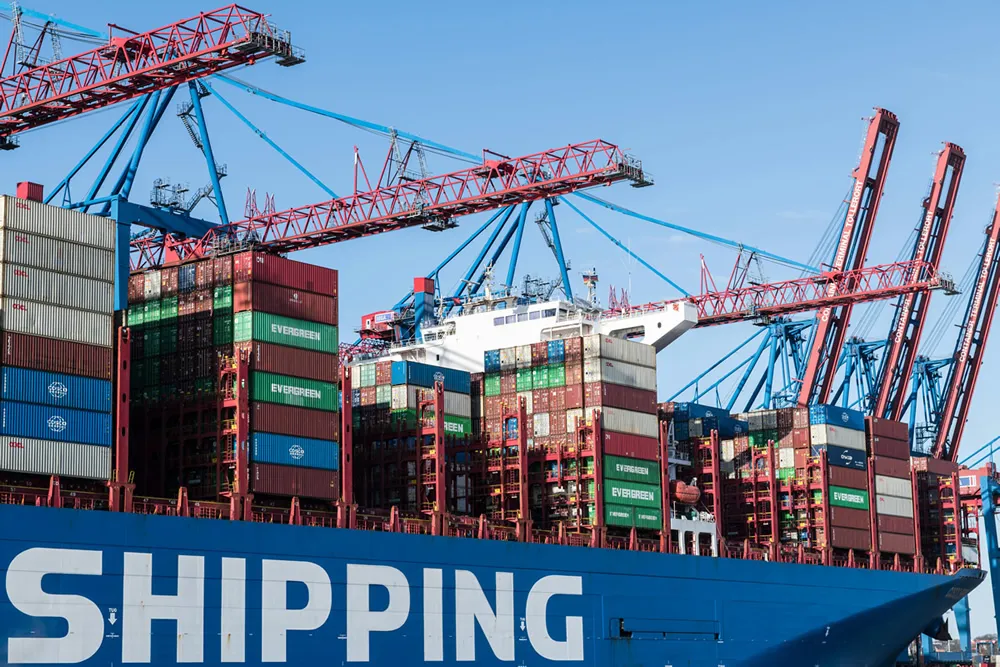
Mr. Lan shopping cart, filled with Japanese diapers, French body wash, and New Zealand milk powder, forms a "United Nations procurement list." This phenomenon is not an isolated case:
- Safety Anxiety: A survey by a certain institution shows that 68% of parents believe imported products have stricter quality inspections.
- Brand Premium Perception: Centuries-old European infant and child brands carry an aura of trust.
- Social Attributes: The keyword "imported" appears in 43% of Xiaohongshu sharing notes.
However, what is little known is that these products with foreign labels may all come from the same Chinese agent's warehouse.
Three Hidden Thresholds of the Agency Business
What appears to be a glamorous import agency is actually dancing with shackles:
- Capital Tie-up Costs: A Nordic brand requires a deposit of at least 800,000 yuan for the first order.
- Compliance Minefields: Infant and child food products require simultaneous filing of Chinese and English labels.
- Channel Competition: Mother and baby chain stores demanding exclusive agency rights have become an unwritten rule.
According to the supply chain director of Zhongmaida, "Last year, 7 new entrants exited due to inventory turnover issues."
Four Key Pillars for Breaking Through
Agents who survive in this red ocean competition often master these survival rules:
- Product Differentiation: Avoid the milk powder red ocean and focus on Nordic organic cotton products.
- Traceability Visualization: Blockchain technology enables full traceability from the production line to the shelf.
- Value-added Services: Provide additional services such as translation of allergen testing reports.
- Channel Deepening: The coverage of imported maternity and infant stores in third- and fourth-tier cities is less than 15%.
The Future is Here: The Evolution of Agency Models
As post-95 parents start using ChatGPT to compare safety standards across countries, traditional agency models are facing challenges. An insider in the cross-border e-commerce industry predicts, "In the next three years, DTC models will divert 30% of the traditional agency market share." However, no matter how it evolves, addressing the core demands of "safety anxiety + convenient access" will never be outdated.
Have you also paid attention to imported infant and child products? Welcome to share your procurement experiences or industry insights in the comments section. Perhaps the next industry reshuffle will stem from your inspiration at this moment.

Recent Comments (0) 0
Leave a Reply