Amidst the current wave of economic globalization, cross-border trade has become a vital link for economic exchange and development among nations. Sino-Indian re-export trade, as a distinctive part of this, is gradually entering public view and attracting significant attention. Today, let's delve into the matters of Sino-Indian re-export trade together.
I. Current Status of Sino-Indian Re-export Trade Development
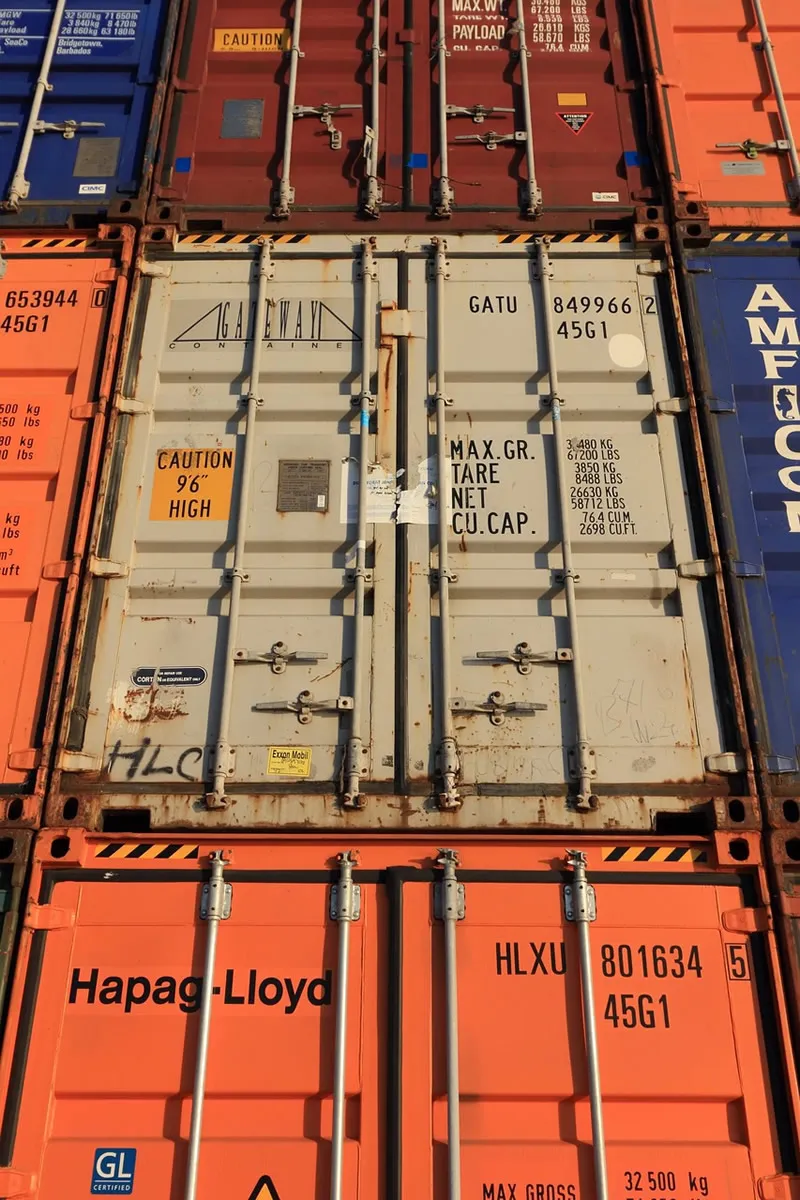
In recent years, re-export trade between China and India has shown a trend of increasing scale. Due to the vast market demands and respective industrial advantages of both China and India, many goods can circulate more smoothly between the two countries through re-export trade.For instance, some distinctive Indian handicrafts and spices can enter the Chinese market through re-export channels, satisfying some consumers' demand for exotic specialty goods; similarly, some Chinese light industrial products and electronic equipment also find extensive sales opportunities in the Indian market through re-export trade.
- From the perspective of trade volume, although there are fluctuations, the overall trend is upward, reflecting its considerable development potential.
- In terms of types of trade goods, they have also become increasingly rich and diverse, no longer limited to a few traditional items.
II. Reasons for the Rise of Sino-Indian Re-export Trade
The rise and development of Sino-Indian re-export trade are underpinned by multiple factors. Firstly, geographical factors are not to be overlooked. China and India are neighboring countries; despite some geographical barriers, they still hold certain advantages in terms of transport costs compared to other long-distance trade partners.For example, transshipping goods through some relatively convenient ports in the vicinity can, to some extent, reduce transportation time and costs.
Secondly, industrial complementarity is also an important reason. China possesses strong capabilities in manufacturing, producing a large quantity of high-quality and relatively reasonably priced industrial goods; while India has unique advantages in specialty agriculture and some handicrafts. The industrial differences between the two sides ensure that each other's goods can find demand points in the other's market, thereby promoting the development of re-export trade.
III. Challenges Faced by Sino-Indian Re-export Trade
However, the development of Sino-Indian re-export trade has not been without its difficulties, facing numerous challenges. Among them, differences in trade policies and regulations pose a major challenge.Varying tariff policies, import/export control regulations, and other factors require traders to expend significant effort to understand and comply during operations, and even a slight oversight could lead to compliance risks.
Logistics also presents problems. Despite some geographical advantages, inadequate infrastructure development can lead to delays, damage, and other issues during cargo transportation, affecting the smooth progress of trade. Furthermore, cultural differences can also, to some extent, impact trade communication and cooperation, increasing transaction costs.
IV. Future Outlook for Sino-Indian Re-export Trade
Despite the challenges, the future of Sino-Indian re-export trade remains promising. With the continuous economic development of both countries, market demand is expected to expand further, which will provide broader scope for re-export trade. At the same time, both sides are continuously strengthening communication and cooperation in the economic and trade sectors, with prospects for progress in trade policy coordination and infrastructure connectivity, thereby improving the trade environment.
For enterprises engaged in Sino-Indian re-export trade, such as Zhongmaoda and others, they need to continuously enhance their professional capabilities, gain a deep understanding of the markets and trade rules of both countries, and optimize logistics and other operational aspects to better respond to challenges and seize opportunities.
Sino-Indian re-export trade is a cross-border trade path fraught with both opportunities and challenges. In the future, where it will lead remains a matter for our continuous attention and in-depth discussion. We hope that more industry professionals will actively participate in discussions on related topics, collectively offering advice for the healthy development of Sino-Indian re-export trade, making this trade route smoother and more prosperous.

Recent Comments (0) 0
Leave a Reply