When people talk about China's foreign trade hubs, Shanghai, Beijing, Guangzhou, and Shenzhen are always the first to be mentioned. But you might not know that Yichun, a seemingly low-key city in Jiangxi, is quietly rewriting the regional economic landscape through re-export trade. According to 2023 Yichun Customs data, local re-export trade volume increased by 37% year-on-year, making it a key node connecting inland and overseas markets. Today, we will unveil the operational secrets of this "invisible golden channel."
Why Did Re-export Trade Choose Yichun?
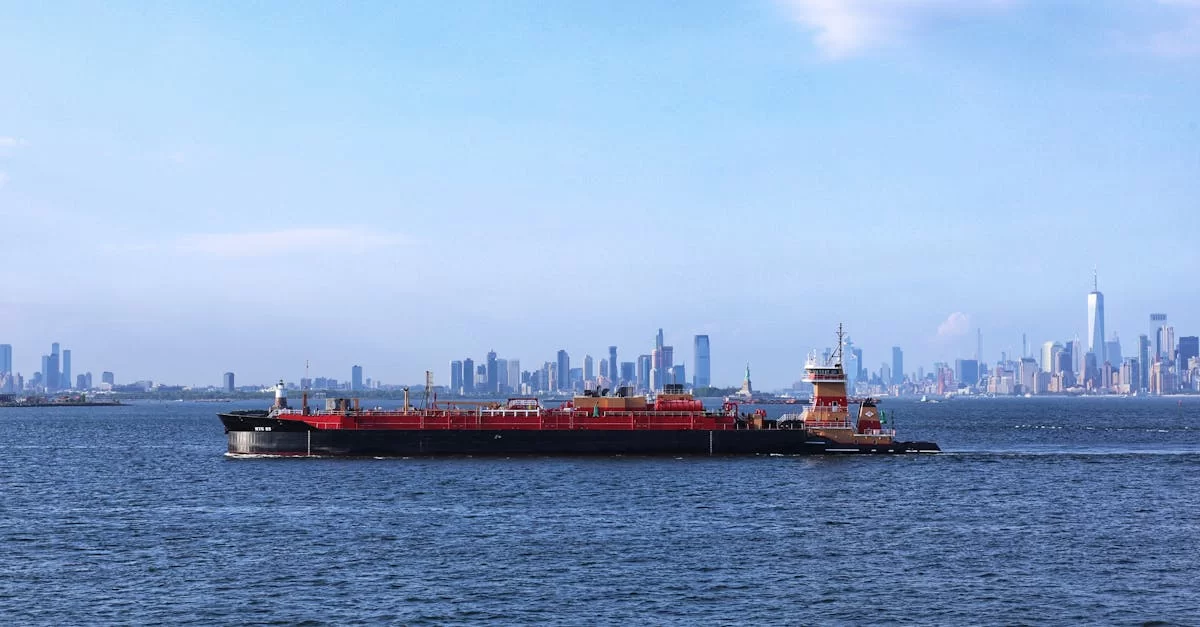
In Mr. Zeng import and export company's warehouse, rubber from Southeast Asia and precision instruments from Europe are having a "transit rendezvous." This "two ends outside" model is precisely the core characteristic of Yichun's re-export trade. Geographical advantages are the primary factor:
- 3-hour Traffic Circle: Covers ports in three provincial capitals: Changsha, Nanchang, and Wuhan
- Ganxi International Land Port: A fixed stop for China-Europe freight trains, saving 20% on logistics time
- Cost Haven Effect: Warehousing costs are only 60% of coastal cities
Mr. Zeng logistics team has calculated: goods transited through Yichun to Africa save 15% in comprehensive costs compared to direct export. This is precisely the new opportunity brought by the restructuring of global supply chains.
Three Pillars Support the Trade Ecosystem
Walking into the Yichun Comprehensive Bonded Zone, one will find that the prosperity of re-export trade is not accidental. The local area has built a unique support system:
- Intelligent Customs Clearance System: Achieves "one declaration, all-zone clearance," with average clearance time reduced to 2 hours
- Multimodal Transport Network: Seamless integration of water, rail, and air, supporting cargo transfer to 6 countries within 72 hours
- Zhongmao Da Supply Chain Services: Provides one-stop solutions from quality inspection to tax refunds
This ecosystem has attracted more and more traders like Mr. Zeng. They no longer pile up their goods at coastal ports but choose Yichun as their regional distribution center.
A "Transit Party" for Niche Commodities
Surprisingly, the star categories in Yichun's re-export trade are not electronics or apparel. Within the customs special supervisory zone, these goods are creating new growth poles:
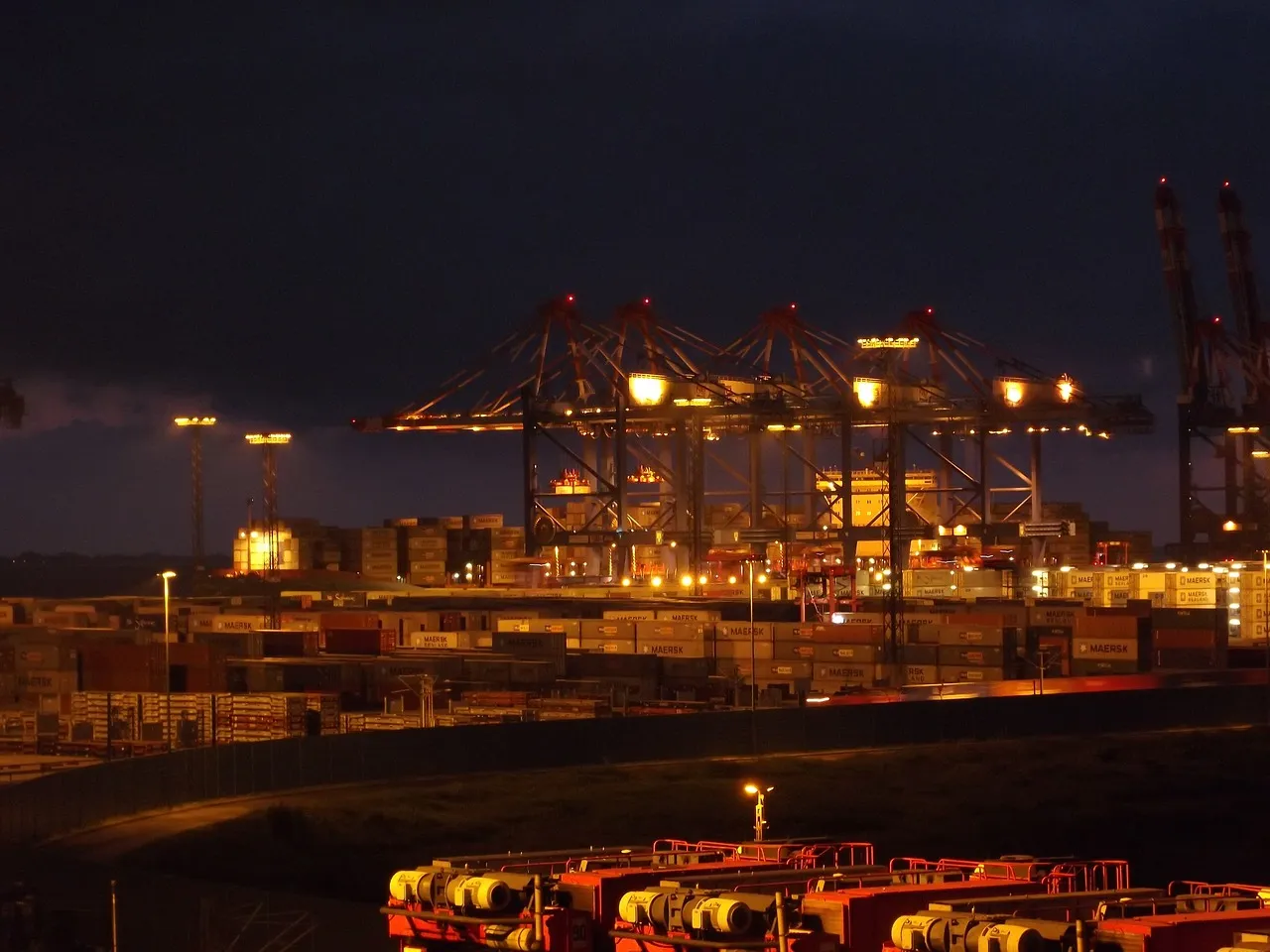
- Rare Metals: Re-export volume of tungsten products accounts for 18% of the national total
- Specialty Ceramics: A designated transit hub for Japanese buyers
- Traditional Chinese Medicinal Materials: A key distribution center for the Southeast Asian market
"Now even South American customers specifically request transit through Yichun," Mr. Zeng shows the latest order. "The perfect cold chain logistics has reduced the spoilage rate of fresh produce transit to below 3%."
Where is the Next Growth Point?
Standing in front of the electronic display screen of the Ganxi Cross-border E-commerce Industrial Park, one can clearly see the digital future of re-export trade:
- Blockchain Traceability: Solves the pain point of authenticity verification for transit goods
- Transit Finance: Letter of credit discounting services shorten capital turnover cycles
- Virtual Warehouse: Optimizes inventory management through digital twin technology
While coastal cities are facing land bottlenecks, Yichun has opened up a new track with its "transit + digital" combination. Perhaps next time you receive an overseas product, the label "Transited through Yichun" on the packaging will tell you: The capillaries of global trade are being reshaped.
Have you considered incorporating the transit link into your supply chain planning? Welcome to share your observations on the development of re-export trade in inland cities in the comments section. If you find this article valuable, feel free to forward it to your foreign trade partners who are looking for cost optimization solutions.

Recent Comments (0) 0
Leave a Reply