When a batch of coffee beans Mr. Shi purchased from Southeast Asia was transited through Singapore port to Europe, these goods never actually entered the Singapore market – this is the magic of re-export trade. And when Mr. Shi electronic products were transported from China to Germany via Russian railways, although they made a brief stop, no taxes were levied, showcasing the sophistication of transit trade. How do these two trade models create value in the global supply chain? This article will unveil their mysteries.
Definitions and Essential Differences
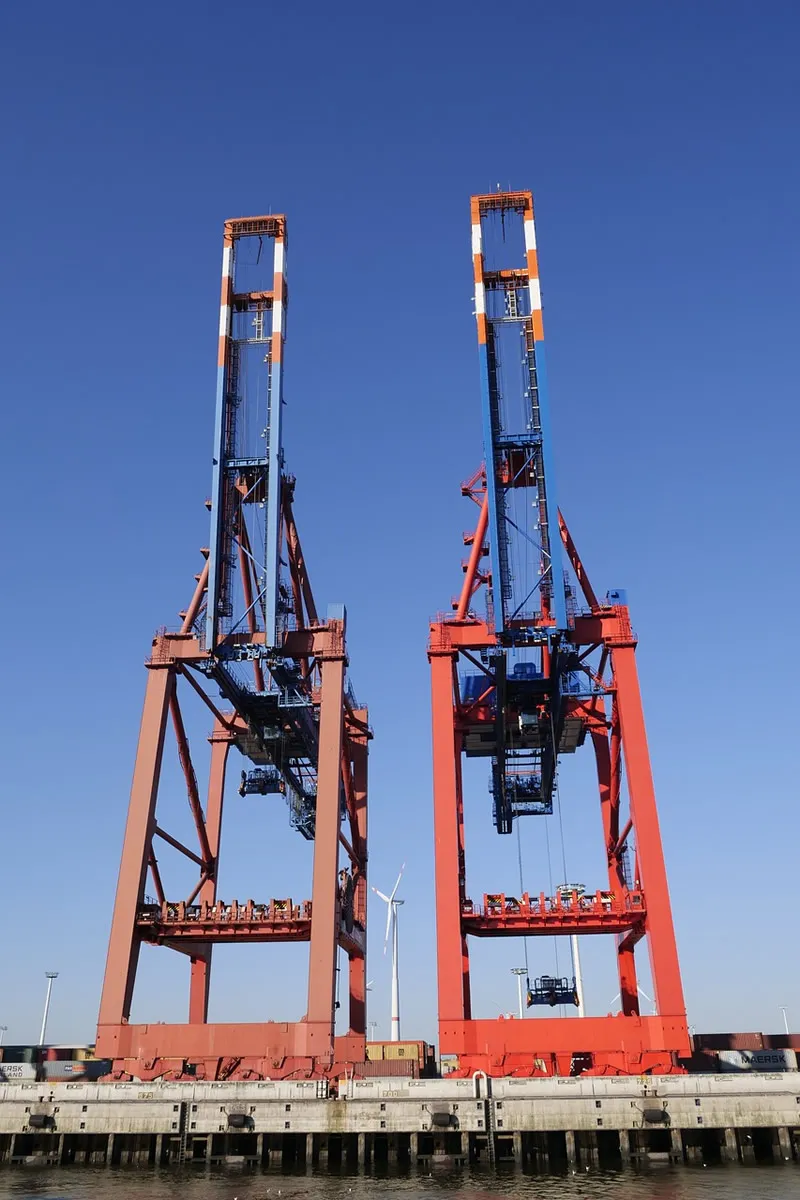
Re-export trade refers to the transaction where goods are transported from the country of production to the country of consumption via a third country (region) without undergoing substantial processing in that third country. A typical characteristic is the transfer of ownership of goods in the re-exporting country, for example, a Dubai merchant purchasing Indian cotton and reselling it to a Turkish textile factory.
In contrast, transit trade places more emphasis on logistics: goods merely pass through the territory of a country for transportation, without involving any buying or selling relationship. For instance, when goods transported by China-Europe freight trains pass through Kazakhstan, Kazakhstan only provides transportation corridor services.
- Core Difference 1: Whether Ownership is Transferred
- Core Difference 2: Whether Local Value-added Services are Provided
- Core Difference 3: Differences in Customs Supervision Intensity
The Dual Logic of Commercial Value
The core advantage of re-export trade lies in leveraging locational and policy dividends. Hong Kong, as a traditional re-export hub, handled 38% of global re-export cargo in 2022. Its success factors include:
- Duty-free customs policies
- A comprehensive financial settlement system
- Multilingual professional service teams
The value of transit trade is reflected in reducing logistics costs. The case of Zhongmao Da Logistics shows that the land transit solution via Russia saves 18% of transportation time compared to pure sea freight and reduces costs by 62% compared to air freight.
Key Points for Risk Prevention and Control
The re-export trade fraud case recently encountered by Mr. Shi is a warning: a batch of rubber labeled "Made in Malaysia" was actually from a sanctioned region. Therefore, special attention must be paid to:
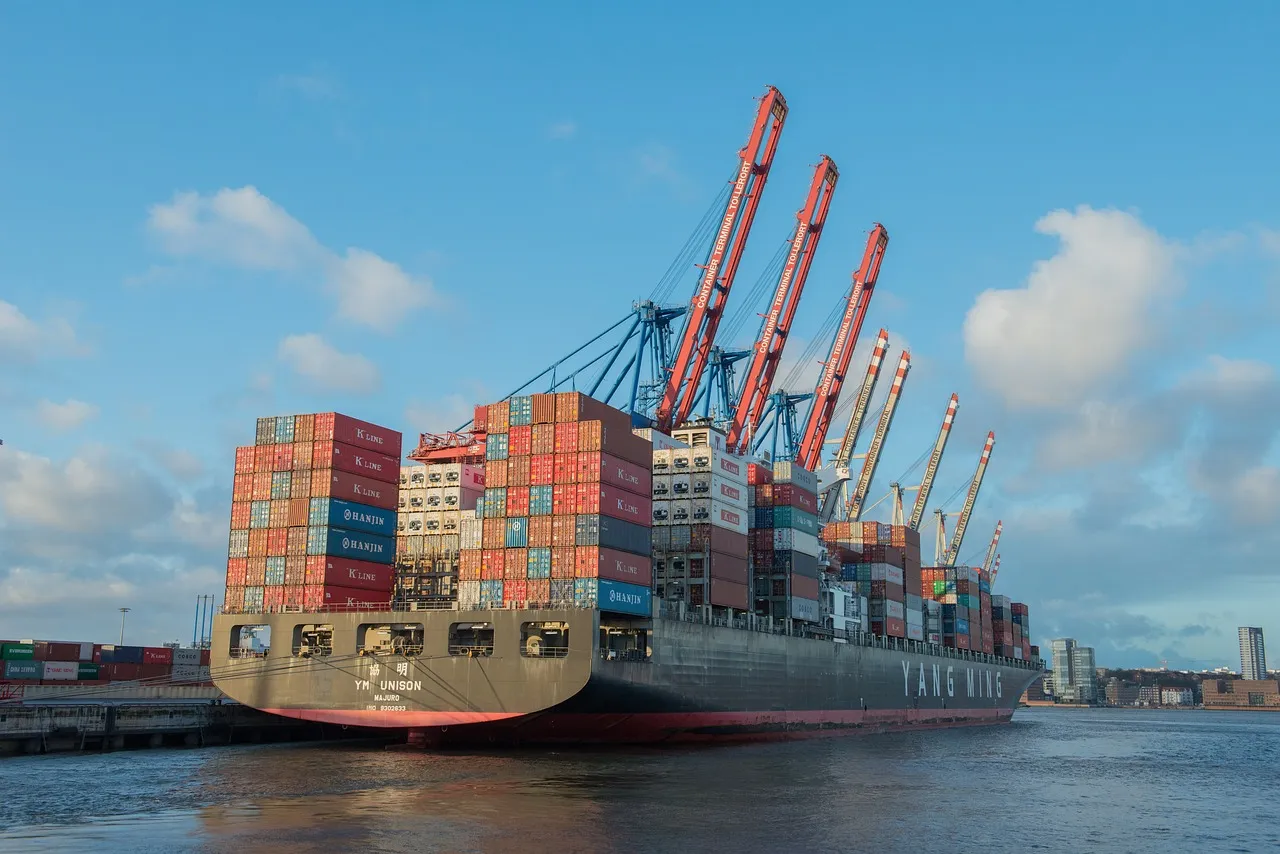
- Triple verification of origin documents
- Legal compliance review of the transit country
- Purchasing trade credit insurance
Transit trade needs to guard against cargo detention risks. Mr. Shi case indicates that choosing a carrier with ATA Carnet qualifications can improve transit customs clearance efficiency by 40%.
New Opportunities in the Digital Age
Blockchain technology is reshaping these two trade models. The "Digital Re-export Certification Platform" launched in Dubai has compressed document processing time from 72 hours to 4 hours. The IoT tracking system applied to the China-Europe freight trains enables real-time temperature/vibration monitoring of transit goods.
Experts suggest that SMEs should focus on:
- Integration with smart customs systems
- Innovation in cross-border payment tools
- Green logistics certification systems
Where Does Your Cargo Flow?
As global trade barriers gradually increase, re-export and transit trade are becoming crucial tools to break through. Have you calculated the hidden re-export opportunities in your current supply chain? You are welcome to share your observations on the trend of "virtual transit hubs." After all, in the world of trade, sometimes the most direct route is ironically the seemingly circuitous one.

Recent Comments (0) 0
Leave a Reply