In today's globalized business wave, trade forms are becoming increasingly diverse, and Shandong rack re-export trade is gradually emerging, attracting much attention. Today, let's delve into this promising Shandong rack re-export trade.
I. Concept and Characteristics of Shandong Rack Re-export Trade
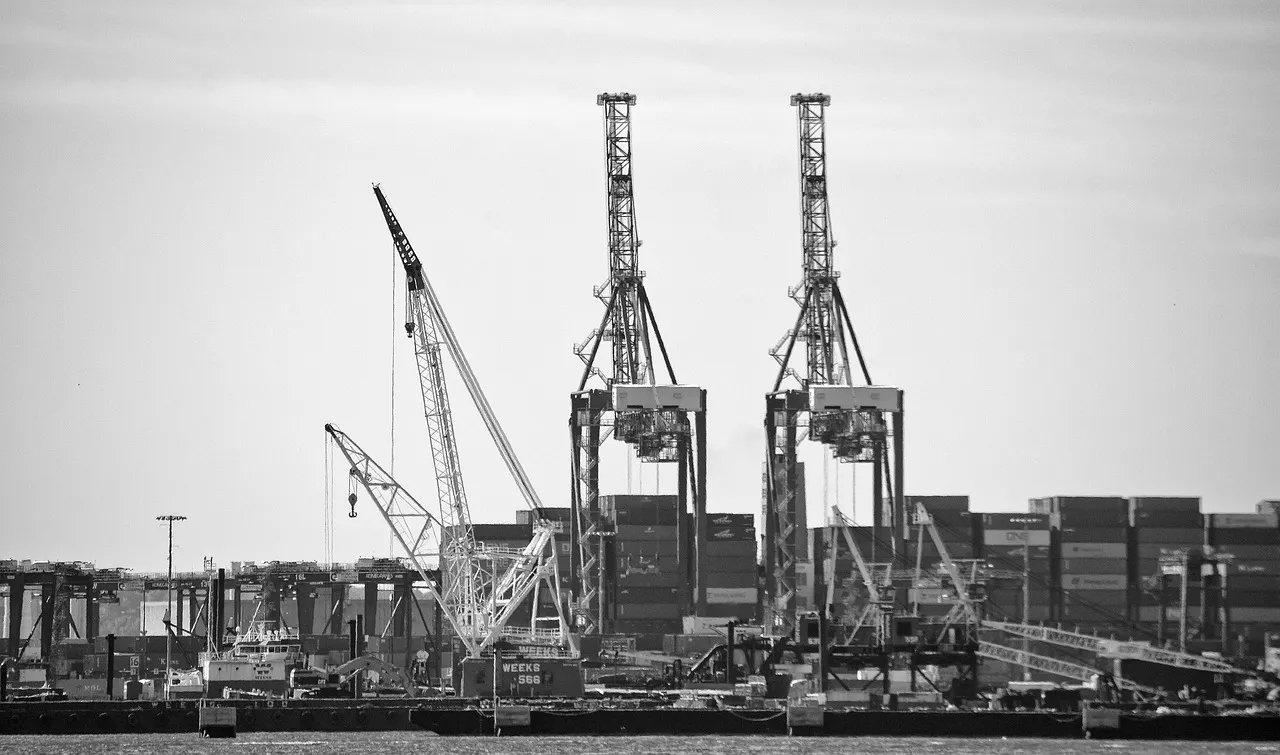
Concept Interpretation: Shandong rack re-export trade, simply put, is when goods are first shipped from a producing country to a transit port in Shandong, where they undergo temporary storage (usually in dedicated rack storage areas for re-export trade), repackaging, relabeling, and other operations in local warehouses, before being transshipped to the destination country. It is not the traditional trade route directly from the producing country to the destination country.
Distinctive Features: Firstly, this trade method can effectively circumvent trade barriers imposed by some destination countries on producing countries, such as high tariffs and quota restrictions. By performing re-export operations in Shandong, the 'identity' of the goods is changed, allowing them to enter the destination country's market more smoothly. Secondly, Shandong boasts a superior geographical location, with complete port facilities and convenient logistics transportation, enabling efficient completion of goods transit processes. Furthermore, engaging in re-export trade in Shandong also allows leveraging the relatively complete local industrial chain support, such as packaging and label printing industries, providing strong support for re-export trade.
II. Operational Procedures of Shandong Rack Re-export Trade
Generally speaking, the entire operational process is interconnected. Firstly, traders like Mr. Fei need to finalize purchase details with suppliers in the producing country, ensuring goods are shipped to the transit port in Shandong on time, with specified quality, and in designated quantity. Upon arrival, goods will be placed on dedicated racks for storage management.
- Next, based on the market demand and relevant regulations of the destination country, goods may undergo repackaging, for example, changing packaging materials or designing an appearance more appealing to consumers in the destination country.
- At the same time, relabeling is also a common operation, where the original labels from the producing country are replaced with new labels that meet the destination country's requirements or are more market-attractive.
- After these preparatory steps are completed, arrangements will be made to re-load the goods onto vessels and ship them to the destination country, thus completing the entire re-export trade process.
III. Development Prospects of Shandong Rack Re-export Trade
As the global economic landscape continues to evolve, and trade protectionism rises in certain regions, more and more enterprises are seeking new ways to overcome trade barriers. Shandong rack re-export trade, with its unique advantages, undoubtedly has broad development prospects. On one hand, Shandong, as an an important economic powerhouse and trade hub in China, is continuously increasing its influence in the trade sector, capable of attracting more domestic and international traders to participate in re-export trade. On the other hand, continuously improving logistics, warehousing, and other infrastructure, along with increasingly mature related supporting industries, all provide a solid guarantee for the sustained development of Shandong rack re-export trade.
IV. Precautions for Participating in Shandong Rack Re-export Trade
Although Shandong rack re-export trade offers numerous advantages, practitioners like Mr. Fei also need to pay attention to some key issues. Firstly, it is essential to thoroughly understand the trade policies and regulations of the destination country, ensuring that every step of the re-export trade complies with requirements, to avoid situations such as goods being detained or even confiscated due to non-compliance. Secondly, when selecting transit warehouses and rack storage service providers, their professionalism and credibility should be assessed, to ensure the safety and proper management of goods during transit. Furthermore, emphasizing communication and collaboration with upstream and downstream enterprises, from suppliers in the producing country to customers in the destination country, and maintaining smooth information flow are crucial to ensure the successful execution of the entire re-export trade process.
In conclusion, Shandong rack re-export trade, as an emerging trade method, holds immense business opportunities. For traders, thoroughly understanding and rationally utilizing this trade method might pave a new path to success in the fierce global trade competition. Everyone is encouraged to pay more attention and conduct in-depth research, as you might seize this rare development opportunity. Now, we await your discussion and participation!

Recent Comments (0) 0
Leave a Reply