On the vast stage of international trade, re-export trade is like a mysterious dancer, seemingly familiar yet unfathomable. Have you ever wondered why some goods are transshipped through a third country before reaching their final destination? Today, let us delve together into the mysteries of re-export trade.
What is Re-export Trade
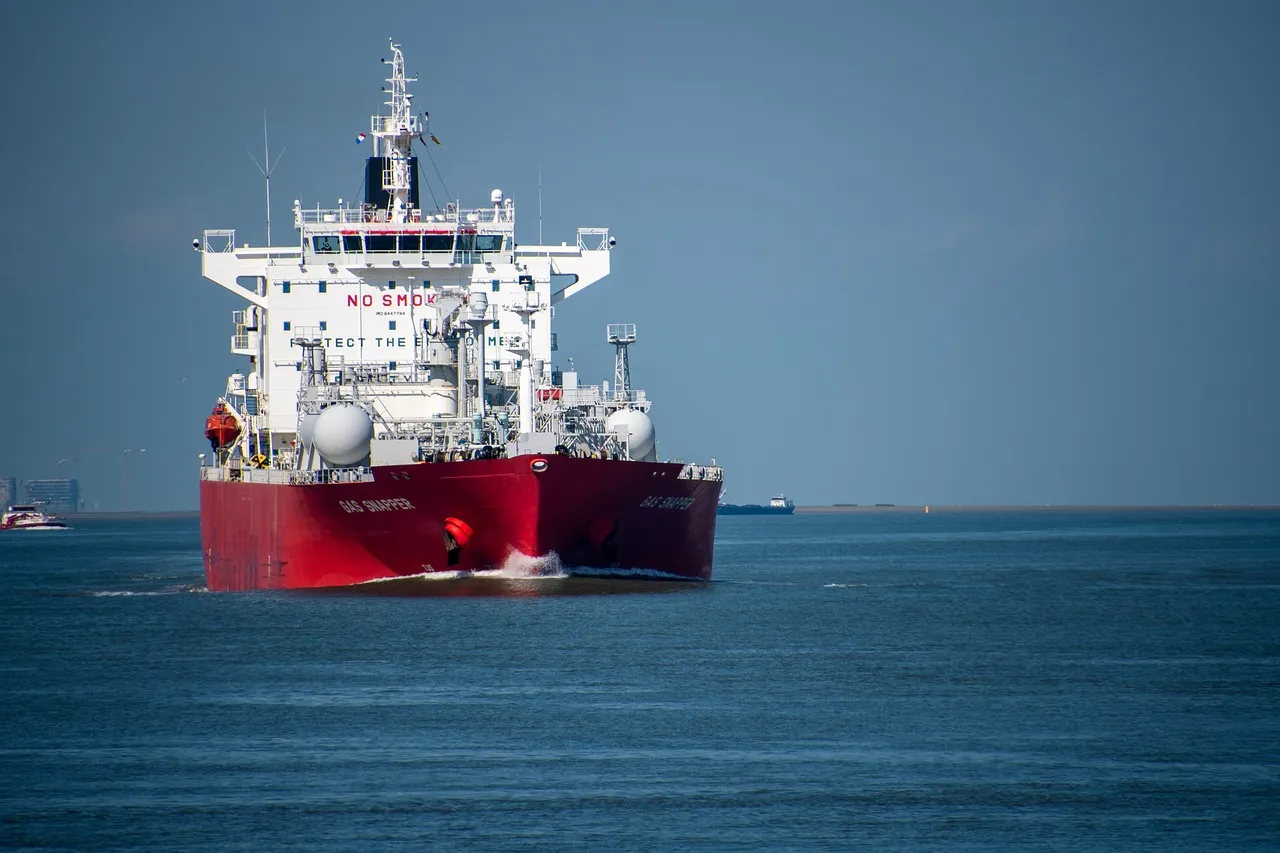
Re-export trade, in simple terms, refers to trade where goods are not directly bought and sold between the country of production and the country of consumption, but are transshipped through a third country. In this process, goods are transported from the country of production to a third country, and then resold from the third country to the country of consumption. The third country acts as an intermediary, not performing any substantial processing or alteration of the goods, but merely serving the purpose of transit and sales. For example, Mr. Fei company produces a unique handicraft, originally intended for export to a certain European country. However, for some reason, this batch of handicrafts was first shipped to Singapore, and then transshipped from Singapore to Europe. This mode of trade is re-export trade.
Reasons for the Formation of Re-export Trade
The existence of re-export trade has multiple reasons. On one hand, trade barriers are a significant factor. Some countries, in order to protect their domestic industries, set up high tariffs, quotas, and other trade restrictive measures. For instance, Mr. Fei company exports products to a certain country where tariffs are extremely high. Thus, by using re-export trade and leveraging the lower tariff policies of a third country, they bypass trade barriers and reduce costs. On the other hand, geographical location and logistical advantages also contribute to the development of re-export trade. Certain regions, such as Hong Kong, are located at key transportation hubs, possess advanced port facilities and convenient logistics networks, making them popular choices for re-export trade. Furthermore, advantages in information and resources cannot be overlooked. A third country may have unique advantages in trade information, sales channels, etc., which can better facilitate transactions.
Operational Process of Re-export Trade
- Firstly, preparation before the transaction. After the buyer and seller reach a preliminary agreement, they search for a suitable re-export country and re-exporter. This requires an in-depth understanding of the re-export country's policies and market environment.
- Secondly, signing contracts. The country of production signs an export contract with the re-exporter, and the re-exporter then signs an import contract with the country of consumption, clarifying the rights and obligations of all parties.
- Then, cargo transportation and customs clearance. The goods are first transported to the re-export country, undergo customs clearance and other procedures there, and are then transshipped to the country of consumption.
- Finally, the settlement phase. This involves the settlement of payments among multiple parties, ensuring the safety and smoothness of fund flow.
Risks and Countermeasures of Re-export Trade
Re-export trade is not always smooth sailing and involves numerous risks. First is policy risk; once policies in the re-export country change, such as tariff adjustments or strengthened trade controls, it can affect the trade process. Second is logistical risk; goods may encounter transportation delays, damage, or other situations during transit. Third is credit risk; with multi-party transactions, any party's credit deficiency can lead to disputes. To cope with these risks, enterprises must closely monitor policy dynamics, choose reliable logistics partners, and strengthen credit evaluations of all trading parties.
Conclusion and Reflection
Re-export trade, as an important form of international trade, possesses unique value and significance in the complex and ever-changing international economic environment. Whether it is for enterprises to overcome trade barriers or to leverage the advantages of global resource allocation, re-export trade offers a possibility. We hope that through today's understanding, you will gain a deeper appreciation of re-export trade. We also welcome you to share your insights and experiences on re-export trade in the comment section, so that we can jointly explore this interesting field of trade.

Recent Comments (0) 0
Leave a Reply