When Mr. Ling first heard about "India re-export trade," he thought it was just another ordinary international trade term. It wasn't until his colleague Mr. Ling successfully circumvented high customs duties through this hidden channel and delivered goods to European clients that he realized – this might be the "grey shortcut" most worth paying attention to in the current international trade environment.
Why Has India Become a Hotspot for Re-export Trade?
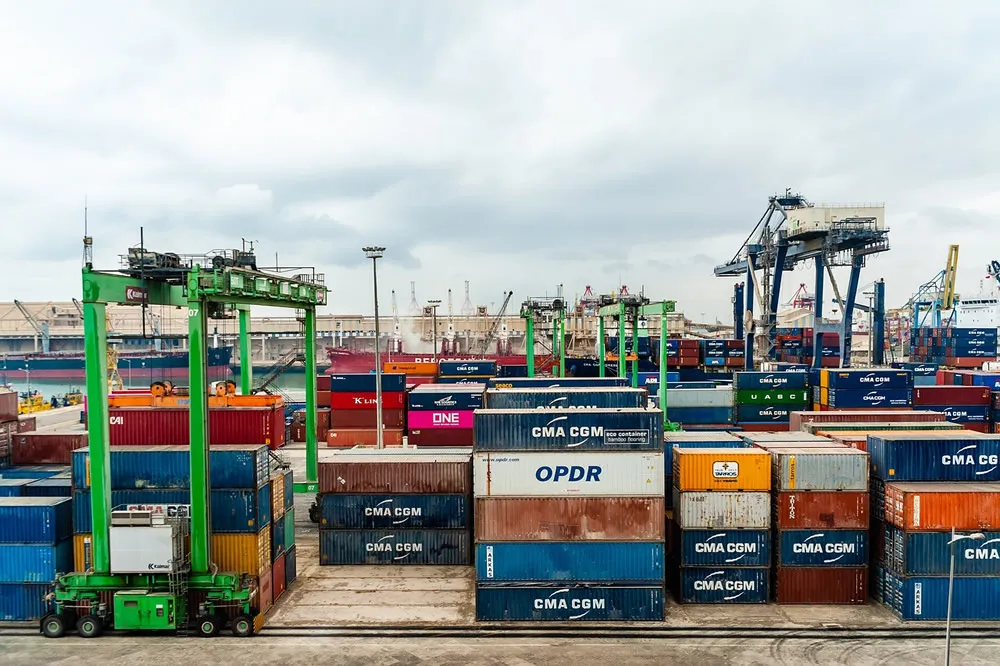
In recent years, India's re-export trade volume has experienced explosive growth. According to data from the Zhongmao Da Research Institute, the total value of goods re-exported through India in 2022 increased by nearly 300% compared to 2018. This is driven by three key factors:
- Tariff Advantages: India has signed preferential trade agreements with many regions including the EU and ASEAN.
- Lax Regulation: Compared to other regions, India's certificate of origin process is more flexible.
- Logistics Infrastructure: The handling capacity of ports like Mumbai and Chennai has significantly improved in recent years.
Typical Operational Model of Re-export Trade
Taking the common China-India-Europe route as an example:
- Chinese suppliers ship goods to an Indian bonded warehouse.
- An Indian trading company performs simple processing or repackaging.
- After obtaining an Indian certificate of origin, they export to the target market.
Five Major Risks That Cannot Be Ignored
Behind Mr. Ling success story lie the expensive lessons learned by countless failures:
- The credit risk of Indian partners remains high.
- Policies change frequently; three new re-export regulations were issued last year.
- Logistics delays can lead to the disruption of the entire supply chain.
- Falsifying certificates of origin faces hefty fines.
- Exchange rate fluctuations can erode all profits.
Risk Aversion Advice from Professionals

Zhongmao Da trade experts recommend adopting the "three-step verification method":
- Verify the import and export qualifications and bank statements of Indian partners.
- Hire local lawyers to review the compliance of the re-export plan.
- Purchase trade credit insurance to hedge against major risks.
An anonymous Mr. Ling shared: "We now only choose well-managed ports like Nhava Sheva. Although the cost is 10% higher, the customs clearance time can be halved."
Future Trends: Standardization or Blockade?
With the rise of global trade protectionism, India's re-export trade is at a crossroads. On one hand, the Indian government intends to develop it into a new economic growth point; on the other hand, European and American countries are pressuring for increased regulation. Industry forecasts suggest the following changes may occur in the next 2-3 years:
- The list of re-exported goods may be reduced to specific categories.
- Certificate of origin standards will be significantly raised.
- Digital tracking systems will be fully implemented.
By the time you finish reading this article, you might be contemplating: Is this a wise move to circumvent trade barriers, or a dangerous game played on the edge of the law? We look forward to your views in the comments section – do you think re-export trade is worth the risk? Or do you have more reliable alternative solutions?

Recent Comments (0) 0
Leave a Reply