"Mr. Ji recently received an overseas order but almost lost a 100,000 deposit due to unfamiliarity with the export process..." Such stories are common in the foreign trade industry. With the explosive growth of cross-border e-commerce, more and more SMEs are starting to expand into international markets through agency export. But do you know exactly what formal processes agency export requires? How to avoid common legal and tax risks? This article will unveil the mystery of agency export for you.
I. The Core Logic of Agency Export
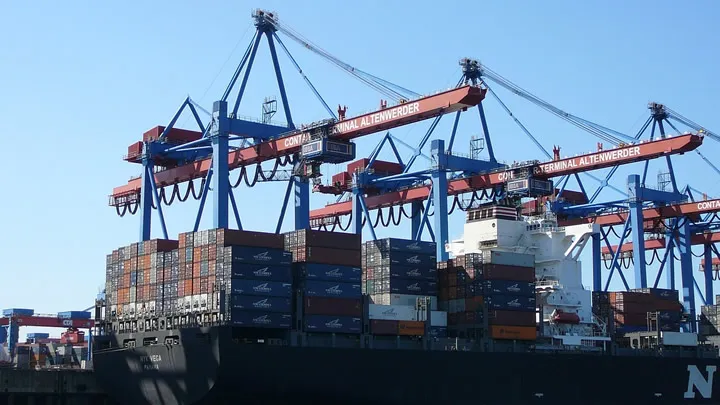
Agency export is essentially a business cooperation model of "borrowing a boat to go to sea". Agency companies with import and export rights (such as Zhongmaoda) provide a full set of export services for manufacturers without qualifications, including customs declaration, tax refund, and foreign exchange collection. This model can help SMEs save over 90% in compliance costs.
- Qualification Differences: Manufacturing enterprises only need to provide business licenses and product qualifications.
- Risk Transfer: The agency party assumes responsibility for customs declaration and foreign exchange verification.
- Cost Optimization: Share the agency's export tax refund qualifications.
II. 6 Formal Processes You Cannot Ignore
1. Qualification Verification Stage
Mr. Ji garment factory recently faced an infringement claim for exported button accessories due to not conducting supplier due diligence. Formal agency export must complete:
- Three certificates filing for manufacturing enterprises (Business License/Bank Account Permit/Legal Representative's ID Card)
- Product qualification documents (Quality inspection report, certificate of origin, etc.)
- Agency agreement clearly defining responsibilities (especially payment settlement methods)
- Match the optimal HS code (directly affecting the tax refund rate)
- Prepare compliant commercial invoices (amount error should be
- Arrange local customs declaration (reduce inspection rate by over 30%)
III. Key Risk Prevention and Control Guide

Mr. Wang's 1.2 million in payment was frozen for 3 months last year due to delays in foreign exchange verification. These minefields must be watched out for:
- Tax Red Line: A difference of >5% between the declared amount and the VAT invoice amount will trigger an investigation.
- Foreign Exchange Trap: If the payment collection period exceeds 90 days, it needs to be registered with the State Administration of Foreign Exchange.
- Logistics Blind Spot: Under FOB terms, the freight forwarder must be designated by the agency party.
IV. New Trends in Digital Transformation
Leading agency service providers have now achieved online processing for the entire process. Through Zhongmaoda's intelligent export system, customers can:
- Track customs declaration progress in real-time (accurate to the hour)
- Automatically match the optimal tax refund plan (big data analysis)
- Electronic document management (supports blockchain evidence preservation)
Next time you plan to export through an agency, consider this: Will you choose traditional manual services or embrace digital agency solutions? Welcome to share your export experience or questions in the comment section. We will select typical issues to create special topic answers.

Recent Comments (0) 0
Leave a Reply