Amidst the current wave of globalized business, many enterprises in Beijing are venturing into the international market to conduct export business. Export agent services have consequently become invaluable assistants for many enterprises, yet the fee structures involved often leave many feeling both curious and somewhat bewildered. Today, let's have a good discussion about Beijing export agent fees.
I. Factors Influencing Beijing Export Agent Fees
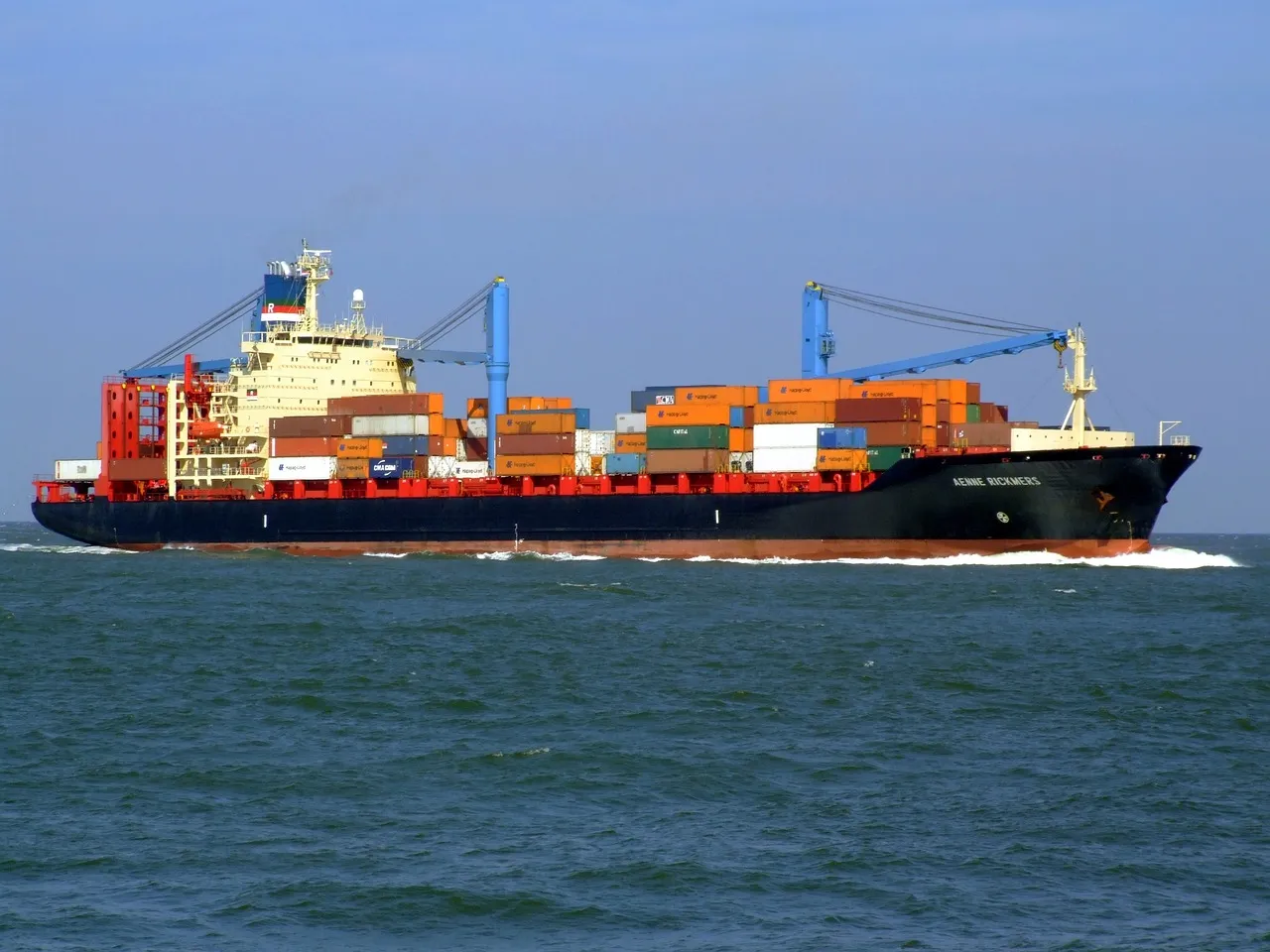
Differences in Service Content: Different export agent companies offer varying scopes of service. Some might simply assist with customs declaration procedures, while others cover a full suite of export process services, from order tracking and logistics arrangement to foreign exchange collection and settlement. Evidently, the more comprehensive the service content, the relatively higher the fees tend to be. For instance, Mr. Mao company previously used an agent solely responsible for customs declaration, with relatively lower fees. However, as their business expanded and required more comprehensive services, switching to a different agent resulted in an increase in fees.
Type and Quantity of Goods: If the goods for export belong to special categories, such as flammable and explosive items, perishable goods, or high-value precision instruments, these types of goods involve more complex operational procedures, requiring greater professional handling and security measures, consequently, agent fees will naturally increase. Furthermore, the volume and scale of goods is also an influencing factor; for large-volume export shipments, the agent company's investment in human resources, materials, and other aspects will also increase accordingly, leading to corresponding adjustments in fees.
Market Fluctuations: Beijing's export agent market is also influenced by the macroeconomic environment and industry competition. During periods of strong market demand and busy agent operations, fees might increase due to supply-demand imbalance. Conversely, during periods of sluggish market activity and intense competition, some agent companies might introduce preferential pricing schemes to attract clients.
II. Common Beijing Export Agent Fee Models
Fee per Order: This is a relatively common model where agent companies charge a fixed fee for each export order. This method is straightforward, making cost calculation relatively easy for enterprises with a moderate and stable number of orders. For instance, Mr. Mao small foreign trade company, with a few fixed export orders each month, finds that choosing a per-order fee agent results in clearly quantifiable monthly costs.
Percentage of Cargo Value Fee: This means a certain percentage of the total value of exported goods is charged as the agent fee. It is generally applicable to export businesses involving higher cargo values; however, for enterprises, the higher the cargo value, the higher the agent fee paid, making cost control relatively challenging. For example, enterprises exporting high-end electronic products might face significant agent fee expenditures.
Comprehensive Fee: This combines the characteristics of the two aforementioned methods, setting fee standards by considering both the number of orders and factors like cargo value. This fee model is relatively more flexible and can better adapt to the business circumstances of different enterprises.
III. How to Choose Cost-Effective Beijing Export Agent Services and Reasonable Fees
Firstly, enterprises must clearly define their own export business needs, knowing precisely which specific services they require from an agent company, and then seek out matching agent companies based on these needs. When evaluating agent companies, one should not only look at the level of fees but also pay attention to their service quality, professionalism, industry reputation, and other aspects. For instance, a comprehensive assessment can be made by reviewing past client testimonials and understanding their ability to handle complex operations.
Secondly, it's crucial to compare the fee proposals of several agent companies. Different companies may have significantly varied billing models and standards; by comparing, one can find the fee structure best suited for their own enterprise, thereby achieving reasonable cost control and smooth business operations. Just as one compares prices from three different stores when buying something, the same applies to choosing export agent services.
Conclusion: In-Depth Understanding, Prudent Choice
Beijing's export agent fee landscape is not static, nor can it be generalized simply. It is influenced by various factors, with different fee models available for selection. When conducting export business, enterprises must deeply understand these situations and, based on their actual needs, reasonably choose export agent services and their corresponding fee structures; only then can they compete effectively in the international market, achieving better development with ease. We hope that all readers will make informed decisions when facing Beijing export agent fee issues, and are welcome to share their experiences and insights in the comments section.

Recent Comments (0) 0
Leave a Reply