On the stage of international trade, a unique cooperation model is gradually attracting widespread attention: the buyer-designated export agent. While this model seemingly offers convenience to both buyers and sellers, it actually involves many complex details and potential risks. Today, let's delve into the topic of buyer-designated export agents.
What is a Buyer-Designated Export Agent?
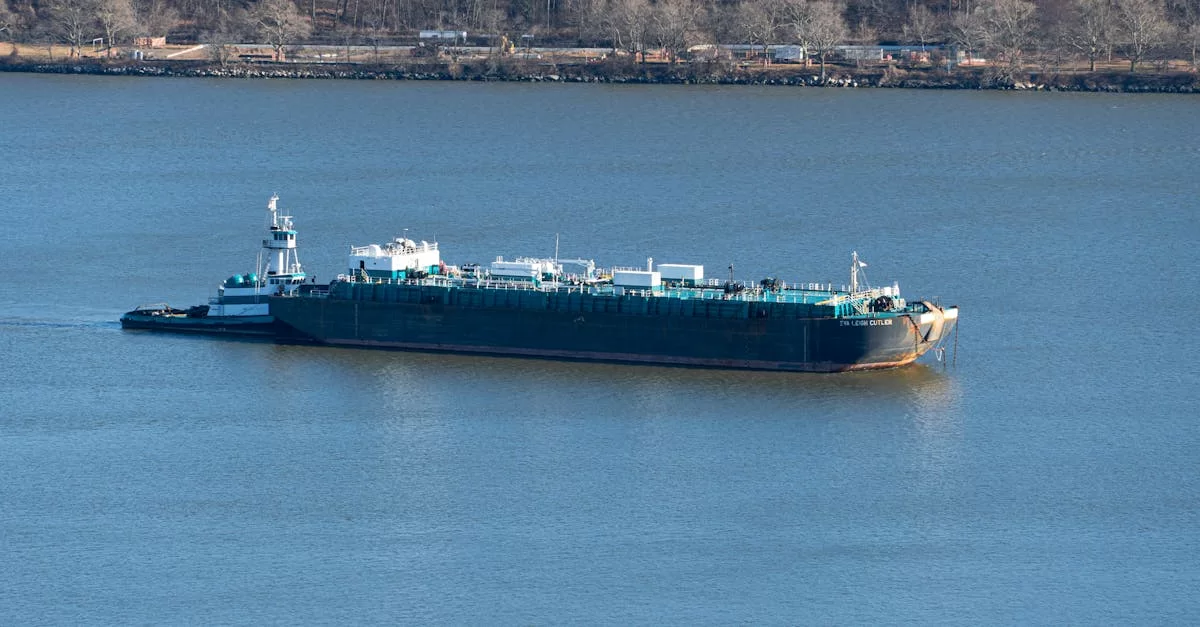
Simply put, a buyer-designated export agent means that the importer (buyer) designates an export agent company to handle the export matters of the seller's (exporter's) goods. In this model, buyers often choose their trusted agent based on their considerations of market, logistics, customs clearance, and other aspects. For example, the export enterprise Mr. Bai works for encountered a situation where a foreign buyer designated "Zhongmaoda" as their export agent. "Zhongmaoda," with its rich experience and good resources in the local market, was chosen by the buyer to manage a series of processes for Mr. Bai company's goods, from export from China to the buyer's country.
Advantages of Buyer-Designated Export Agents
For buyers, designating an export agent allows for better control over aspects such as cargo transportation and customs clearance. They are familiar with local policies, regulations, and logistics channels, ensuring that goods reach their destination smoothly and quickly. For instance, the import enterprise represented by Mr. Bai, by designating "Zhongmaoda," shortened the shipping time by nearly one-third compared to before, effectively reducing inventory costs.
For sellers, there are also certain benefits. Leveraging a capable export agent designated by the buyer can lead to more convenient customs clearance services and faster capital recovery. Moreover, since the buyer makes the designation, it also increases order stability to some extent and reduces communication costs incurred from searching for an agent.
Potential Risks Cannot Be Ignored
However, buyer-designated export agents are not without risks. Firstly, sellers might face the risk of collusion between the agent and the buyer. If the export agent, for its own benefit, conspires with the buyer to lower prices or delay payments, the seller will be in a passive position. For example, some sellers, after goods delivery, have delayed receipt of payment and later discovered through investigation that the agent and buyer had reached certain agreements detrimental to the seller.
Secondly, the service quality of export agents varies. If the agent designated by the buyer lacks professional competence and makes errors in aspects such as cargo transportation or customs declaration, it could lead to goods being held up or delayed, causing significant losses for the seller. Furthermore, under this model, the seller's control over the export process is weakened, and once problems arise, the delineation of responsibility may become unclear.
Recommended Countermeasures
To address these potential risks, sellers need to adopt a series of countermeasures. Before cooperation, a thorough due diligence should be conducted on the buyer-designated export agent to understand its reputation, qualifications, and past performance. Information can be obtained through various channels, such as industry reputation and official certifications. When signing contracts, the rights and obligations of all parties must be clearly defined, especially concerning key clauses like payment for goods and liability for breach of contract. Concurrently, sellers should maintain appropriate attention to and supervision of the goods export process, communicating promptly with the agent to stay informed about cargo status.
Summary and Reflection
Buyer-designated export agent is a specific model in international trade that brings both opportunities and challenges. Both buyers and sellers need to fully understand its pros and cons and make decisions cautiously. Sellers should respond flexibly while safeguarding their own interests and fully leverage this model to expand their business. We hope that the discussion in this article will prompt more thought and discussion on this model, jointly promoting the healthy development of international trade.

Recent Comments (0) 0
Leave a Reply