"My products can sell for a high price abroad, why do I always lose money when exporting myself?" This was the question Mr. Yun asked as he closed his cross-border e-commerce store. Like Mr. Yun, many SME owners often stumble due to complex processes and hidden costs when trying to export independently. This article, with **10 years of foreign trade service experience**, will break down the complete export agency process and help you calculate those "invisible" fees.
I. Why Do You Need an Export Agency?
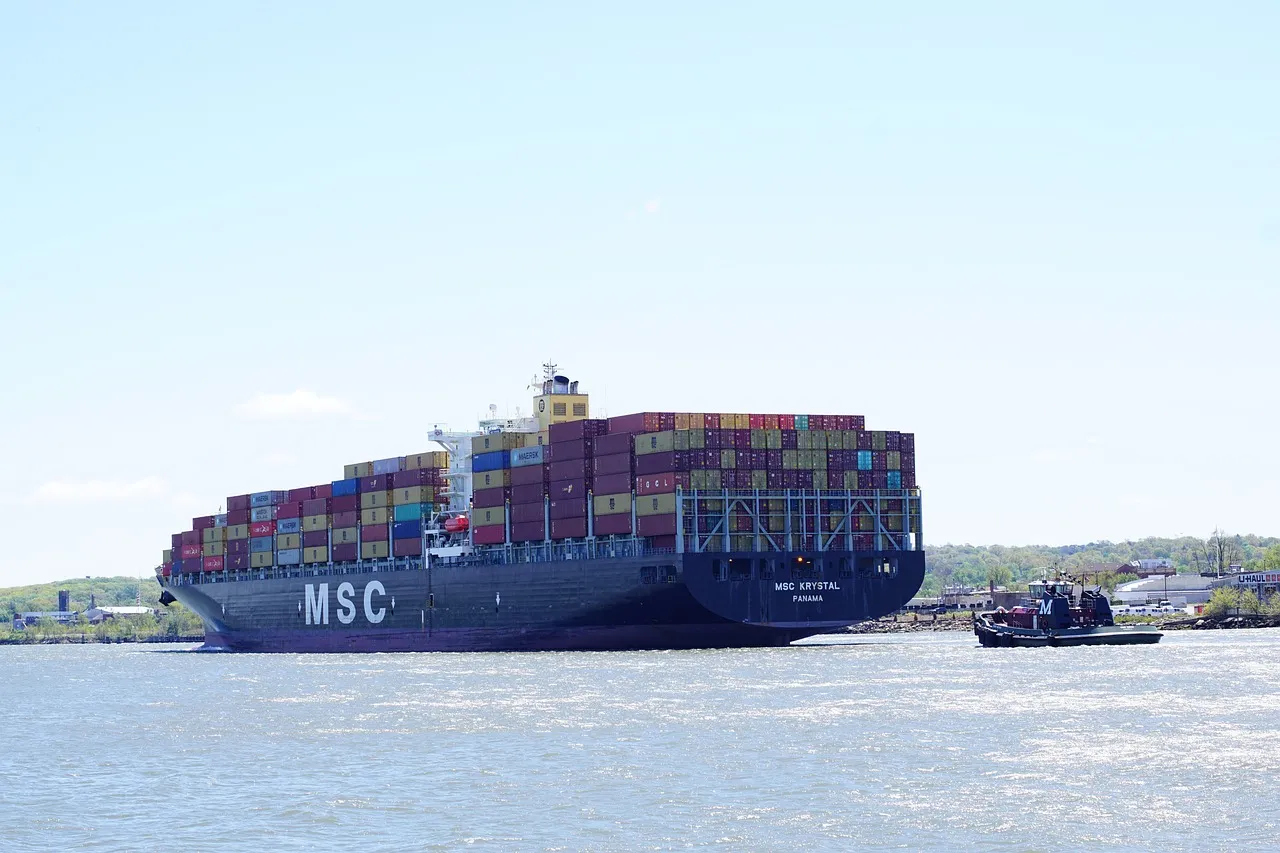
When your company exhibits the following signs, it's time to consider agency services:
- Monthly export volume below 500,000 yuan, making it too costly to build your own foreign trade team
- Encountering customers requiring complex settlement methods like D/P or letters of credit
- Being overwhelmed by destination country customs clearance certifications (e.g., CE, FDA)
Zhongmaidada's case studies show that using professional agents can **reduce SME export costs by 35%**, especially suitable for fast-moving industries like apparel and electronics accessories.
II. Six Steps to the Complete Export Agency Process
Step 1: Qualification Review
The agency will check the company's business license, bank account, and product compliance documents (e.g., quality inspection reports), usually taking 3-5 working days. A certain maternal and infant product manufacturer once had an entire shipment held at the port due to a lack of EN71 toy safety certification.
Step 2: Signing the Tripartite Agreement
Clearly define the responsibilities of the agency, manufacturer, and overseas buyer, paying particular attention to the **payment settlement period** clause. A common pitfall is "settlement upon receipt of customer payment," which may imply a 90-day payment term.
Step 3: Logistics and Customs Declaration
The agency will select transportation methods based on cargo characteristics:
- Air freight: Suitable for urgent orders with a cargo value > 200 yuan/kg
- Sea freight: A 20-foot container (approx. 28m³) currently costs about $800-$1200
- China-Europe Railway Express: 15% more expensive than sea freight but saves 20 days
Step 4: Tax Handling
The agency will assist in handling export tax refunds, with current refund rates ranging from 5% to 17% for different products. A Shenzhen electronics factory optimized its customs declaration items through an agent, increasing its tax refund rate from 9% to 13%.
Step 5: Foreign Exchange Settlement
After the agency's account receives the foreign currency, it is usually settled within **T+3** working days. Pay attention to comparing the Bank of China's spot buying rate; one company lost 32,000 yuan due to exchange rate differences.
Step 6: After-Sales Service
A high-quality agency will provide services such as buyer credit investigation and dispute resolution. A ceramic exporter successfully recovered $170,000 in outstanding payments after two years through the agency's overseas law firm.
III. Full View of Fee Structure
Taking the export of one 20-foot container to Germany as an example:
- Basic service fee: 0.8%-1.5% of cargo value (minimum 3000 yuan)
- Document fees: For customs declaration forms, certificates of origin, etc., about 800 yuan
- Inspection fee: 200-500 yuan/time (optional)
- Bank handling fee: 0.1%-0.3% of the collected amount
- Exceptional situations: Amendment fee 200 yuan/ticket, demurrage fee $80/day
Hidden Cost Warning: Freight forwarders may charge additional fees like AMS and ENS; be sure to request a quotation in advance.
IV. How to Choose a Reliable Agency?
Remember these three **pitfall avoidance principles**:
- Request to see the Customs AEO certification
- Compare payment security plans from at least 3 agencies
- Verify real settlement records for the past 3 months
A Hangzhou clothing factory once faced a cash flow crisis due to the agency misappropriating funds. Now, they regularly check the agency's foreign exchange income and expenditure details.
V. New Trends in 2024
Under the RCEP agreement, two major changes are occurring in export agencies:
1. Customs clearance time for ASEAN countries has been shortened to within 48 hours
2. The rules of cumulative origin allow more products to enjoy zero tariffs
A certain agricultural machinery enterprise gained a 15% price advantage in the Vietnamese market by using an agent to declare RCEP certificates of origin.
Exporting is never as simple as "goods out, money in." When you are ready to sell your products to the world, feel free to leave a comment: **What are the export agency details you most want to understand?** We will select 5 questions for detailed answers by foreign trade experts.

Recent Comments (0) 0
Leave a Reply