Amidst the wave of globalization, foreign trade export has become an important channel for numerous enterprises to expand their business and seek greater development opportunities. However, for many, foreign trade export seems shrouded in a mysterious veil, with its myriad knowledge and procedures leaving people both curious and somewhat confused. Today, let's properly lift this veil, delve into the knowledge of foreign trade export, and enable you to find your direction in this vast international market.
I. The Basic Process of Foreign Trade Export
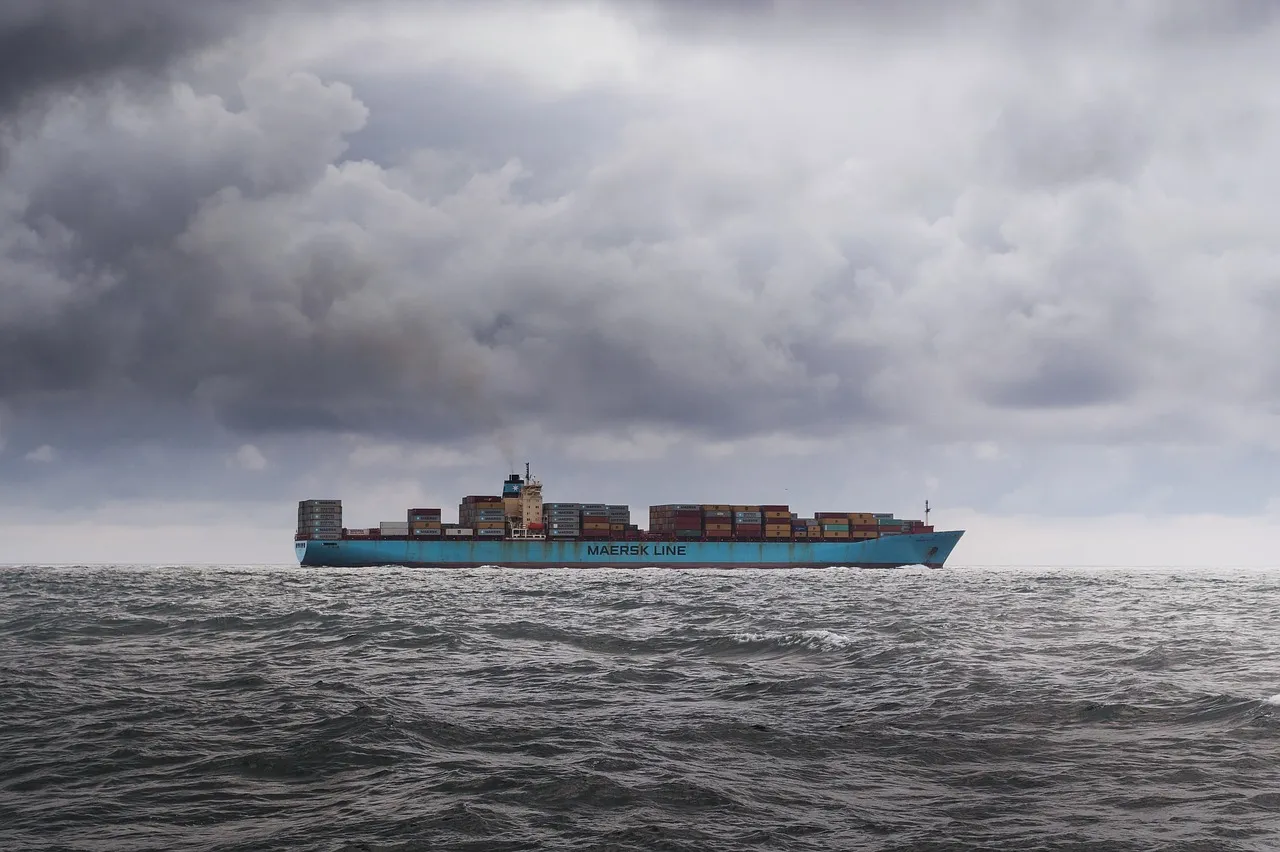
First and foremost, foreign trade export is not simply about directly shipping domestic products abroad; it involves a stringent set of procedures. The first step is market research, which is akin to reconnaissance work before a battle. One must understand the target market's demands, competitive landscape, cultural customs, etc. Mr. Xie once failed to do this step properly, blindly pushing his products into a new market, only to face a sales Waterloo. Hence, this step is critically important.
Next is client prospecting, identifying potential overseas buyers through various exhibitions, online platforms, and other channels. Then comes order negotiation, communicating and negotiating detailed terms such as product specifications, prices, and delivery dates with the client, and signing a contract upon reaching an agreement. After the contract is signed, don't assume everything is done; production and stock preparation must be arranged to ensure goods are ready on time, with quality, and in the right quantity. Following this are a series of intricate yet essential procedures like customs declaration and inspection. Only after these procedures are completed can the goods be smoothly dispatched. Finally, after-sales tracking service must be diligently performed to maintain good client relationships.
II. Important Documents in Foreign Trade Export
In the process of foreign trade export, various documents are like operational directives on a battlefield, each indispensable. Among them, the contract is paramount, as it clearly defines the rights and obligations of both buyers and sellers, serving as the strongest evidence in case of disputes. There's also the invoice; this is not the simple invoice we usually receive for domestic consumption. A foreign trade invoice must explicitly state information such as product name, specifications, quantity, and price, acting as a crucial document for customs declaration, settlement, and other procedures.
- The bill of lading is also one of the key documents; it serves as proof of ownership of the goods, representing their attribution, and the consignee can only retrieve the goods with the bill of lading.
- Additionally, documents like certificates of origin and quality inspection certificates play important roles in different situations. For example, some countries have origin requirements for imported products, and with a certificate of origin, one can enjoy corresponding preferential policies.
III. Risks and Countermeasures in Foreign Trade Export
While foreign trade export offers broad market prospects, it also comes with numerous risks. For instance, exchange rate fluctuation risk. Mr. Xie once incurred significant profit losses during settlement because she failed to consider potential exchange rate changes when signing an order. Therefore, when engaging in foreign trade export business, it is crucial to constantly monitor exchange rate dynamics and reasonably utilize financial tools to hedge against exchange rate risks.
There's also credit risk; after all, dealing with overseas clients means one might not have a comprehensive understanding of their creditworthiness. In such cases, it is necessary to use professional credit investigation agencies to understand the client's credit status, and simultaneously establish reasonable payment terms in the contract to mitigate credit risk. Furthermore, risks like political risk and trade barrier risk also require us to prepare contingency plans in advance so that we can calmly respond should issues arise.
Foreign trade export is a field full of opportunities and challenges. Mastering this basic knowledge of foreign trade export is like holding a key to unlock the door to the international market. However, this is just the beginning. In actual foreign trade operations, new problems and situations will continuously arise, requiring us to constantly learn and accumulate experience. I hope everyone can carve out their own niche in this vast world of foreign trade, and you are welcome to share your experiences or questions regarding foreign trade export in the comments section so we can grow together!

Recent Comments (0) 0
Leave a Reply