On the vast stage of international trade, agency and export are like two shining stars, yet distinct in nature. For many aspiring to enter the foreign trade sector, accurately distinguishing between them is a crucial step towards a successful journey. Today, let us delve into the differences between agency and export, helping everyone find a clear direction in the complex world of foreign trade.
Differences in Definition: Fundamental Delineation
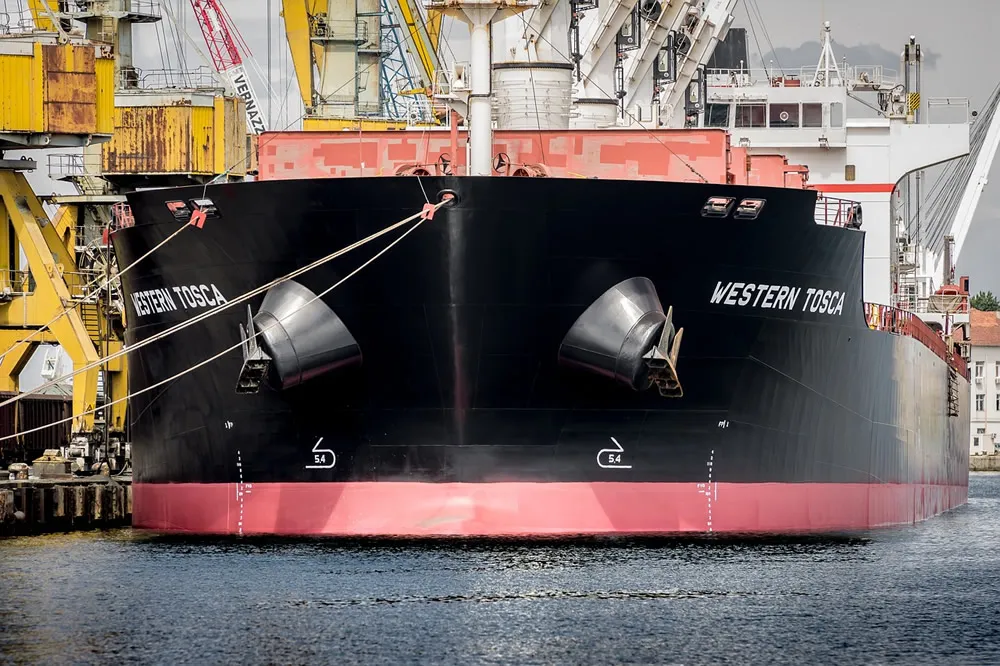
Firstly, from a definitional perspective, export refers to an enterprise directly shipping goods produced or processed in its home country to overseas markets for sale. For example, a factory producing specialty ceramics, leveraging its own channels and capabilities, transports ceramic products to foreign retailers or wholesalers. This is a typical export activity, where the enterprise bears a series of primary responsibilities from production to sales throughout the entire process.
Agency, however, is different. Agency refers to an agent accepting a commission from an exporting enterprise to conduct export business activities on behalf of the exporting enterprise, either in the name of the exporting enterprise or in its own name, within the agreed scope of authorization. For instance, Mr. Wu agency company, commissioned by a toy manufacturing enterprise, utilizes its own client resources and professional experience to help the toy enterprise introduce its products to the international market. The agency company does not own the goods; it merely conducts related business activities based on the commission agreement.
Risk Assumption: The Balance of Responsibility
In terms of risk assumption, exporting enterprises face more comprehensive risks. From fluctuations in raw material prices and production equipment malfunctions in the production stage, to changes in market demand, exchange rate volatility, and trade barriers in the sales stage, exporting enterprises need to manage all these themselves. Should a problem arise in any stage, such as products being returned due to non-compliance with the importing country's new quality standards, the loss will be borne by the exporting enterprise itself.
For agents, risks are relatively concentrated at the operational level. For example, failing to fulfill duties according to the commission agreement, leading to delayed goods delivery, might result in accountability from the exporting enterprise, but the scope is smaller compared to the comprehensive risks borne by the exporting enterprise. Agents typically do not bear the market risks or production risks of the goods themselves; as long as they fulfill their obligations normally within their agency authority, they generally will not suffer excessive losses.
Cash Flow and Profit Generation: Distribution of Benefits
In terms of cash flow, exporting enterprises need to raise production capital, bear transportation costs, pay various taxes and fees, etc., facing greater capital pressure. Their profit comes from the difference between the product's selling price in overseas markets and the production costs plus various expenses. If sales are good, the profit margin can be considerable, but if the market cools, they may also face losses.
Agents primarily earn agency fees, usually charged as a certain percentage of the export value of the goods. The cash flow is relatively simple, not requiring significant investment in production capital. While the upper limit of profit may not be as high as direct sales by exporting enterprises, it is relatively stable; as long as there is a business commission, corresponding agency fee income can be obtained, and the demand for capital liquidity is relatively low.
Exploring the Right Path
Both agency and export have their unique characteristics, and enterprises should choose based on their actual circumstances. If an enterprise possesses strong production capacity, rich foreign trade experience, and robust financial strength, direct export might enable better overall control and yield larger profit margins. However, for enterprises just entering the foreign trade sector with limited resources, leveraging the professional advantages of agents to penetrate international markets is a sound strategy. It is hoped that by understanding the differences between agency and export, everyone can make informed decisions and achieve success in international trade.

Recent Comments (0) 0
Leave a Reply