In today's globalized business environment, export business is crucial for enterprises to expand markets and enhance competitiveness. However, when engaging in export activities, companies face a choice between two models: direct export and agency export. Which model is more suitable for their own development? This article will provide you with an in-depth analysis and relevant recommendations.
Advantages and Disadvantages of Direct Export
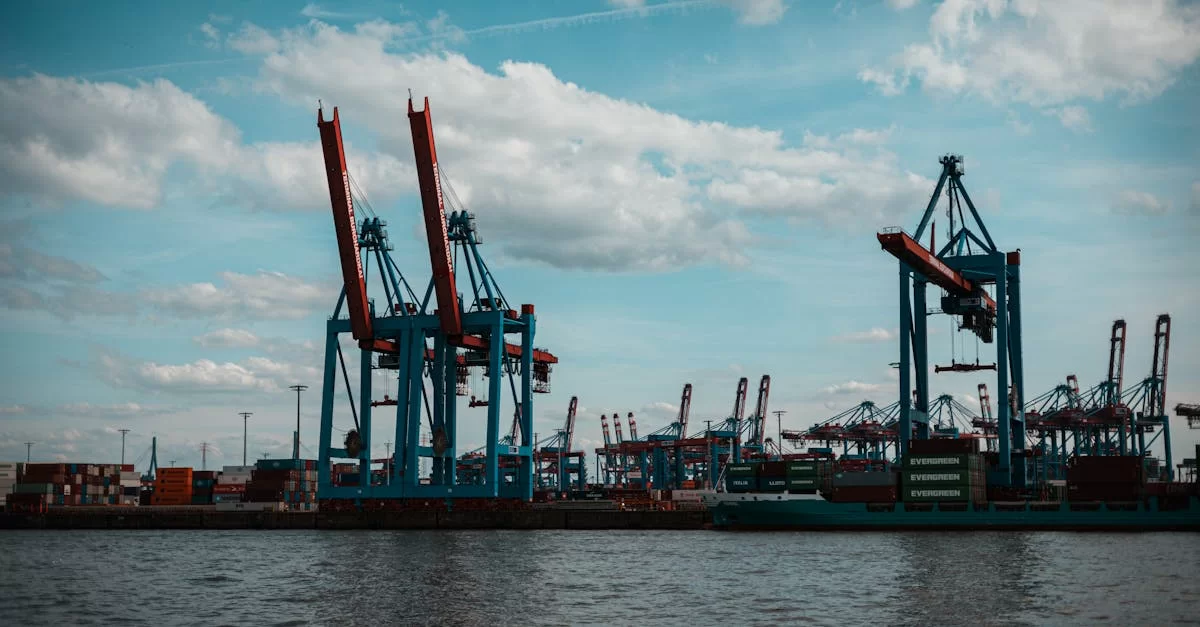
Let's first look at direct export. Direct export means that an enterprise fully relies on its own resources to conduct export business, handling a series of processes from market research and customer development to customs declaration, transportation, and foreign exchange settlement.
Its advantages are quite significant. On one hand, it allows for direct control over the entire business process. Enterprises can flexibly adjust market strategies according to their own strategic planning, gain a deep understanding of target market needs, and better shape their brand image. For example, companies can optimize product packaging and promotional strategies specifically based on consumer preferences in different countries. On the other hand, the profit margin is larger. There's no need to pay commissions to an agent, and all profits belong directly to the enterprise, which is highly attractive to companies pursuing high returns.
However, direct export also has certain drawbacks. Initial investment costs are high, requiring the establishment of a professional foreign trade team, including foreign trade sales representatives, document specialists, customs declarers, etc. Additionally, capital must be invested in market development and establishing overseas marketing channels. Furthermore, risks are concentrated; should issues such as customer payment defaults or cargo damage during transportation arise, the enterprise must bear all risks independently.
Advantages and Disadvantages of Agency Export
Agency export, on the other hand, involves an enterprise entrusting its export business to a professional foreign trade agency. The agency company, leveraging its rich experience and professional resources, assists the enterprise in completing the export process.
The advantages of agency export are prominent. It saves costs and time, as enterprises do not need to expend significant effort building a foreign trade team and establishing an export system. By utilizing the agency's mature platform, products can be quickly launched into international markets, making it particularly suitable for companies new to export or with small export volumes. Moreover, risks are diversified, as agency companies are experienced in managing trade risks and can help enterprises mitigate them to some extent, for instance, in responding to changes in international trade policies or handling trade disputes.
Nevertheless, agency export also has its shortcomings. Enterprises have relatively weaker control over operations, and may face limitations from the agency in areas such as customer communication and brand promotion. Additionally, profits will be reduced, as a certain percentage of commission needs to be paid to the agency, which will undoubtedly compress the enterprise's profit margin.
Recommendations for Choice
So, how should enterprises choose? If an enterprise possesses strong financial capabilities, a complete foreign trade team, and extensive international market experience, and wishes to deeply control its operations and build its own brand, direct export might be a better choice. For instance, for companies like Zhongmaoda that are capable of establishing a complete foreign trade system, direct export can better achieve its strategic goals.
For enterprises with limited funds, lack of foreign trade experience, and a desire to quickly enter international markets in the short term, agency export is more suitable. By collaborating with professional agency companies, businesses can gradually accumulate experience under controllable risks, and then consider direct export once conditions are mature.
Amidst the wave of globalization, whether an enterprise chooses direct export or agency export, it should fully assess its own capabilities and market demands to make the most suitable decision for its development. We hope that all enterprises can find their direction in export business and achieve good economic benefits. We also welcome everyone to share their experiences and insights on choosing export business models in the comments section.

Recent Comments (0) 0
Leave a Reply