“This batch of shoes has been stuck at customs for a week, and the client is pressing us daily!” Mr. Zhang, head of a shoe factory in Dalian, has recently been swamped with problems. Business owners like him are not isolated cases—as Dalian's footwear export volume grows year after year, the complexity of customs clearance procedures is becoming an “invisible barrier” for many companies. How can products smoothly cross borders? This article will reveal the critical aspects of shoe export customs clearance agents, providing practical guidance for foreign trade enterprises.
I. Why Do Shoe Export Customs Clearances Often Encounter Pitfalls?
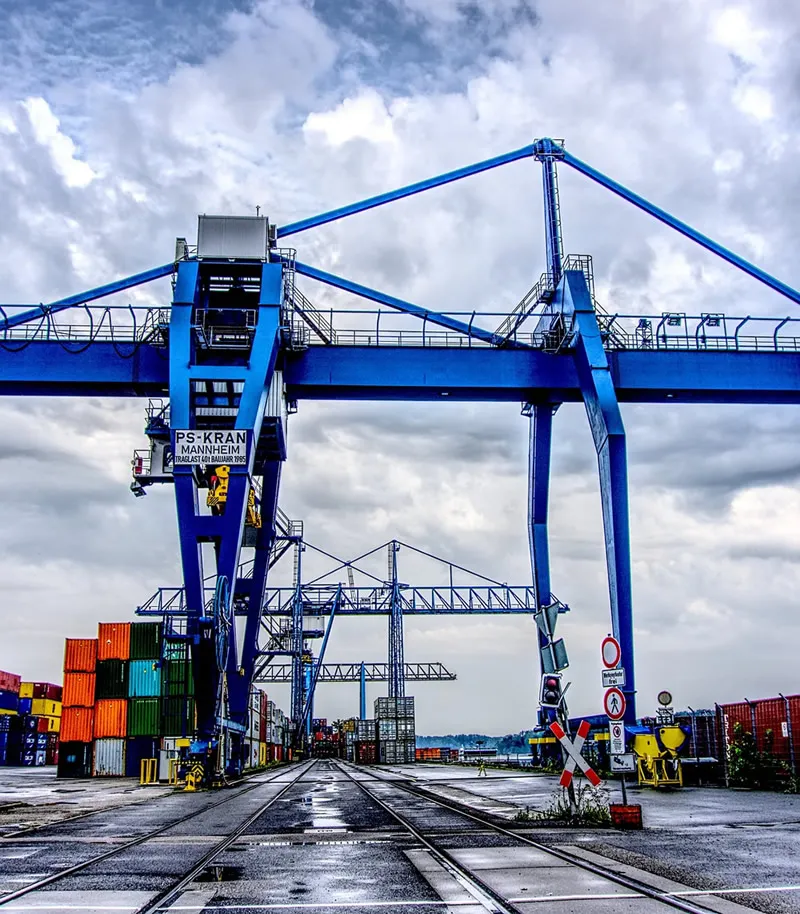
As a vital port city in Northeast Asia, Dalian sees over $2 billion worth of footwear products exported annually. However, customs data indicates that approximately 15% of shoes experience delays due to customs declaration issues. Common pain points include:
- Incorrect Classification: The HS codes for athletic shoes and casual shoes can differ by 6 digits
- Incomplete Documents: Missing certificates of origin or quality inspection reports
- Declaration Discrepancies: Actual material differs from declared composition by over 5%
Mr. Zhang factory was once fined 20% of the cargo value for mistakenly declaring “synthetic leather” as “genuine leather.” “We focus on production and truly don't understand these details,” she lamented, echoing the sentiments of many businesses.
II. Four Core Values of Professional Agents
Collaborating with professional agencies like Zhongmaoda can systematically address the following issues:
- Accurate Classification: Matching HS codes based on over 50 indicators such as sole material (rubber/plastic) and upper height
- Risk Prediction: Proactively avoiding technical barriers in target countries (e.g., EU REACH regulations on chemical substances)
- Cost Optimization: Utilizing free trade agreements to reduce tariffs (e.g., RCEP offers an 8.3% preference for exports to Japan)
- Emergency Handling: Responding to customs inspections within 3 hours and providing compliant supplementary materials
III. Case Study: Urgent Order Completed in Three Days
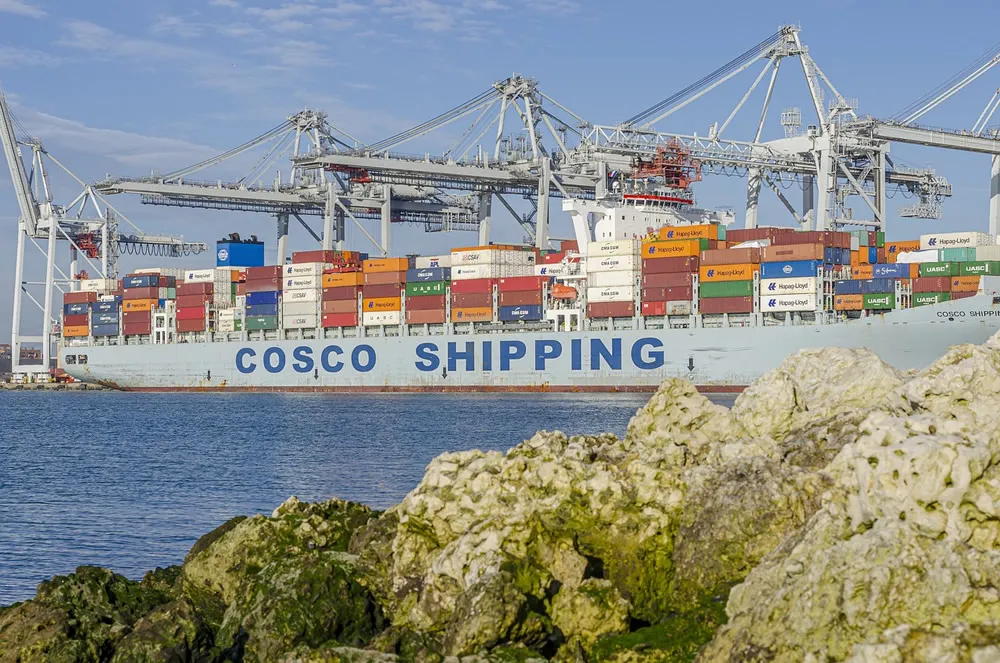
A Dalian enterprise received an urgent order for 5,000 pairs of snow boots from a South Korean client, requiring departure within 5 days. The agency team adopted a “three-synchronization” plan:
- Synchronization 1: Logistics team booked flight cargo space
- Synchronization 2: Customs declaration team prepared the China-Korea FTA Certificate of Origin
- Synchronization 3: Quality inspection team supervised container loading and took photos on-site
Ultimately, the entire process from factory to Incheon Port was completed within 72 hours, reducing tariff costs by 12%.
IV. Enterprise Self-Check: Are Your Shoes “Customs Clearance Ready”?
It is recommended to make three basic preparations before export:
- [Documents] Prepare packing lists, invoices, contracts, and test reports at least 3 working days in advance
- [Labels] Shoe boxes must be labeled with material, size, and country of origin (e.g., “Made in China”) in the language of the exporting country
- [Packaging] Gross weight per carton should not exceed 25kg to avoid additional costs from overseas repackaging
When a pair of shoes travels from Dalian to the world, it's backed by the precise coordination of countless details. Choosing a professional customs clearance agent is not just purchasing a service; it's equipping your product with an accelerator for compliant global expansion. Has your company recently encountered customs clearance difficulties? Feel free to share your experiences in the comments section, and we will select 3 typical cases for professional analysis.

Recent Comments (0) 0
Leave a Reply