In today's era of global economic integration, export trade is becoming increasingly active. For many foreign trade enterprises, understanding the export declaration process for goods is of paramount importance. It is like a critical checkpoint in the journey of foreign trade, and passing it smoothly allows goods to travel unimpeded to the world. Next, let us delve into the mysteries of the export declaration process for goods.
Preparation Before Declaration

Firstly, enterprises must obtain import and export business qualifications. Only with this qualification can they have a ticket to participate in the game of export trade. This process involves submitting a series of documents to the relevant competent commerce authorities and completing the approval and filing. At the same time, enterprises also need to carry out customs registration, leaving their "identity information" in the customs system for subsequent declaration operations.
In terms of goods preparation, enterprises must prepare goods strictly in accordance with contract requirements, ensuring that the quality, quantity, and packaging meet relevant standards. For example, if exporting food, the labels on the packaging must clearly indicate all ingredients, shelf life, and other information to meet the regulatory requirements of the importing country.
Declaration Form Filling and Submission
The declaration form is the core document in the declaration process. It is like the "identity statement" of the goods, requiring accurate completion of detailed information about the goods, including commodity name, specifications, quantity, value, country of origin, and so on. It is crucial to fill it out accurately, as any minor error can lead to declaration delays.
Declaration methods have also kept pace with the times. In addition to traditional paper declarations, enterprises increasingly adopt electronic declaration methods. Through platforms like the China International Trade Single Window, enterprises can submit declaration forms and related supporting documents online. It is important to note here that supporting documents are indispensable, such as commercial invoices, packing lists, and contracts, as they provide strong evidence for the information in the declaration form.
Customs Inspection
After accepting the declaration, customs may inspect the goods. The purpose of the inspection is to verify whether the goods are consistent with the declared content on the declaration form and to check for smuggling or violations. Customs inspection methods are diverse, including thorough inspection and random inspection.
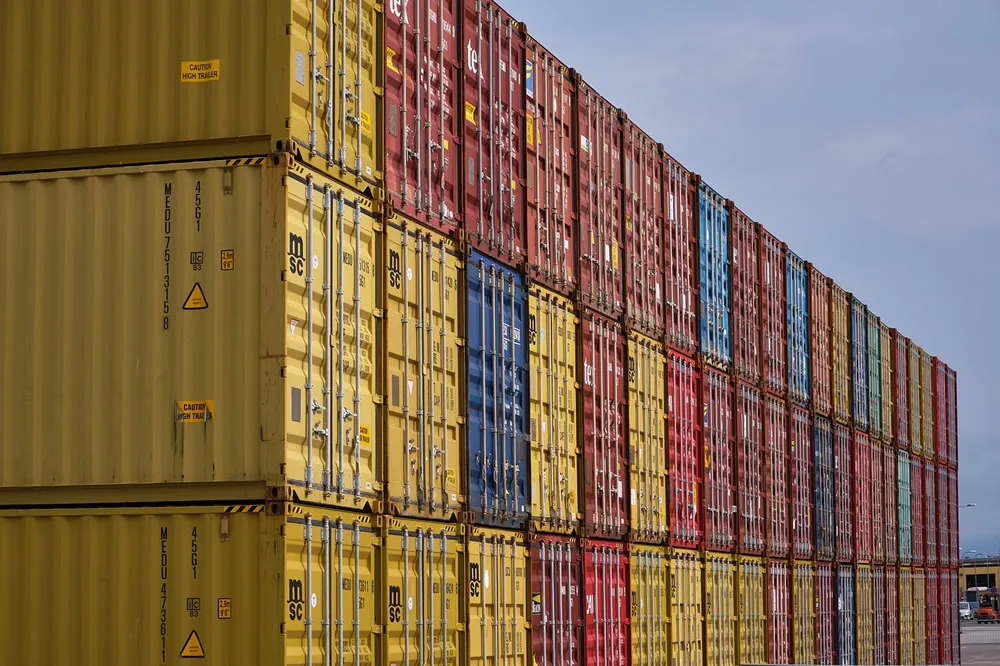
Upon receiving a customs inspection notice, enterprises must cooperate actively. Assign dedicated personnel to accompany customs inspectors and provide necessary assistance. If there are issues with the goods, such as a discrepancy in the declared value, prompt communication and explanation with customs are required, and rectification should be made as requested.
Payment of Taxes and Fees
After the goods are inspected and found to be compliant, enterprises need to pay the corresponding taxes and fees. This includes customs duties, value-added tax, consumption tax, etc. The specific tax types and rates depend on factors such as the commodity category and country of origin.
Enterprises can conveniently pay taxes and fees through electronic payment platforms. Upon completion of payment, a tax payment certificate will be issued, which is one of the important proofs for smooth customs clearance of goods.
Release and Closing of Declaration
After paying taxes and fees, customs will release the goods. At this point, the goods can leave the customs supervision area and be transported to their destination. For general trade export goods, the declaration process is considered complete upon release, signifying the official end of the declaration process for that shipment.
Although the export declaration process for goods is complex, as long as enterprises treat every link seriously and make thorough preparations, they can achieve smooth customs clearance. It is hoped that all foreign trade practitioners can master this knowledge, making their export businesses unimpeded.

Recent Comments (0) 0
Leave a Reply