Mr. Feng has been worried lately. The high-quality mechanical equipment produced by his factory is popular in the Southeast Asian market, but when a new customer proposed settlement via letter of credit, he hesitated. He had heard that letters of credit were expensive and complicated, and that a single operational error could lead to both loss of goods and money. In reality, a letter of credit is the "safety valve" of international trade. Mastering the correct method can make it a powerful tool for market expansion. This article will break down the entire process of handling export letters of credit to help you avoid risks and collect payments with ease.
Letters of Credit: The "Alipay" of Foreign Trade Transactions
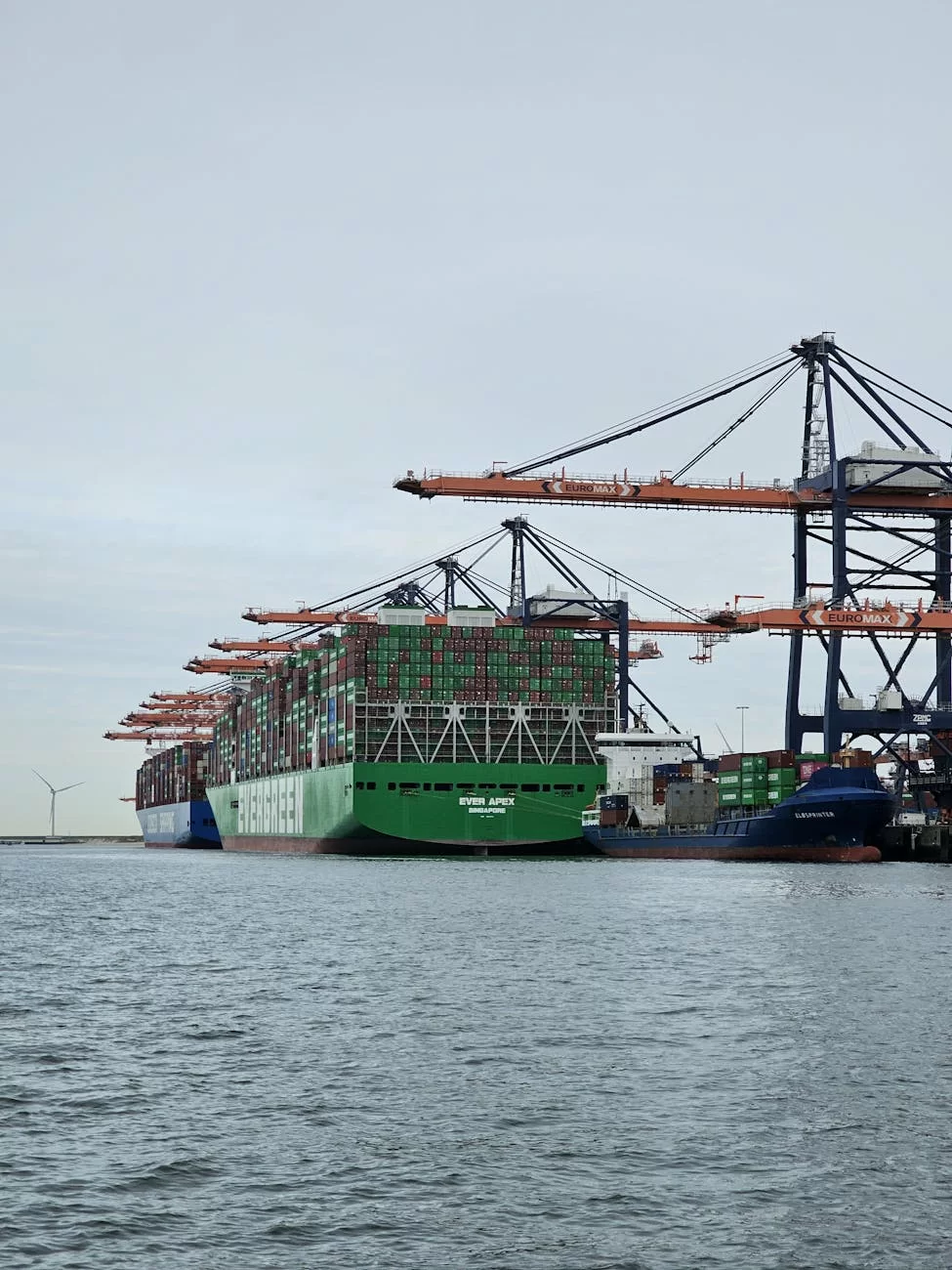
A letter of credit (L/C) is essentially a bank's credit guarantee: the buyer's bank promises to "pay upon presentation of documents"; as long as the seller submits documents that comply with the terms, the bank must pay the invoice amount. Compared to telegraphic transfer (T/T) and open account (O/A), it offers three major advantages:
- Risk Hedging: Avoids buyer default or bankruptcy after receiving goods.
- Financing Convenience: Allows for applying for packing loans from the bank with the letter of credit.
- International Acceptance: A settlement method accepted globally with an acceptance rate of up to 80%.
Handle the Entire Letter of Credit Process in Four Steps
Step 1: Confirm Details of Terms
Upon receiving the draft letter of credit issued by the buyer, review it clause by clause:
- Are the amount and currency consistent with the contract?
- Are the latest shipment date and presentation date reasonable?
- Can the required documents (invoice, bill of lading, quality inspection certificate, etc.) be provided?
Mr. Feng once suffered a loss of US$120,000 due to overlooking the clause "the bill of lading must show the container number," which led to the bank's refusal to pay.
Step 2: Submit for Bank Review
Submit the letter of credit to your partner bank for professional review, focusing on:

- Issuing bank's credit rating (it is recommended to choose a bank among the top 500 globally).
- Presence of "soft clauses" (e.g., payment only after buyer's inspection).
- Clarity of cost allocation (typically, the buyer bears the issuing fee, and the seller bears the notification fee).
- Document content consistent with the letter of credit terms.
- Consistent information across different documents (e.g., description of goods, weight).
- Consistent document signing methods and requirements (whether manual signature or chamber of commerce certification is needed).
- Sight Payment: Payment within 3-5 working days after the bank's review and verification.
- Usance Acceptance: The bank promises to pay on the due date, and discounting for financing can be applied for.
Pitfall Avoidance Guide: Three Major Pitfalls of Letters of Credit
Pitfall 1: Vague Terms
Subjective descriptions such as "goods must conform to industry standards" should be replaced with specific technical parameters.
Pitfall 2: Insufficient Presentation Time
It is recommended to request the buyer to specify in the L/C issuance: presentation period ≥ 15 days, and no earlier than 21 days after the bill of lading date.
Pitfall 3: Inappropriate Bank Selection
A letter of credit issued by an African bank led to a 6-month payment delay due to insufficient foreign exchange reserves.
Advanced Techniques: Make Letters of Credit Work for You
In addition to ensuring payment, letters of credit can also:
- Credit Endorsement: Demonstrate to new clients the payment capability guaranteed by the bank.
- Supply Chain Financing: Apply for order financing from institutions like Zhongmaoda with letters of credit.
- Exchange Rate Lock: Forward letters of credit can be combined with foreign exchange derivatives for risk hedging.
International trade is like a battlefield without smoke. A letter of credit is both a shield and a spear. The next time you receive a letter of credit requirement, consider it a business opportunity rather than an obstacle. What challenges have you encountered in your operations? Welcome to share your experiences in the comment section, and we will select typical cases for professional analysis.

Recent Comments (0) 0
Leave a Reply