"Mr. Cao earned an extra 2 million last year through cross-border e-commerce, Mr. Cao factory saved 30% of costs due to export tax refunds..." Behind these real-life cases lies a key action—applying for import/export rights. Today, we will use the most straightforward language to break down this 'passport' that enables enterprises to 'go global'.
I. Why Are Import/Export Rights Essential?
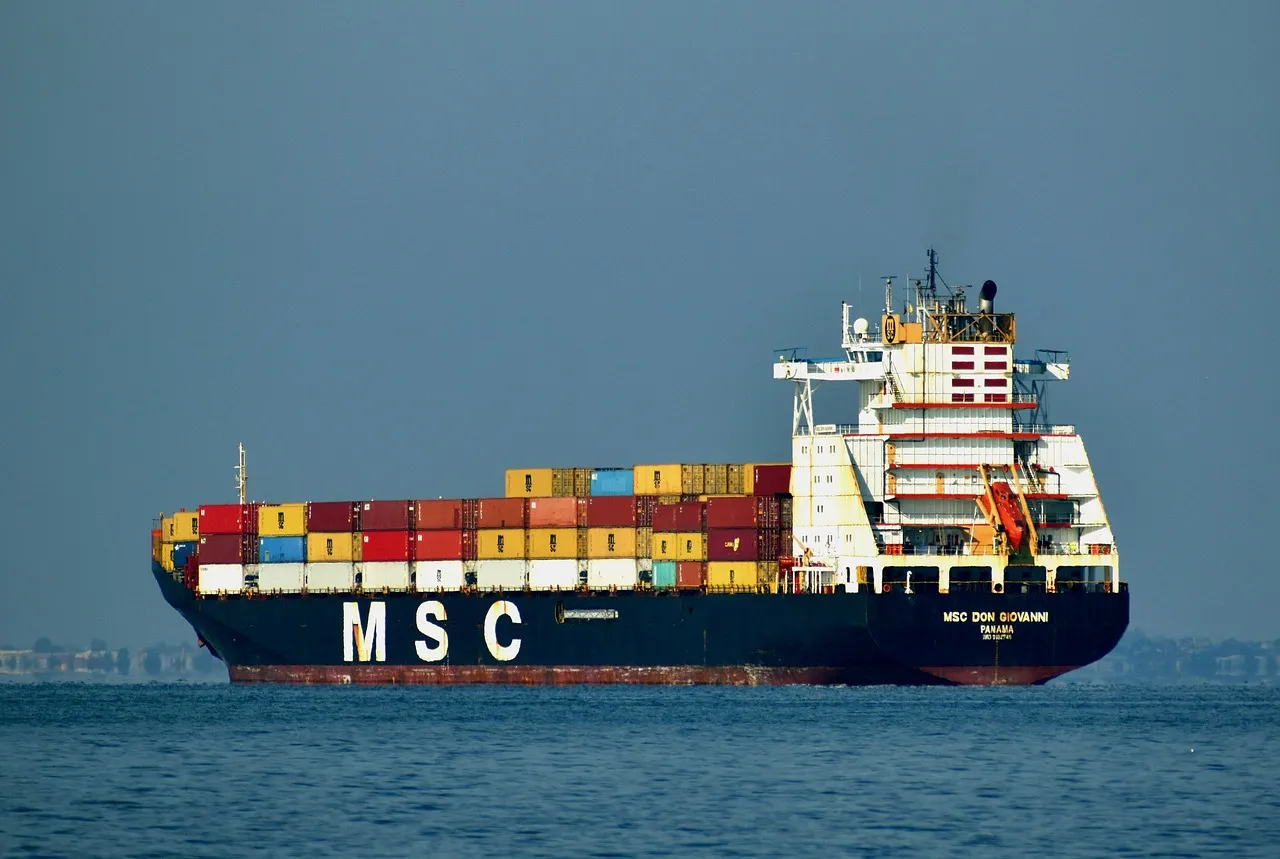
Possessing import/export rights means:
- Directly connecting with overseas clients, eliminating intermediary markups
- Enjoying policy benefits such as export tax refunds and foreign exchange settlements
- An essential qualification for participating in international bidding
Zhongmaoda experts advise: Operating import/export business without a license can result in fines up to 10 times the amount; compliance is the long-term solution.
II. Six Steps for the Full Application Process
Step 1: Business License Scope Expansion
Go to the Administration for Industry and Commerce to add 'import and export of goods' or 'import and export of technology' to your business scope, requiring the preparation of:
- Amended Articles of Association
- Shareholders' Resolution
- Application for New Business License
Step 2: Foreign Trade Record-filing
Submit through the Ministry of Commerce's business system:
- Copy of Enterprise Business License for Legal Person
- Organization Code Certificate (no longer required after the three-in-one certificate reform)
- Customs Registration Form

The Record-filing Registration Form for Foreign Trade Operators can be obtained within 3 working days.
Step 3: Customs Declaration Registration
Bring the materials to the local customs for processing:
- Enterprise Credit Information Publicity Report
- Bank Account Opening Permit
- Copy of Legal Representative's ID Card
Upon obtaining the 10-digit customs code, you can commence customs declaration operations.
Step 4: China e-Port Network Access
Apply for an IC card at the China e-Port Data Center. This is the 'digital key' for cross-border customs clearance, requiring on-site collection of the legal representative's fingerprint information.
Step 5: SAFE Registration (State Administration of Foreign Exchange)
Take the aforementioned materials to the foreign exchange administration to open a foreign currency account. Special attention: Starting from 2023, a new special record-filing for cross-border e-commerce foreign exchange settlement has been added.
Step 6: Tax Export Tax Refund (Exemption) Qualification Determination
Finally, complete the export tax refund qualification record-filing at the tax bureau. The entire process takes approximately 15-20 working days.
III. Pitfall Avoidance Guide: Mistakes 90% of Enterprises Make
1. Omitting 'Technology Import and Export' from Business Scope: Enterprises involved in software or patent export need to pay special attention
2. Overdue Customs Annual Review: The annual report of customs declaration unit registration information must be submitted before June 30th each year
3. Incorrect Foreign Exchange Declaration: Cross-border receipts must distinguish between 'trade in goods' and 'trade in services'
IV. Three Recommendations for Immediate Action
1. Scan your business license copy to confirm your existing business scope
2. Contact your local Bureau of Commerce to obtain the latest materials list (online pre-approval has been enabled in some cities in 2024)
3. It is recommended to apply through professional agencies such as Zhongmaoda, which can increase efficiency by over 50%
Have you encountered any specific issues during the application process? Feel free to leave your questions in the comments section. We will select 3 typical questions to be answered in detail by our customs consultants. After all, the window of opportunity for cross-border business always belongs to those who act fastest.

Recent Comments (0) 0
Leave a Reply