“The price was clearly agreed upon, but the final bill was tens of thousands more!” Mr. Huang almost spilled his coffee when he recently received the settlement statement from his customs brokerage company. As the head of a small to medium-sized export enterprise, it was the first time he realized: the waters of customs declaration fees might be much deeper than imagined. Today, we will open the 'black box' of customs brokerage fees for export enterprises to help you protect your profit margins.
I. Composition of Customs Fees: What You Think Is 'All-Inclusive' Might Just Be the Tip of the Iceberg
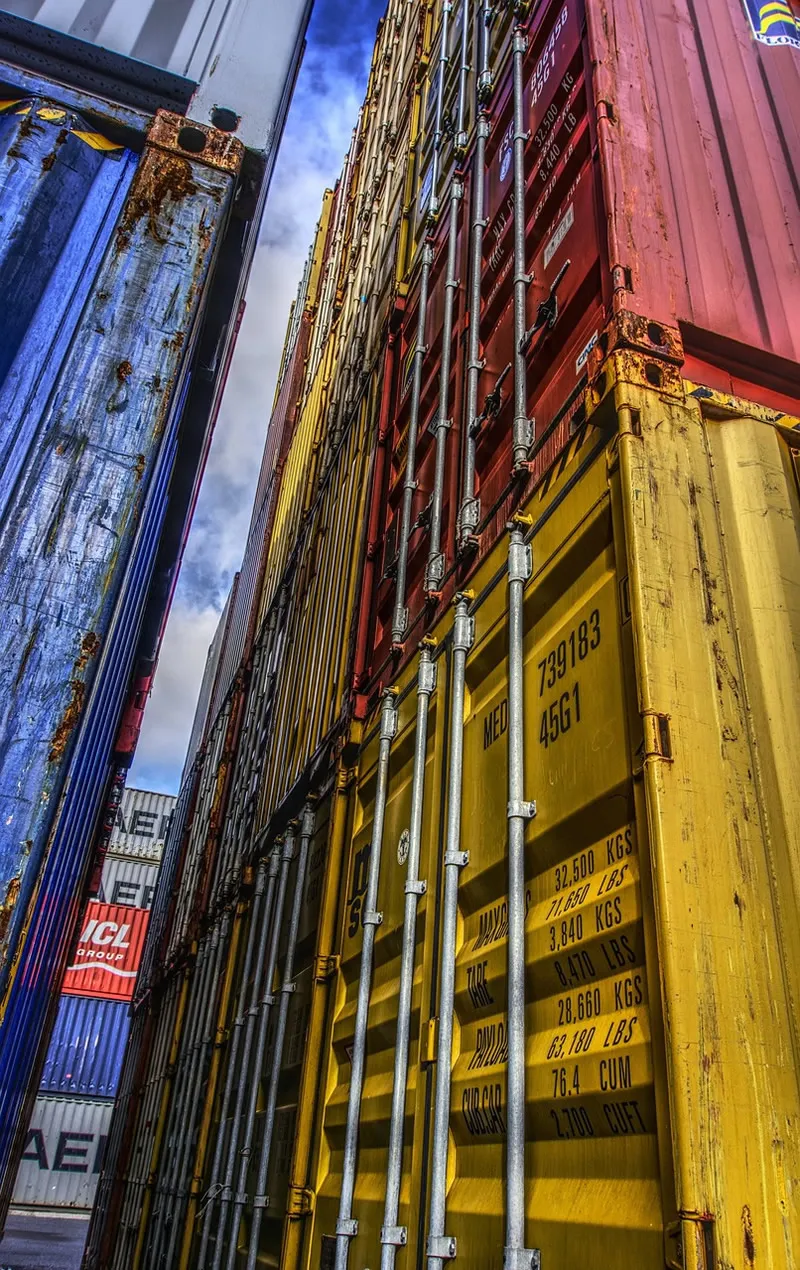
Customs brokerage fees typically consist of three parts:
- Basic Service Fees: Fixed costs such as declaration, document review, etc., accounting for about 30%-50% of the total.
- Additional Project Fees: Such as commodity classification dispute resolution, expedited clearance, etc., often charged by the hour or per instance.
- Hidden Costs: Grey expenditures like demurrage fees, amendment fees, or even 'relationship facilitation fees'.
Mr. Huang garment export enterprise once paid an additional 28,000 yuan for expert argumentation due to classification disputes. “These terms are never written on the quotation sheet,” she said with a wry smile.
II. The Mystery of Price Differences: Why Do Quotes Vary By 3 Times For The Same Shipping Route?
Comparing market research data from professional institutions like Zhongmaoda, key factors influencing quotes include:
- Service Granularity: The price difference between ordinary declarations and AEO-certified enterprise services can reach 40%.
- Risk Transfer: All-inclusive pricing models are usually 15%-20% more expensive than actual expense reimbursement.
- Channel Advantage: Agents with specific port resources can obtain lower inspection and facilitation fees.
An electronics component exporter switched to itemized billing and saved over 120,000 yuan annually on customs fees, but required dedicated personnel for coordination.
III. Practical Cost Reduction Strategies: From 'Sucker' to 'Savvy Buyer'
Strategy 1: Counter 'Vague Quotes' with Data
Demand that your agent provide an itemized list of fees for similar services over the past three years, paying special attention to the proportion of 'other fees'. A ceramics enterprise discovered through comparison that one agent's 'document processing fee' was actually three times the industry average.
Strategy 2: Dynamically Adjust Cooperation Models
Adopt an all-inclusive price during peak seasons to lock in costs, and switch to actual expense reimbursement during off-peak seasons. Zhongmaoda customer cases show that a hybrid model can reduce annual average costs by 18%.
Strategy 3: Cultivate Internal 'Semi-Experts'
Train 1-2 employees to master the basics of HS codes, which can reduce classification dispute costs by over 30%. As Mr. Huang said: “Now, if I see a customs broker declare a screwdriver as a 'precision instrument', I can immediately call them out.”
IV. Future Game: Digitalization is Reshaping Customs Fee Rules
Smart customs declaration systems can already automatically identify 95% of common commodity codes, but the increasing strictness of machine audits poses new challenges. Recently, an AI document review system at a local customs office linked historical declaration error rates of enterprises to inspection probabilities, meaning enterprises with high error rates face more frequent inspection fee expenditures. This reminds us: compliance costs are replacing relationship costs.
Standing at the new customs clearance crossroads, will export enterprises continue to be 'silent payers,' or will they proactively grasp the right to negotiate fees? Feel free to share your customs fee control tips in the comments section—after all, every penny saved is real profit.

Recent Comments (0) 0
Leave a Reply