Recently, Mr. Tian ordered a batch of equipment from overseas, expecting a smooth pick-up upon arrival at the port, but it got stuck in the customs clearance process. Due to unfamiliarity with the process, he not only paid extra demurrage fees but also nearly delayed the project schedule. In fact, situations like Mr. Tian are not uncommon. Import customs clearance may seem complex, but by mastering the correct methods, it can be completed efficiently. This article will provide a detailed analysis of the entire import customs clearance process to help you clear customs easily.
I. Core Process of Import Customs Clearance
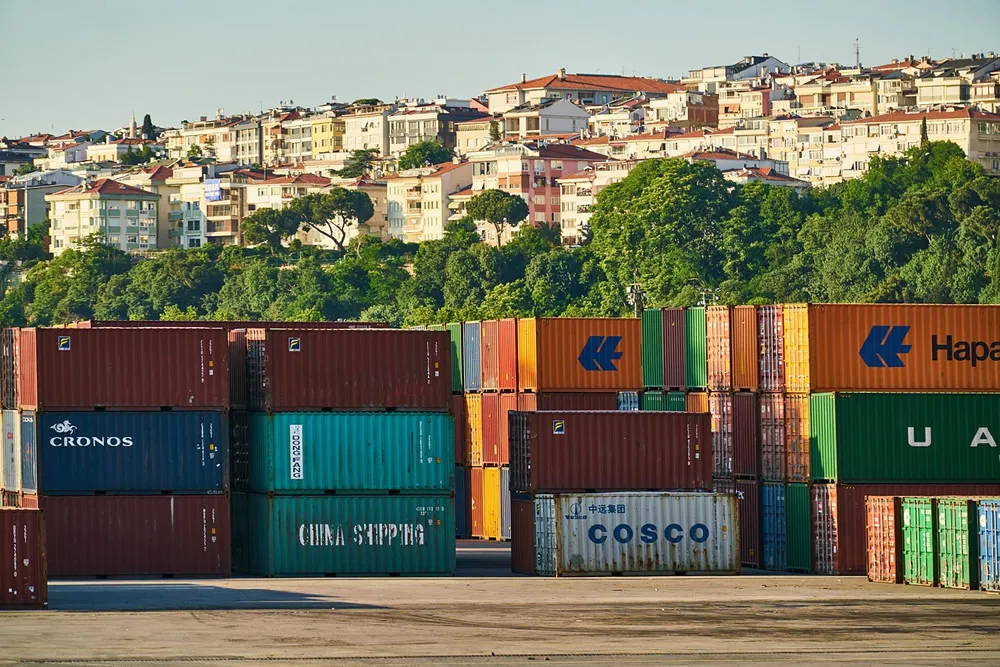
Import customs clearance is primarily divided into four stages: preliminary preparation, declaration and inspection, tax and fee payment, and cargo release. Each stage has critical points that require attention.
- Preliminary Preparation: Confirm commodity HS code, prepare complete documents (contract, invoice, packing list, etc.)
- Declaration and Inspection: Declare through the single window system; customs may conduct inspections
- Tax and Fee Payment: Pay tariffs, VAT, etc., according to the amount determined by customs
- Cargo Release: Pick up goods after completing all procedures
II. 3 Most Common Pitfalls
Mr. Tian recently encountered trouble. Her imported cosmetics were detained by customs due to incomplete ingredient labeling, and she had to pay additional rectification fees. According to case statistics from Zhongmaoda, the most common issues include:
- Incorrect commodity classification leading to tariff calculation discrepancies
- Incomplete documentation causing process delays
- Special goods without prior approval (e.g., medical devices requiring NMPA registration)
III. 5 Tips for Professional Customs Clearance
To complete customs clearance efficiently, consider these practical tips:
- Understand commodity regulatory requirements in advance, consult professionals if necessary
- Prepare complete commercial documents, including special certificates like certificates of origin
- Choose a reliable customs broker; professional agencies like Zhongmaoda can provide full-process services
- Pay attention to changes in customs policies, especially preferential policies like free trade agreements
- Allocate sufficient time to avoid extra costs incurred by expediting
IV. Handling Special Situations
What if the inspection is unsatisfactory? Mr. Wang's imported food was ordered to be returned due to labeling issues, and only after resubmitting the declaration with professional guidance was it successfully cleared. Suggestions:
- Immediately communicate a rectification plan with customs
- Seek technical support from professional agencies
- Apply for administrative reconsideration if necessary
Import customs clearance is like a meticulously planned journey; the more thorough the preliminary planning, the fewer troubles you encounter along the way. Do you also have unforgettable customs clearance experiences? Feel free to share your story in the comment section. If you find this article helpful, don't forget to save and share it to benefit more people!

Recent Comments (0) 0
Leave a Reply