On the stage of international trade, general trade export re-imports are like an unexpected "variable," tugging at the heartstrings of many enterprises. Imagine, after goods have traveled across the oceans and finally reached their destination, they must be returned for various reasons. The complex procedures, potential risks, and impact on enterprises involved are all worth in-depth exploration. Today, let us lift the mysterious veil of general trade export re-imports together.
What is General Trade Export Re-import?
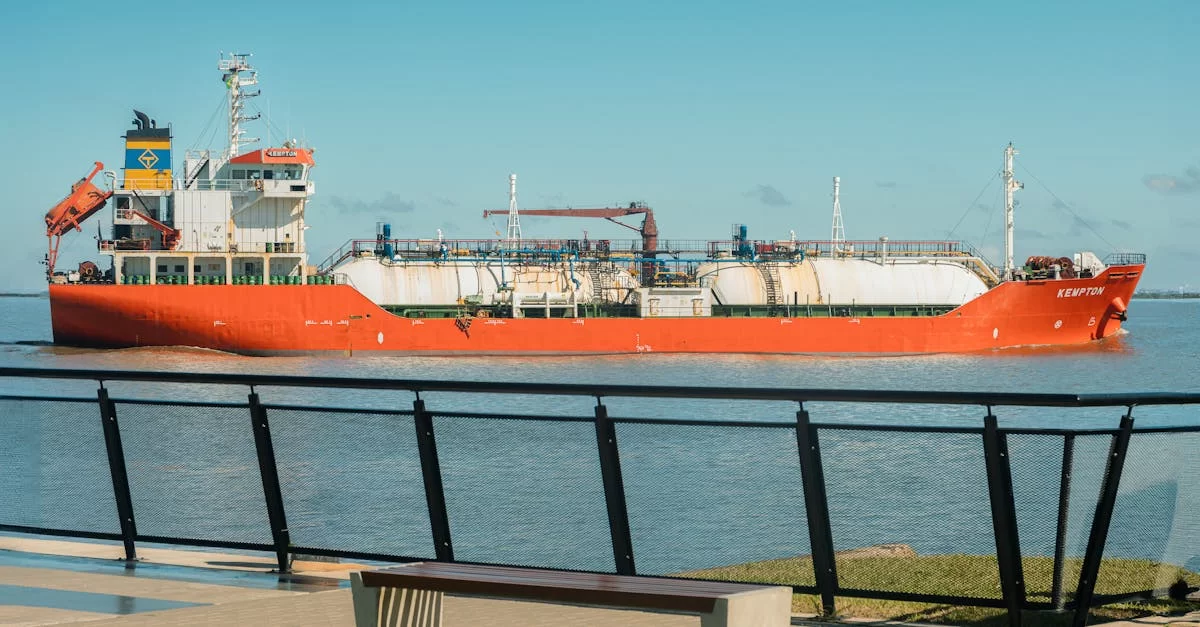
General trade export re-import, simply put, refers to the return of exported goods to the domestic country due to reasons such as non-conformity in quality, specifications, or market changes. This may seem like a mere reverse transportation of goods, but it involves numerous trade rules and customs regulations. For instance, when enterprises conduct general trade exports, they have already completed a series of procedures such as customs declaration and inspection. Re-importing means these processes need to be reversed, and each step has strict requirements.
Common Reasons for Export Re-import
Firstly, there are quality issues. If quality is not strictly controlled during the production process, and products are found to be unqualified after inspection upon arrival abroad, re-import is highly likely. For example, the electronics company where Mr. Zeng works once exported a batch of electronic products to Europe. Due to the battery life of some products not meeting the contracted standards, the customer demanded their return. Secondly, market changes are also a significant factor. The international market is constantly changing. If enterprises misjudge market trends, and demand for goods plummets after export, it can also lead to re-import. Mr. Zeng apparel company, for instance, exported a large quantity of a certain style of clothing based on a prediction that it would be popular, but market trends shifted, forcing them to return the goods to China. Additionally, non-conformity in specifications cannot be ignored; if the specifications of the exported goods do not match the contract, it will also trigger re-import.
Process and Precautions for General Trade Export Re-import
- Re-import Application: Enterprises must submit a re-import application to customs, detailing the reasons for re-import, cargo information, etc. The submitted documents must be truthful and accurate, otherwise, they may face customs penalties.
- Customs Approval: Upon receiving the application, customs will review the re-import situation. Enterprises should actively cooperate with customs and provide relevant supporting documents if required, such as quality inspection reports, contract agreements, etc.
- Customs Declaration Procedures: After approval, enterprises must complete the customs declaration procedures for the re-imported goods according to customs requirements. During this process, the customs declaration form must be filled out accurately, specifying the value, quantity, weight, and other information of the goods.
It is worth noting that the tax treatment of re-imports varies depending on the situation. If goods are returned in their original condition and re-imported within one year from the date of export due to quality or specification reasons, and after customs verification, no import duty or import-related taxes will be levied. However, if the period exceeds one year, or if the goods are not returned in their original condition, corresponding taxes and fees may be payable.
Response Strategies and Recommendations
To avoid losses caused by general trade export re-imports, enterprises should strengthen quality management at the source, establish a strict quality control system, and ensure that exported products meet standards. Simultaneously, they should enhance market research and analysis, improve sensitivity to market changes, and arrange production and export plans reasonably. When signing contracts, quality standards, inspection clauses, re-import responsibilities, and other content should be clearly defined to reduce re-import risks. If re-import unfortunately occurs, enterprises should remain calm and actively communicate and cooperate with customers, freight forwarders, customs brokers, etc., and handle the situation properly according to the prescribed procedures.
Although general trade export re-imports are full of challenges, as long as enterprises understand the rules, prevent risks in advance, and respond properly, they can move forward steadily in the complex international trade environment. It is hoped that all enterprises can learn from experience in this "re-import test," enhance their competitiveness, and broaden their international trade path.

Recent Comments (0) 0
Leave a Reply