Hey, all foreign trade practitioners! Today we're going to talk about something that can make many business owners' eyes light up – export tax rebates. This is like a hidden benefit in foreign trade business, and if seized properly, it can bring substantial real money to the company. So, let's delve into how to apply for export tax rebates together.
I. Basic Conditions for Export Tax Rebates
Firstly, the goods must be within the scope of value-added tax and consumption tax collection. Most common foreign trade goods, such as general industrial products and processed agricultural products, fall within this scope. If they are not within this collection scope, then export tax rebates cannot be enjoyed.
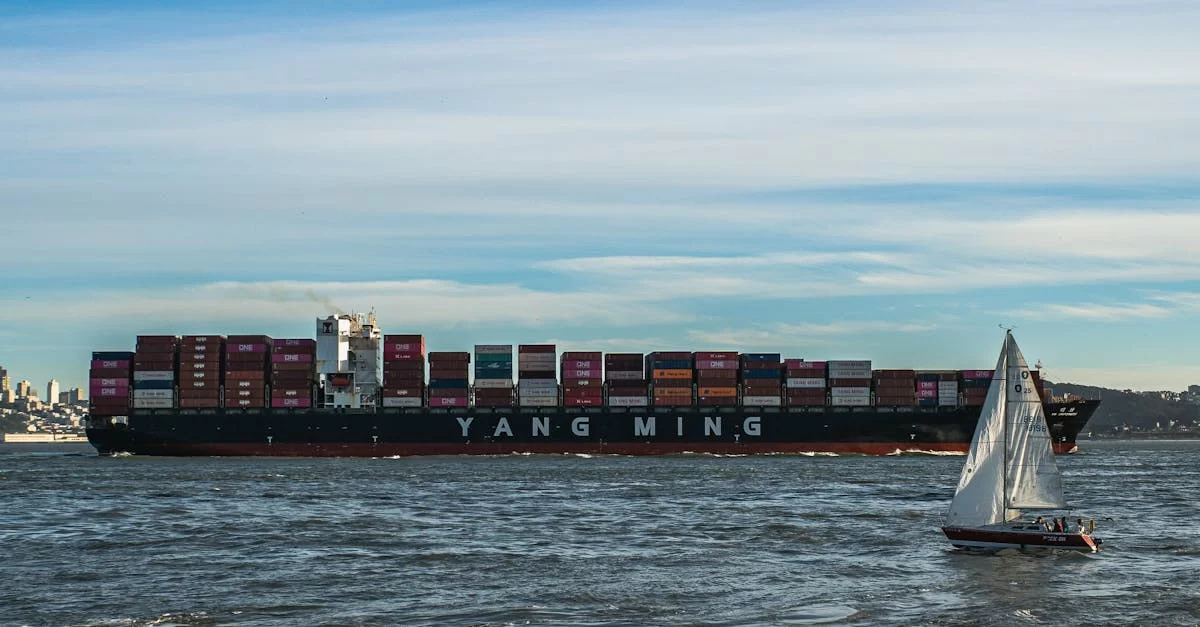
Secondly, the goods must be declared for export and have left the country. This means the goods must have actually left our country's customs and been shipped abroad. If they are only circulated within the country, even if sold to a foreign-funded enterprise's factory within China, they do not meet the conditions.
Finally, the goods must be treated as export sales in accounting. The company must clearly record these exported goods as sales in its accounts in accordance with relevant financial regulations, which lays the foundation for subsequent tax rebate procedures.
II. Prepare All Necessary Documents
- Customs Declaration Form. This is an important voucher for goods export, detailing information about the goods, port of export, mode of transport, etc. Ensure the information on the customs declaration form is accurate and complete.
- Export Sales Invoice. This is a key document proving the company's export sales revenue. It must be issued in the prescribed format, with complete and clear content.
- Purchase Invoice. This proves the cost of goods purchased by the company and is an important basis for tax rebate review.
- Remittance Certificate or Notice of Remittance. As export business often involves foreign currency income, this proves that the company has indeed received foreign currency payments.
- For goods directly exported or commissioned for export by manufacturers, if settled on a Cost, Insurance, and Freight (CIF) basis, the export cargo waybill and export insurance policy should also be attached. These further complete the relevant supporting materials for the entire export business.
III. Follow the Application Process
Step one: Companies must first complete the export tax rebate qualification filing. Relevant filing materials, such as a copy of the company's business license and a copy of the tax registration certificate, must be submitted to the local competent tax authority. After the tax authority approves the application, the company will obtain the qualification to apply for export tax rebates.
Step two: This is the formal declaration stage. Companies must, within the prescribed declaration period, use methods such as the electronic tax bureau or visit the tax service hall to fill out the export tax rebate declaration forms as required and upload all previously prepared documents. Be meticulous here, as any small error can lead to the rejection of the application or delay the tax rebate progress.
Step three: The tax authority will review the declarations submitted by the company. They will carefully verify the authenticity and completeness of the documents and whether all data complies with regulations. If any issues are found, the company will be notified to supplement or correct them. The company must promptly handle these issues as required, otherwise, it will affect the tax rebate.
Step four: After the review is completed and found to be correct, the tax authority will issue the tax rebate amount to the company's designated bank account according to regulations. At this point, the company can happily receive the tax rebate, and it will feel that all the hard work of preparation was worth it.
IV. Don't Overlook Precautions
During the export tax rebate application process, there are still some minor details to pay attention to. For example, the declaration deadline must be remembered. Missing it can be troublesome, and you may not be able to enjoy the tax rebate for that period. Also, the preparation of documents must be complete and accurate; if the review fails due to document issues, it will be time-consuming and labor-intensive to go back and forth. In addition, the company's own financial accounting must be standardized; if the financial accounts are chaotic, it will also bring many obstacles to the tax rebate application.
Alright, that's all for the introduction on how to apply for export tax rebates. I hope all foreign trade partners can smoothly handle their export tax rebates, making their companies more competitive in the international market and earning more money. If you have any questions or insights during the application process, feel free to leave a comment and share, so we can all make foreign trade business even more prosperous!

Recent Comments (0) 0
Leave a Reply