For many enterprises engaged in foreign trade, export tax rebates are a crucial policy benefit that can effectively reduce costs and enhance the competitiveness of products in the international market. Simply put, export tax rebates refer to the refund of value-added tax and consumption tax paid in domestic production and circulation stages as stipulated by tax laws, for goods declared for export in international trade. This means that the export stage is tax-exempt, and the taxes paid in previous taxable stages are refunded. This is akin to paving a green channel for businesses in their foreign trade journey, allowing them to embark with less burden.
Which Enterprises Can Apply for Export Tax Rebates?
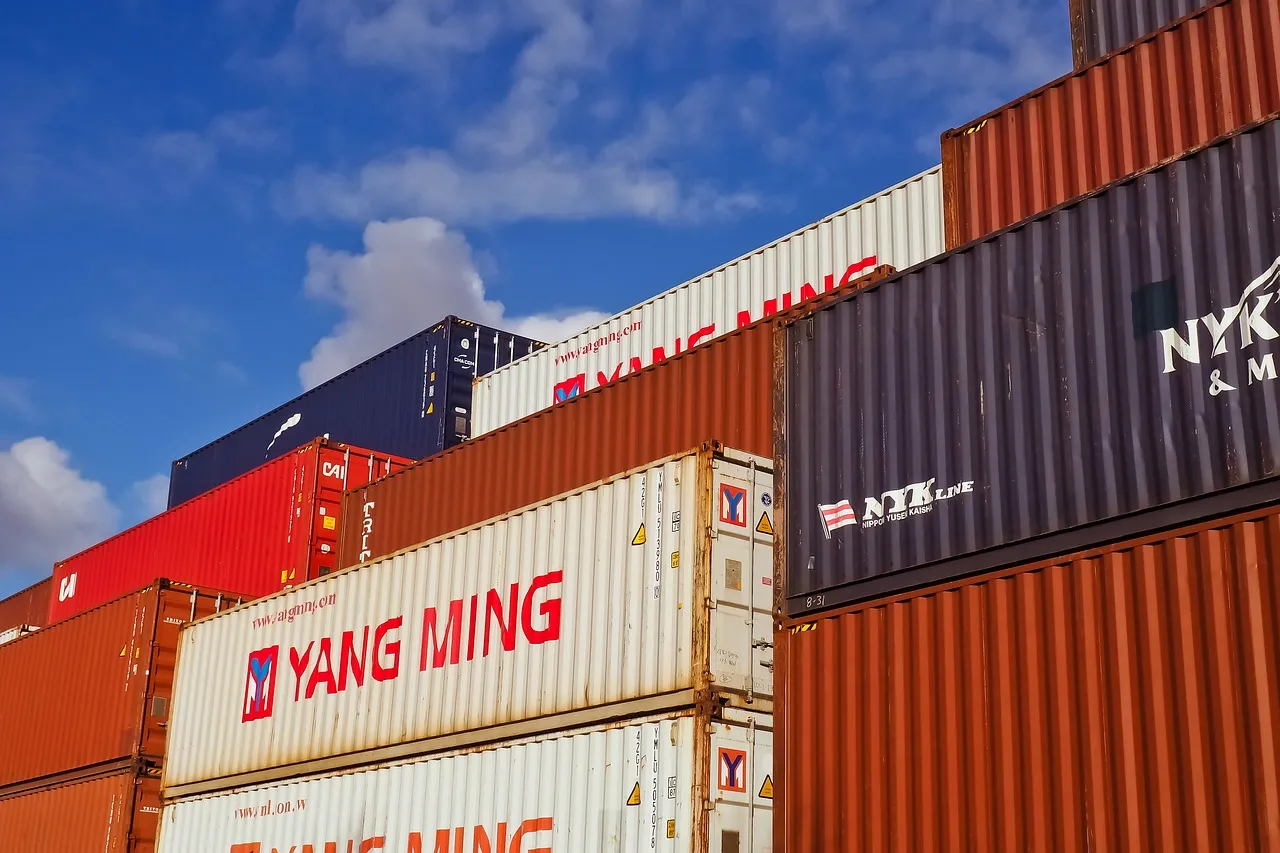
Generally speaking, enterprises with import and export rights, including foreign trade enterprises and manufacturing enterprises, can apply for export tax rebates as long as their exported goods meet the relevant regulations. In addition, some specific enterprises, such as manufacturing enterprises that entrust foreign trade enterprises to act as agents for exporting their self-produced goods, and other enterprises that do not have import and export rights but have completed the qualification recognition for export goods tax rebates (exemptions), are also eligible to apply.
The Process of Applying for Export Tax Rebates
The first step is qualification recognition. Enterprises must apply to the local tax authority responsible for tax rebates for export goods within 30 days of obtaining import and export rights or commencing export business. This step is like obtaining an entry ticket; only after completing the recognition can enterprises be eligible to participate in the "game" of export tax rebates.
The second step is export customs declaration. When enterprises export goods, they must truthfully fill out export declarations and other relevant documents, ensuring their authenticity and accuracy. The information on the customs declaration form, such as the name, quantity, and value of the goods, is closely related to subsequent tax rebates.
The third step is foreign exchange collection and verification. After exporting goods, enterprises must collect foreign exchange in a timely manner according to regulations and complete foreign exchange verification procedures. Only by completing foreign exchange collection and verification can the authenticity and validity of the enterprise's export business be proven, and this is also one of the important stages of tax rebate review.
The final step is tax rebate declaration. Enterprises must, within the prescribed declaration period, collect all tax rebate supporting documents such as export customs declarations and special VAT invoices. They should use the export tax rebate declaration system to generate electronic declaration data and declare tax rebates to the competent tax authority. After the competent tax authority reviews and approves the application, it will proceed with the tax rebate procedures for the enterprise according to regulations.
Key Points to Note When Applying for Export Tax Rebates
First is the time limit. Enterprises must strictly adhere to the time requirements for each stage, such as the 30-day limit for qualification recognition and the deadline for tax rebate declaration. Exceeding these deadlines may result in the inability to enjoy the tax rebate policy.
Second is the accuracy and completeness of the data. The materials submitted for tax rebate declaration must be true, accurate, and complete. Any false or erroneous information may lead to tax rebate risks and even penalties.
Third is attention to policy changes. Export tax rebate policies are subject to adjustments based on factors such as the national economic situation. Enterprises should pay timely attention to policy changes to better leverage policy benefits.
Export tax rebates are a complex but significant task for enterprise development. Only by deeply understanding relevant policies and strictly following the operational procedures can enterprises successfully apply for export tax rebates and gain more opportunities for their own development. It is hoped that all practitioners in foreign trade enterprises will attach importance to and make good use of this policy to open up a broader horizon in the international market.

Recent Comments (0) 0
Leave a Reply