On the global trade stage, export tax rebate policies are like a gentle breeze, alleviating tax burdens for businesses and injecting vitality. However, for many companies, handling export tax rebates independently is complex and requires high professional standards, leading to the emergence of export tax rebate agency services. But a common question on everyone's mind is: what are export tax rebate agency fees really like?
Factors Influencing Export Tax Rebate Agency Fees
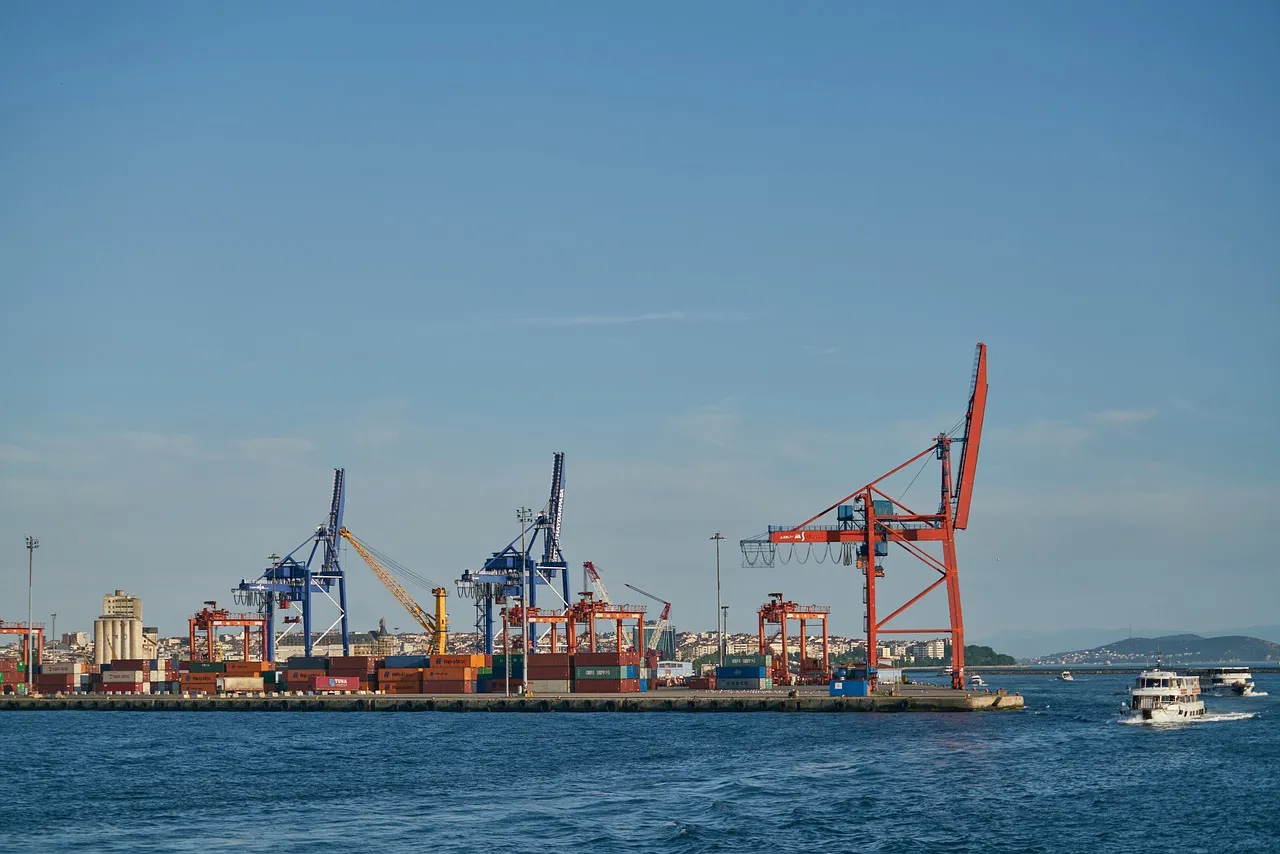
Firstly, the scale of a company's export business is a key factor. If a company has frequent export transactions involving large sums, the workload for processing tax rebates naturally becomes heavy. For example, a large foreign trade enterprise exporting goods worth millions of US dollars monthly will have numerous documents involved in tax rebate declarations. The agency needs to invest more human resources and time in reviewing and declaring, resulting in relatively higher fees.
Secondly, the complexity of the business cannot be overlooked. Export businesses involving special products or special trade methods, such as processing trade and cross-border e-commerce exports, have more complex applicable tax rebate policies and operations. Agencies need to thoroughly research policies to ensure compliant tax rebate processing, which undoubtedly increases service costs and is reflected in higher agency fees.
Furthermore, regional differences also affect pricing. Different regions have varying economic development levels and labor costs, leading to fluctuations in agency fees. In first-tier cities like Beijing and Shanghai, where labor costs are high, agency fees might be relatively higher. In some second and third-tier cities, costs are relatively lower, making agency fees more affordable.
Common Fee Structures for Export Tax Rebate Agencies
One common model is charging a certain percentage of the tax rebate amount. For instance, an agency might charge a fee of 3% to 8% of the rebate amount. If a company successfully obtains a tax rebate of 1 million yuan, they would pay 50,000 yuan in agency fees at a 5% rate. This approach is directly linked to the company's tax rebate amount; the more a company rebates, the higher the agency fee. However, it also incentivizes the agency to strive for greater tax rebates for the company.
Another is the fixed fee model. For companies with relatively simple businesses and stable export volumes, agencies may charge a fixed annual or monthly agency fee based on the estimated workload. For example, a fixed monthly fee of 3,000 yuan is charged, regardless of the monthly tax rebate amount. This model makes it easier for companies to budget costs and is suitable for businesses with little fluctuation in their tax rebate amounts.
How to Choose a Cost-Effective Export Tax Rebate Agency
When choosing an agency, companies should not focus solely on price. It's crucial to assess the agency's professional capabilities, checking if they have a professional tax team and their understanding and grasp of tax rebate policies. For example, companies can ask the agency to provide past successful cases to understand their ability to handle complex businesses.
Simultaneously, service quality is paramount. High-quality agencies communicate the tax rebate progress promptly with the company, answer questions, and ensure a smooth tax rebate process. For instance, Zhongmaoda has earned a good reputation in the industry for its efficient and professional services.
In conclusion, export tax rebate agency fees are influenced by various factors. Companies should comprehensively consider the agency's professional capabilities, service quality, and pricing to choose the partner that best suits them, allowing export tax rebate policies to truly aid business development. In the wave of international trade, effectively utilizing export tax rebate agency services is a crucial step for companies to enhance their competitiveness. It is hoped that all business operators can make wise decisions in this regard, driving their companies forward.

Recent Comments (0) 0
Leave a Reply