In the field of corporate finance, we often encounter concepts that can be a bit confusing, and export tax rebates are one of them. Many business owners and finance professionals have pondered whether export tax rebates are actually corporate taxes. Today, let's delve into this matter thoroughly to give you a crystal-clear understanding.
I. Export Tax Rebates: First, Understand What They Are
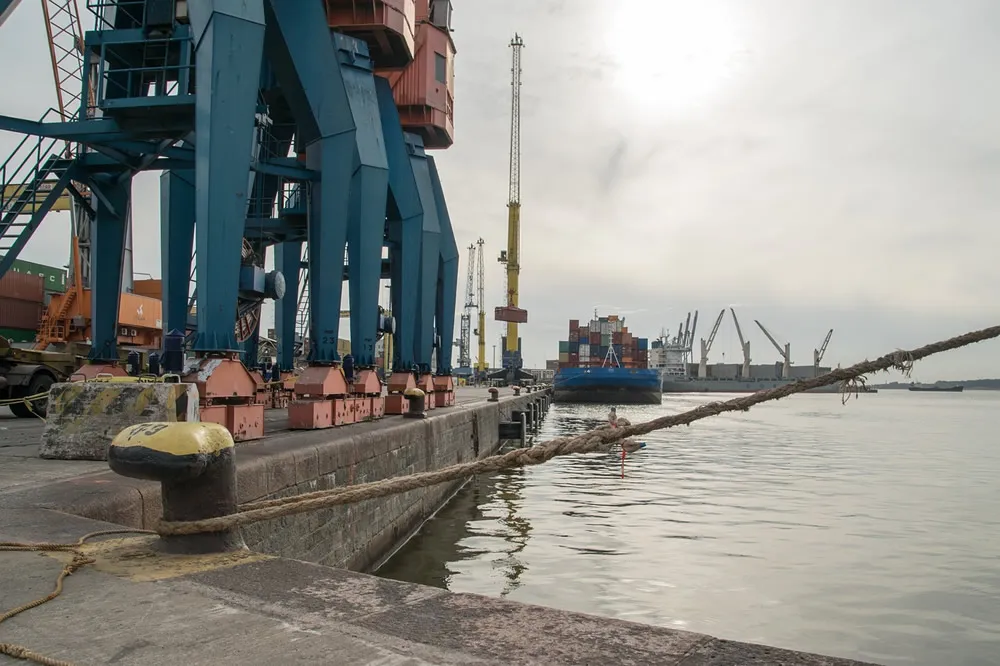
Simply put, export tax rebates are a policy implemented by the state to encourage businesses to sell products abroad, thereby enhancing the competitiveness of domestic products in the international market. This policy involves refunding the value-added tax, consumption tax, and other taxes actually paid during the domestic production and circulation stages for exported goods. For example, Zhongmaoda Company produces a batch of products for export. They have already paid certain taxes, such as value-added tax, during the domestic procurement of raw materials and production and processing stages. Once these products are successfully exported and meet the relevant regulations, they can apply to have a portion of the previously paid taxes refunded. For businesses, this is a tangible inflow of capital that can alleviate financial pressure to some extent.
II. Their Relationship with Corporate Taxes
In essence, export tax rebates do not count as corporate taxes. Corporate taxes generally refer to the various taxes that enterprises are required to pay to the state according to national tax laws, such as value-added tax, corporate income tax, and consumption tax. These taxes are an expenditure for the company, representing money that is genuinely paid out from the company's coffers to the state. Export tax rebates, on the other hand, are a refund from the state of a portion of the taxes previously paid by the company. It is an embodiment of tax incentive policies, a means of support from the state for export enterprises, and not part of the tax burden that businesses must bear. It's akin to the state temporarily withholding a portion of the company's funds for domestic circulation tax management, and then returning this portion to the company once the products are exported and conditions are met, encouraging more export business.
Let's take an example: Mr. Xu company was supposed to pay 100,000 yuan in value-added tax this month. However, because a portion of their products were exported and met the export tax rebate policy, after calculation, they could receive a refund of 30,000 yuan in value-added tax. Therefore, the actual value-added tax burden borne by Mr. Xu company this month is 70,000 yuan. The refunded 30,000 yuan cannot be considered a corporate tax expense; rather, it is a policy benefit enjoyed by the company due to its export business.
III. The Significance of Export Tax Rebates for Businesses
- Firstly, the most obvious benefit is financial. Businesses can recover previously paid taxes, leading to more ample working capital, which can be used for expanding production, developing new products, or exploring new markets, thus playing a significant role in the company's development.
- Secondly, from the perspective of market competition, export tax rebates can reduce the cost of exported products, making them more competitive in terms of price in the international market. This allows businesses to more easily establish a foothold in the international market, secure more orders, and enhance their international influence.
- Finally, it also reflects the state's supportive stance towards export enterprises, giving them more confidence and motivation to expand their overseas business and promoting the internationalization process of enterprises.
IV. Businesses Must Emphasize the Rational Utilization of Export Tax Rebate Policies
Given the numerous benefits of export tax rebates, businesses must pay close attention to them. They should carefully study relevant policies and regulations to ensure their export business meets the conditions for rebates and to accurately and timely apply for these rebates. Don't miss out on these excellent policy benefits due to minor procedural oversights or a lack of understanding of the policies. Mr. Xu company initially did not pay much attention to export tax rebate applications and consequently lost a considerable amount of refundable taxes. Later, with guidance from professional personnel, they improved their application process and now successfully receive significant rebate funds annually, leading to enhanced business development.
In summary, export tax rebates are not corporate taxes; they are a "generous gift" from the state to export enterprises. Businesses should fully embrace this benefit to help them navigate the international market successfully and achieve better development. If you have any further questions or thoughts on export tax rebates, feel free to leave a comment in the discussion section.

Recent Comments (0) 0
Leave a Reply