In today's global e-commerce wave, e-commerce export companies are emerging like mushrooms after a rain. However, while many companies are pursuing sales growth, they overlook a potential source of enormous profit – tax rebates. This article will unveil the mystery of tax rebates for e-commerce export companies and guide you to explore this yet to be fully tapped treasure trove.
Tax Rebates: Why So Important
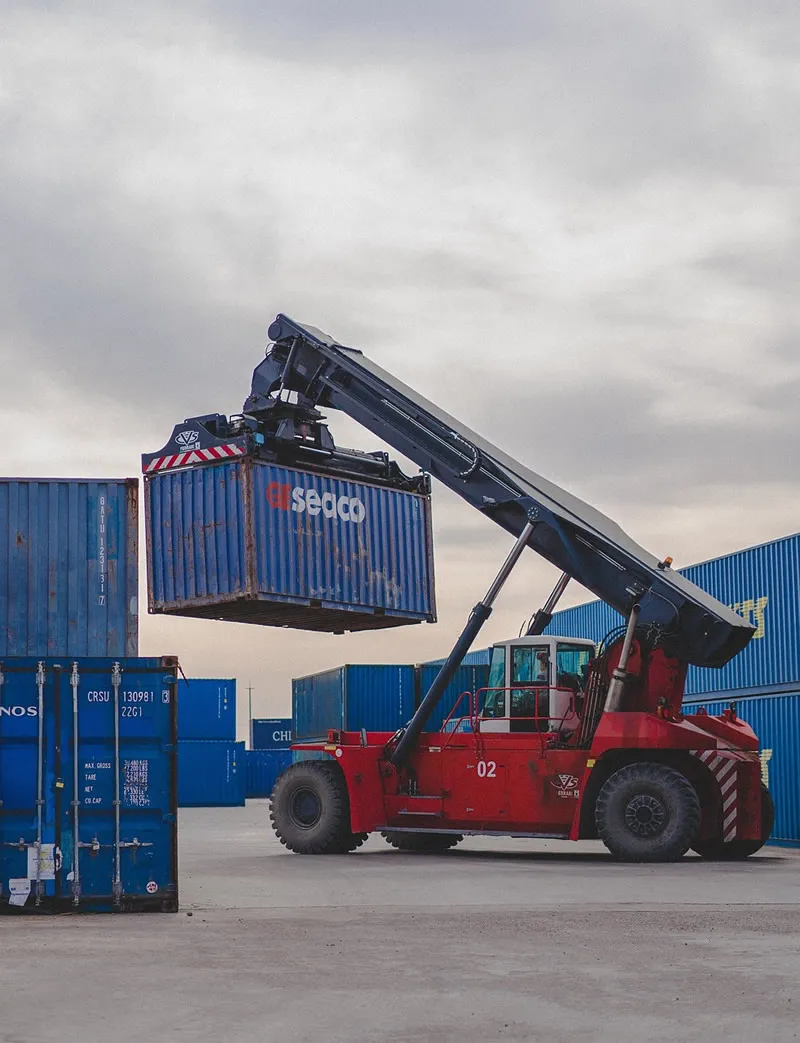
For e-commerce export companies, tax rebates are a crucial link in reducing costs and increasing profit margins. Take Mr. Guo e-commerce export company as an example. After correctly operating the tax rebate process, its product costs were significantly reduced, and its price competitiveness in the international market was greatly enhanced. The tax rebate policy is essentially a form of fiscal support provided by the state to encourage exports, refunding the value-added tax and consumption tax actually paid in the domestic production and circulation stages of exported goods. This refunded tax undoubtedly adds extra cash flow to the enterprise, which can be used for expanding production, R&D innovation, etc., helping the enterprise to forge ahead in the international market.
A Comprehensive Analysis of the Tax Rebate Process
First, e-commerce export companies need to undergo qualification identification. Relevant documents, such as business licenses and foreign trade operator filing registration forms, must be submitted to the local tax authorities to ensure that the company meets the basic conditions for tax rebates. Mr. Guo company was particularly cautious in this step, preparing thoroughly and successfully passing the qualification identification.
Second, it is necessary to collect the documents required for tax rebates in a timely manner after the goods are exported. These include export customs declarations, export invoices, and purchase invoices. These documents are important bases for applying for tax rebates and must be guaranteed to be genuine, complete, and accurate.
Then comes the tax rebate declaration stage. Companies need to log in to the tax rebate declaration data through platforms such as the electronic tax bureau, in accordance with the prescribed format and requirements, and submit relevant documents. The tax authorities will review the declaration data. After the review is approved, the company will successfully receive the tax rebate.
Common Problems in Tax Rebates and Their Solutions
E-commerce export companies often encounter various problems during the tax rebate process. For example, document discrepancies may be caused by non-standard invoice issuance or errors in customs declaration information. The solution is to strengthen internal management, standardize the process of issuing and collecting documents, and maintain close communication with suppliers, freight forwarders, etc., to ensure the accuracy of information.
There are also troubles caused by changes in tax rebate policies. Tax rebate policies will be adjusted according to the national economic situation and foreign trade policies. Enterprises need to pay timely attention to policy dynamics, strengthen communication with tax authorities, and participate in relevant training to adjust tax rebate strategies in a timely manner and ensure that their own interests are not affected.
Seize Tax Rebate Opportunities to Help Enterprises Soar
The tax rebate policy for e-commerce export companies provides rare opportunities for enterprise development. Enterprises should actively study tax rebate policies, standardize internal management processes, and fully utilize tax rebate benefits to enhance their market competitiveness. Whether it is expanding market share or increasing R&D investment, the financial support provided by tax rebates will lay a solid foundation for the long-term development of enterprises. Let's take action, seize this powerful weapon of tax rebates, and create more brilliant achievements in the vast world of e-commerce exports!

Recent Comments (0) 0
Leave a Reply