In today's globalized world, imported goods have become a common part of our lives. Whether it's exquisite foreign cosmetics or high-end electronic products, they all rely on a crucial link to smoothly enter the domestic market—handling import declaration procedures. This seemingly complex process is actually not that daunting if you grasp the key points. Today, let's delve deeper into the matters concerning handling import declaration procedures.
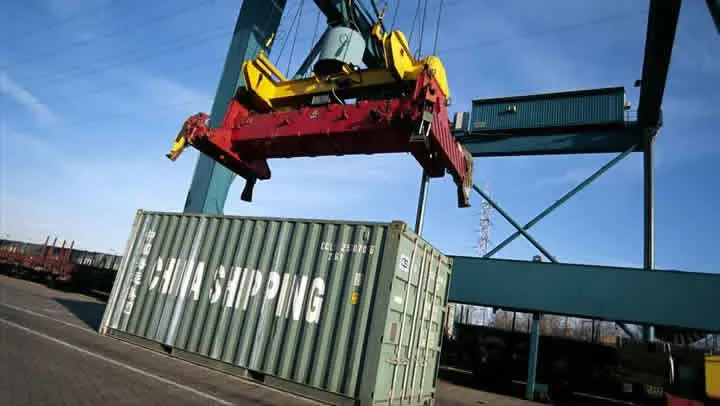
I. The Importance of Import Declaration Procedures
First, we need to understand why handling import declaration procedures is so important. For businesses, it is a prerequisite for legally and compliantly conducting import business. Only after completing the customs declaration procedures can imported goods smoothly enter the domestic circulation field; otherwise, they may face various problems such as cargo detention and fines, which severely affect the business performance of the enterprise. From a national perspective, customs declaration procedures ensure that imported goods comply with relevant quality and safety standards, protect the rights and interests of domestic consumers, and facilitate the statistics and supervision of import and export trade. Therefore, whether for the sake of the enterprise's own development or to maintain market order, handling import declaration procedures cannot be overlooked.
II. Basic Procedures for Handling Import Declaration
- Preparing Declaration Documents: This is the first and a crucial step in handling customs declaration procedures. The documents typically required include the commercial invoice, bill of lading, packing list, and contract for the imported goods. It is essential to ensure these documents are accurate, as even a minor error can obstruct the customs declaration process. For example, the description and amount of goods on the commercial invoice must match the actual goods, and the bill of lading must clearly indicate the transportation status of the goods.
- Declaration: After preparing the documents, you need to declare to the customs. There are various ways to declare, including online platforms such as the electronic port, or by going to the customs office in person. When declaring, you must fill in the relevant information in accordance with the format and requirements specified by the customs, truthfully declaring the type, quantity, value, and other details of the goods.
- Inspection: After receiving the declaration, the customs may inspect the goods. This is to verify the authenticity and accuracy of the declared information. If selected for inspection, the enterprise must actively cooperate with customs officers and provide necessary assistance, such as opening containers and presenting relevant documents.
- Tax Payment: Depending on the type of imported goods, tax rates, and other factors, relevant taxes and fees need to be paid. Only after the taxes and fees are paid in full can the goods be released. Enterprises should promptly understand the relevant tax policies and accurately calculate the taxes payable to avoid delays in goods due to tax issues.
- Release: After completing the above steps and everything complies with customs requirements, the goods can be smoothly released. At this point, the imported goods can officially enter the domestic market for sale or use.
III. Precautions for Handling Import Declaration Procedures
During the process of handling import declaration procedures, there are some additional points that require special attention. Firstly, time management. Different stages have their own time limits, such as declaration deadlines and payment deadlines for taxes. Missing these deadlines can lead to unnecessary trouble. Secondly, cooperation with customs brokers. If your company is not very familiar with customs declaration procedures, you can choose to cooperate with professional customs brokers, such as reliable agencies like Zhongmaoda, which have rich experience and professional teams to help companies complete the declaration procedures more smoothly. However, when choosing a customs broker, you should also consider their qualifications and reputation. Thirdly, continuous attention to policies and regulations. Policies and regulations related to import and export trade may be adjusted and change constantly. Enterprises must stay informed of the latest developments to comply with new requirements when handling customs declaration procedures.
IV. Conclusion
Although handling import declaration procedures involves multiple steps and has a certain complexity, as long as we fully understand its importance, are familiar with the basic procedures, and pay attention to the relevant matters, we can complete this important task relatively smoothly. Whether it is a business or an individual involved in import business, customs declaration procedures must be taken seriously to ensure that imported goods can legally and compliantly enter the domestic market and realize their due value. We hope that through today's introduction, you have gained a clearer understanding of handling import declaration procedures, and you are welcome to share your relevant experiences or questions in the comment section.

Recent Comments (0) 0
Leave a Reply