"Mr. Wang recently received an overseas order but got stuck in the goods export process – the customs declaration form was filled out incorrectly and returned, ocean booking schedules were delayed, and he almost faced penalty fees..." Such scenarios are not uncommon in cross-border trade. Statistics show that over 60% of foreign trade novices incur additional costs due to unfamiliarity with the rules during their first independent export operation. This article will systematically break down the entire export process with freight forwarders to help you avoid those "golden" pitfalls.
I. Three Preparatory Actions Before Export
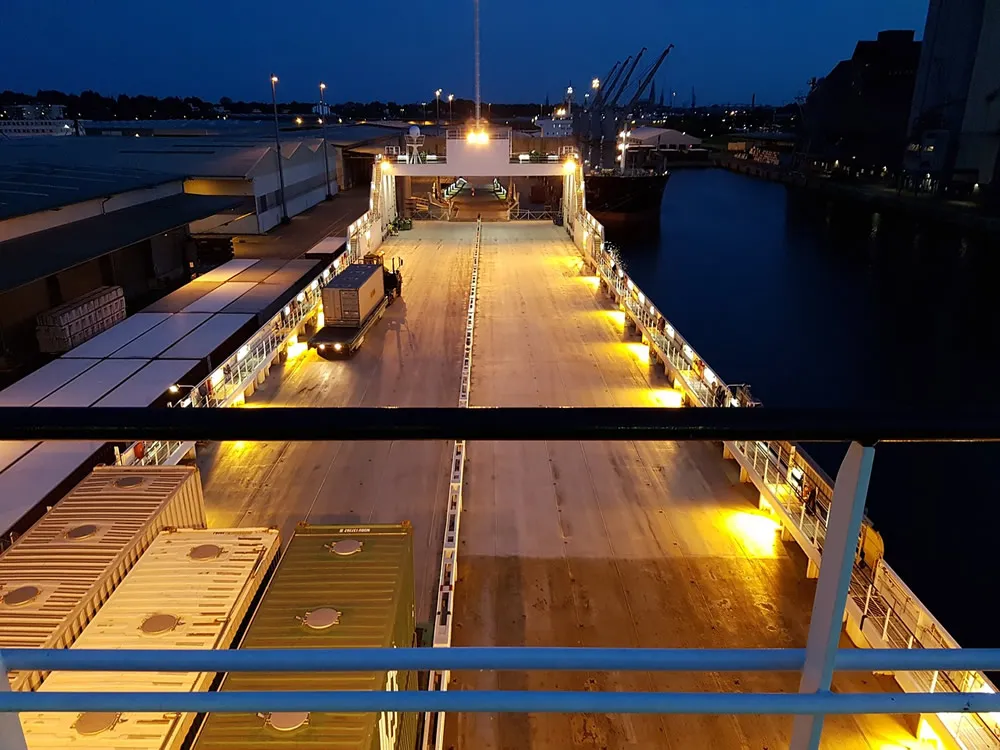
Exporting with a freight forwarder is by no means simply "finding a logistics company to ship goods"; preparatory work directly impacts the smoothness of subsequent steps:
- Document Compliance Check: Commercial invoices, packing lists, and contracts must be completely consistent with customs declaration information. Mr. Wang once experienced a 5-day customs clearance delay due to a discrepancy in the decimal places of the invoice amount.
- Confirmation of Special Cargo Attributes: Chemicals require MSDS certification, lithium batteries need UN38.3 test reports, and food products require sanitary permits.
- Choice of Trade Terms: The division of responsibilities between FOB and CIF differs greatly. It is recommended to confirm risk-sharing plans with Zhongmaoda professional consultants.
II. Six Key Steps in the Core Operational Process
From entrusting the freight forwarder to the goods departing, critical steps are interlinked:
- The Art of Booking Negotiation: Apply for space 7-10 days in advance during peak seasons, paying attention to the fluctuations in ocean freight's "GRI" (General Rate Increase surcharge).
- Key Points of Container Loading Supervision: The loading supervisor must verify that the container number matches the customs declaration form. One company had its entire container of goods detained by customs due to an incorrect container number entry.
- The Golden Combination of Customs Declaration Documents: Electronic declaration of the "three certificates in one" – customs declaration form, verification form, and permit. Currently, 98% of ports have achieved "paperless customs clearance."
III. Hidden Minefields That Are Easily Stepped On
Numerous professional details are hidden within seemingly simple processes:
- HS Code Trap: Different materials of the same product may correspond to different tax codes. A furniture exporter was required to pay an additional 120,000 yuan in taxes for mistakenly declaring "solid wood" as "board material."
- Standardization of Mark Information: Must include the port of destination, number of packages, and gross weight, and the height must not exceed 5cm, otherwise, it may be rejected by the shipping company.
- Insurance Blind Spot: Under FOB terms, the shipper is responsible for purchasing "warehouse-to-warehouse" clause insurance to avoid claims disputes for accidents that occur before loading onto the ship.
IV. Process Optimization in the Digital Age
With the development of smart customs, these tools can improve efficiency threefold:
- Zhongmaoda's "Customs Clearance Robot" can automatically verify 106 customs declaration data rules.
- The blockchain traceability system enables second-level verification of documents such as bills of lading and certificates of origin.
- AI container loading algorithms help increase utilization from 68% to 92%.
Next time you see a container ship leaving the port, you might recall this process guide. Exporting with freight forwarders is like a precisely coordinated symphony, where any mistake in a link can become an expensive "tuition fee." Have you encountered any unexpected situations due to an unfamiliar process? Feel free to share your practical experiences in the comment section.

Recent Comments (0) 0
Leave a Reply