In today's increasingly prosperous global trade, cross-border transportation of goods has become more frequent. For many export enterprises, freight forwarders play a crucial role. So, what kind of complex yet orderly business process does freight forwarder export entail? Today, let's delve deeper into it together.
Accepting Commission
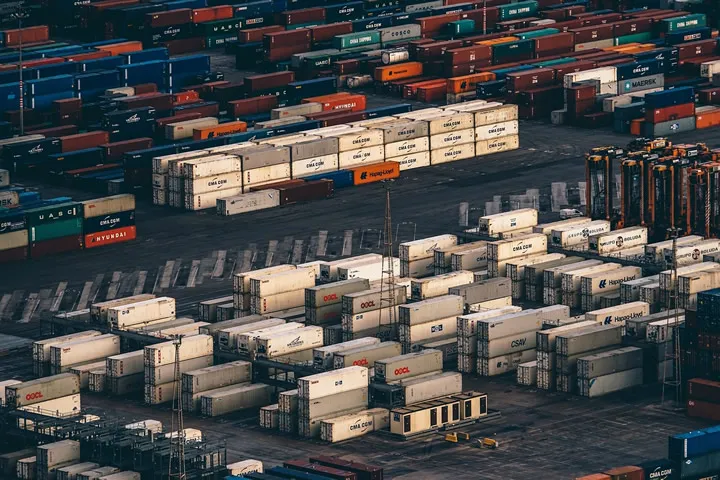
This is the starting point of the business. The exporter (usually referred to as Mr. Lu or Mr. Lu) will submit a commission request to the freight forwarder Zhongmaoda. Zhongmaoda will communicate thoroughly with the exporter to understand all types of information about the goods, such as the name, quantity, weight, volume, packaging type, port of loading, port of destination, and estimated shipping time. Only by grasping this precise information can Zhongmaoda lay the foundation for subsequent transportation plan formulation.
Booking Space
Based on the obtained cargo and transportation information, and combined with its understanding of the shipping market, Zhongmaoda books space with suitable shipping companies. In this (link), Zhongmaoda needs to consider factors such as whether the sailing schedule matches the exporter's needs and whether the freight rate is reasonable. After communicating and negotiating with the shipping company, booking confirmation is obtained, clarifying key booking information such as the vessel name, voyage, and bill of lading number.
Arranging Transportation
After booking is completed, Zhongmaoda begins to arrange inland transportation of the goods from the exporter's warehouse to the pier. For full container loads, Zhongmaoda will arrange for container trailer trucks to go to the location designated by the exporter for stuffing; for less than container load (LCL) shipments, vehicles will be arranged to transport the goods to the designated LCL warehouse for consolidation operations. At the same time, Zhongmaoda also needs to closely monitor the transportation process to ensure that the goods arrive at the pier on time and safely.
Customs Declaration and Inspection
After the goods arrive at the pier, Zhongmaoda must promptly handle customs declaration and inspection procedures. First, all necessary documents for customs declaration, such as commercial invoice, packing list, customs declaration form, and contract, are organized and prepared. The detailed information of the goods is declared to the customs. Upon verification and approval by the customs, the goods are released. If the goods belong to categories that require inspection and quarantine, Zhongmaoda also needs to declare to the inspection and quarantine department in advance to obtain the relevant inspection and quarantine certificates.
Loading and Shipping
After the goods pass customs declaration and inspection, the loading notification from the shipping company is awaited. Upon receiving the notification, Zhongmaoda, in coordination with pier operational personnel, loads the goods onto the designated vessel according to the shipping company's stowage plan. After the vessel departs, Zhongmaoda promptly obtains the sea waybill and delivers it to the exporter, who can then use the bill of lading for subsequent operations such as foreign exchange settlement.

Cargo Tracking and Information Feedback
From the moment the goods leave the exporter's warehouse until they arrive at the port of destination, Zhongmaoda continuously tracks the transportation status of the goods. By maintaining close contact with the shipping company, pier, and other relevant parties, Zhongmaoda promptly obtains information such as the cargo's location and estimated arrival time, and feeds this information back to the exporter, allowing the exporter to stay updated on cargo movements at all times.
Destination Port Operations and Delivery
After the goods arrive at the port of destination, Zhongmaoda's agent at the destination port is responsible for handling customs clearance, cargo collection, and other procedures. The goods are collected from the pier and, according to the requirements of the exporter or consignee, arrangements are made for transportation to the designated location for delivery to the consignee. At this point, the freight forwarder export business process is largely completed.
The freight forwarder export business process is interconnected, with each (link) being crucial. Zhongmaoda, with its professional services and rich experience, provides comprehensive support to exporters, facilitating the smooth movement of goods to the global market. We believe that by understanding these processes, exporters can cooperate more closely with freight forwarders in their future business and improve trade efficiency. What other questions do you have about freight forwarding services? Feel free to leave a comment to discuss.

Recent Comments (0) 0
Leave a Reply