In today's complex and ever-changing business world, re-export trade, as an important mode of trade, should be an effective way for businesses to expand markets and reduce costs. However, not all re-export trade can go smoothly, and many companies have encountered failure on this path. Today, we will delve into the matters of re-export trade failure.
I. The "Ideal Blueprint" and Real Dilemmas of Re-export Trade
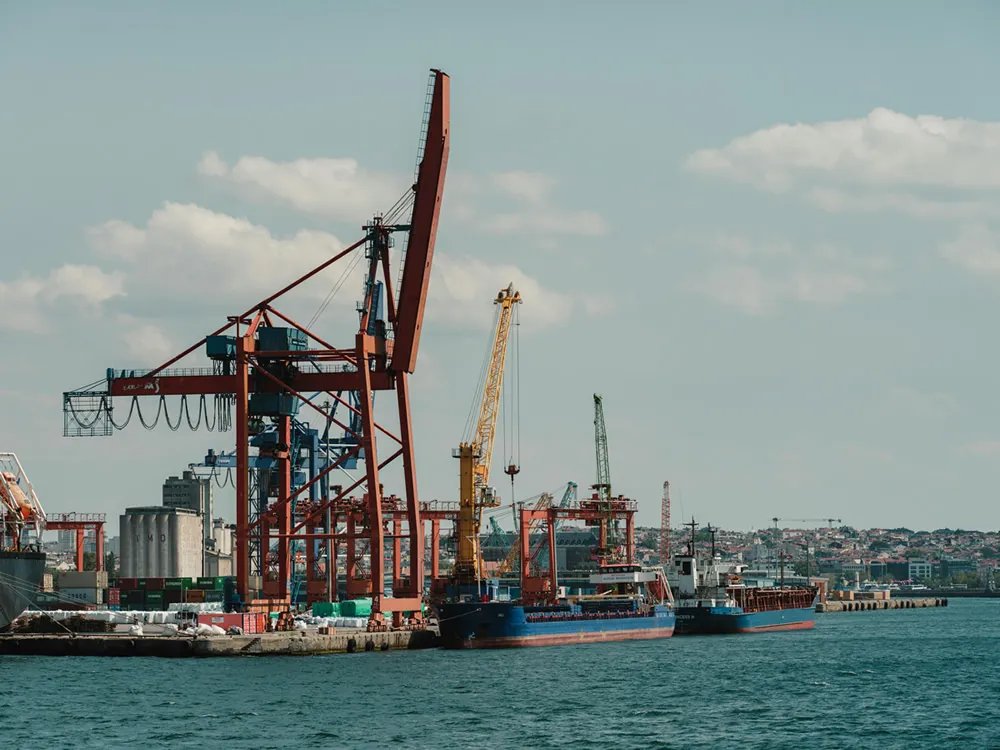
Re-export trade, simply put, is a trading model where companies establish transit agencies in a third country to transport goods from the country of production to the country of consumption. Its advantages seem obvious, such as bypassing certain trade barriers and enjoying tax benefits in specific regions. Many companies were initially attracted by these enticing conditions and embarked on the path of re-export trade with great ambition.
But the reality is often much more complicated. Mr. Qi company is an example. They originally planned to use re-export trade to enter a market with strict import restrictions. As envisioned, the goods would first be shipped to a transit point for simple processing and packaging, and then exported to the target market under the name of the transit point. However, they encountered numerous difficulties in the actual operation process.
II. Major "Minefields" Leading to Re-export Trade Failure
- Uncertainty in logistics. Re-export trade involves multiple transportation links, and goods need to flow between different countries and regions. Mr. Qi company encountered transportation delays, causing the goods to fail to arrive at the transit point for subsequent processing on time, thus missing the best sales opportunity.
- Changes in policies and regulations. Trade policies and regulations of various countries are constantly being adjusted. Once relevant policies in the transit country change, a previously feasible re-export trade plan may become infeasible. For example, sudden increases in tariffs or newly introduced quality inspection standards can catch companies off guard.
- Misjudgment of market demand. When conducting re-export trade, companies do not have a deep understanding of the demand in the target market. They assumed that slight modifications in the transit country would cater to the market, only to find that the products did not meet the actual needs of local consumers, leading to sluggish sales.
III. Reflection and Response After Re-export Trade Failure
When re-export trade fails, companies cannot just dwell on regret; they must conduct a thorough reflection. First, they need to re-evaluate the entire trade process and identify the specific links where problems occurred. Like Mr. Qi company, after reflection, they realized that the risk assessment of the logistics was severely insufficient, and no effective contingency plans were made.
Second, it is necessary to strengthen the research and monitoring of policies and regulations. It is important to stay informed about policy changes in both the transit country and the target market to make adjustments in advance. Meanwhile, for market demand, more effort must be invested in research to truly understand consumers' preferences and needs, so that product adjustments can be targeted and effective.
Conclusion: Re-export Trade Failure is Not the End
Although re-export trade failure can bring certain losses and setbacks to businesses, it is not entirely without meaning. Every failure is a valuable lesson that can make businesses more cautious and comprehensive in their future trade decisions. We hope that all business operators can draw nutrition from these failure cases, take fewer detours in subsequent re-export trade or other trade activities, and achieve better results. You are also welcome to share your experiences and views on re-export trade in the comment section, so that we can discuss and grow together.

Recent Comments (0) 0
Leave a Reply