“The 20 tons of polyester yarn I shipped to Vietnam through Fangchenggang last month had 15% lower logistics costs than the traditional route.” Mr. Deng said with emotion, flipping through the report. This port city on the China-Vietnam border is quietly becoming an “invisible champion” for the export of textile raw materials. This article will take you to deconstruct the unique advantages and practical strategies of Fangchenggang's textile raw material export agency.
I. Location Advantage: Natural Genes Create a Trade Hub
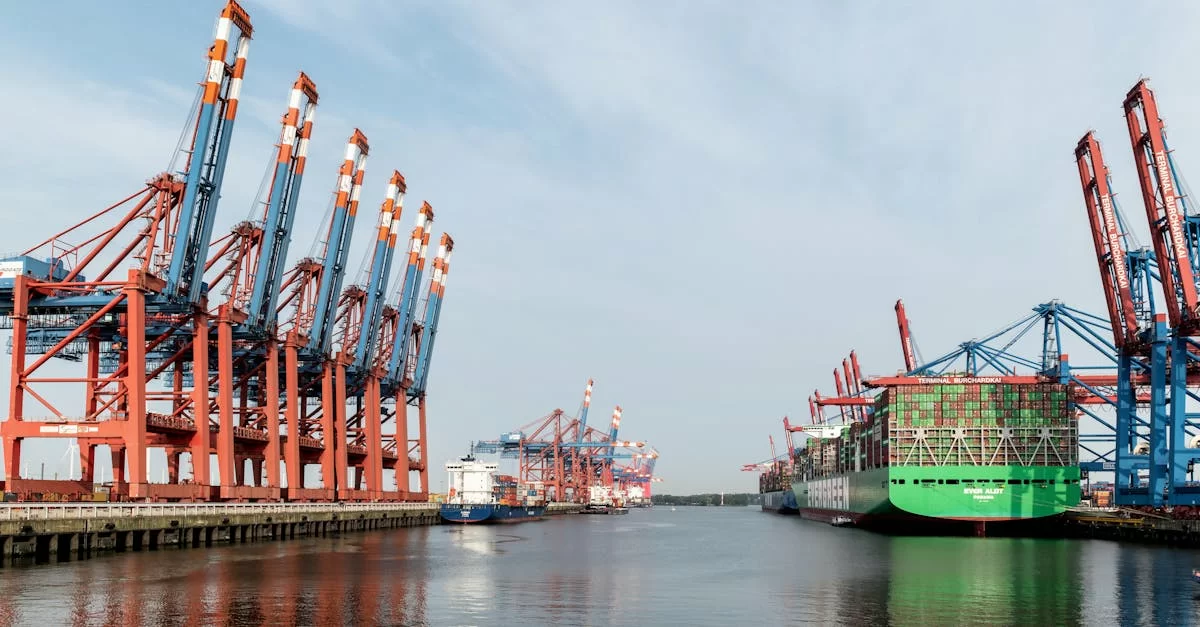
Fangchenggang boasts the only location in western China that is connected to ASEAN by both sea and land:
- Sea Freight Cost Advantage: Only 150 nautical miles to Haiphong, Vietnam, shortening the voyage by about 36 hours compared to ports in the Pearl River Delta
- Land Convenience: Via Dongxing Port by land to Mong Cai, Vietnam, enabling “morning departure, noon arrival” cross-border express delivery
- Policy Synergies: Enjoy multiple tax preferences such as the Western Development Strategy and border trade
II. Analysis of Core Value of Agency Services
Services provided by professional agencies like Zhongmaoda go far beyond customs declaration and clearance:
- Compliance Risk Control System: Establish an early warning mechanism for differentiated textile raw material standards in ASEAN countries (such as Vietnam's TCVN 7425-2015)
- Logistics Combination Solutions: Flexible choice of “sea-land intermodal transport” or “cross-border drop-and-pull” mode based on cargo volume
- Cost Optimization Module: Through border resident mutual market trading policies, some product categories can enjoy a tax-free quota of 8,000 yuan/day
III. Practical Case: Reduced Export Costs by 17% in 3 Months
Mr. Deng chemical fiber company achieved through agency services:
- Changed the transportation route from “Guangzhou-Singapore” to “Fangchenggang-Ho Chi Minh City”, saving $230 per container
- Utilized pre-positioned storage in border warehouses, compressing customer delivery cycles from 14 days to 7 days
- The Vietnam Certificate of Origin (C/O Form DA) handled by the agency reduced tariffs from 12% to 8%
IV. Future Trends: New Opportunities Brought by Digitization
With the launch of the China-ASEAN Free Trade Area Version 3.0, Fangchenggang is forming:
- Electronic Customs Clearance: Cross-border blockchain platforms achieve “intelligent review of documents”, shortening the average customs clearance time to 2 hours
- Supply Chain Finance: Credit loans based on export data to solve the problem of working capital turnover for textile enterprises
- Quality Traceability System: Realize full-chain tracking from cotton field to finished garment through RFID technology
When you next see the “Made in Vietnam” label on Southeast Asian clothing, its raw materials may be coming from Fangchenggang's efficient supply chain. Choosing a professional agency is not just about optimizing logistics solutions, but also an entry ticket to participate in the reconstruction of the international textile industry chain. Are your company's textile raw materials ready to take advantage of this “golden channel”?

Recent Comments (0) 0
Leave a Reply