"A single set of fertilizer customs declaration documents was returned 3 times, resulting in a loss of nearly 100,000 yuan in shipping fees!" Mr. Liu recently encountered such a predicament while expanding in the Southeast Asian market. Fertilizer export seems simple, but the hidden costs and frequent pitfalls in the customs declaration process often catch businesses off guard. This article will reveal the core process, common traps, and value of agency services in fertilizer export customs declaration, helping you avoid the "invisible iceberg."
Why is Fertilizer Export Customs Declaration More Complex Than Ordinary Goods?

As special chemical products, fertilizers are subject to additional regulatory requirements in over 90% of countries worldwide. Taking a batch of urea exports handled by Zhongmaoda agency as an example, it must simultaneously meet:
- Exporting country MSDS (Material Safety Data Sheet) certification
- Importing country Ministry of Agriculture's fertilizer ingredient filing
- Maritime IMDG Code (International Maritime Dangerous Goods Code) classification
Mr. Liu once had her entire container of goods detained at the port for 15 days due to failing to update the new Philippine regulation on fertilizer potassium content, incurring a daily demurrage fee of $2,000.
4 Irreplaceable Values of Professional Customs Brokerage Agencies
Compared to self-handled customs declaration, professional agencies can solve:
- Dynamic Regulation Monitoring: Such as Vietnam's newly added heavy metal testing standards for fertilizers in 2023
- Tariff Optimization Solutions: Reducing tax rates through free trade agreements like RCEP
- Emergency Channels: Priority warehousing rights during dangerous goods warehouse congestion
- Document AI Pre-screening: Reducing the customs manual inspection rate to below 3%
Beware of These 3 "Fatal" Operational Misunderstandings
According to statistics from Zhongmaoda's case library, high-frequency errors in fertilizer export customs declaration include:
- Declaring compound fertilizer as single nitrogen fertilizer (leading to failed tax rebates due to incorrect HS code)
- Ignoring destination country labeling requirements (e.g., Brazil requires Portuguese ingredient labeling)
- Failure to pre-register dangerous goods certificates (some countries require filing 30 days before shipment)
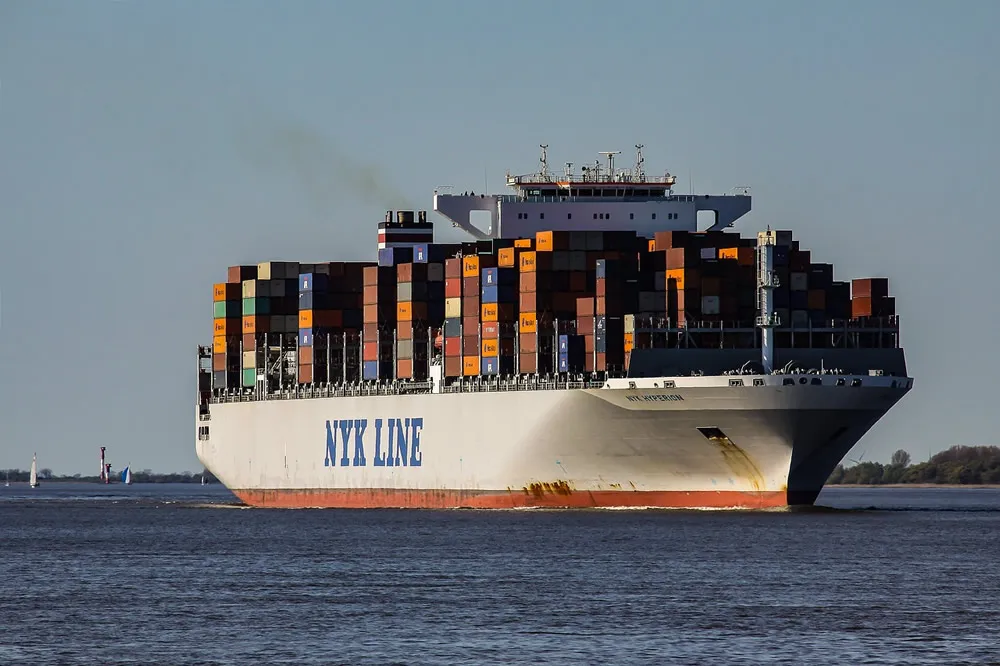
A company was judged by EU customs as "new chemical substance" and required to be returned due to not declaring the trace additives in the fertilizer.
How to Choose a Reliable Customs Brokerage Agency?
It is recommended to evaluate service providers through "three checks":
- Check dangerous chemical operation qualifications (such as China Customs AEO certification)
- Check industry case library (at least 50 cases of same-category operation experience)
- Check emergency response speed (can provide 24-hour customs duty service)
The golden window period for fertilizer exports is often only 2-3 days, and a professional agency team can help you seize fleeting business opportunities.
Actionable Advice: What Preparations Should Your Fertilizer Exports Make?
Immediately check your:
- Latest version of MSDS to ensure it includes all additives (including ingredients with content ≤1%)
- Validity period of agricultural chemical registration in your target market
- Bill of Lading to ensure it is marked with "Non-hazardous Declaration" (for ordinary fertilizers)
Welcome to share your customs declaration difficulties in the comment section. We will select 3 typical cases for professional analysis.

Recent Comments (0) 0
Leave a Reply