On the grand stage of international trade, re-export trade, with its unique operating model, has created more business opportunities for enterprises. Among these, the receive-first-pay-later model in re-export trade stands out like a mysterious pearl, attracting the attention of numerous trade practitioners. Today, let's unveil its mystery together and delve into the intricacies of this model.
Analysis of the Re-export Trade Receive-First-Pay-Later Model
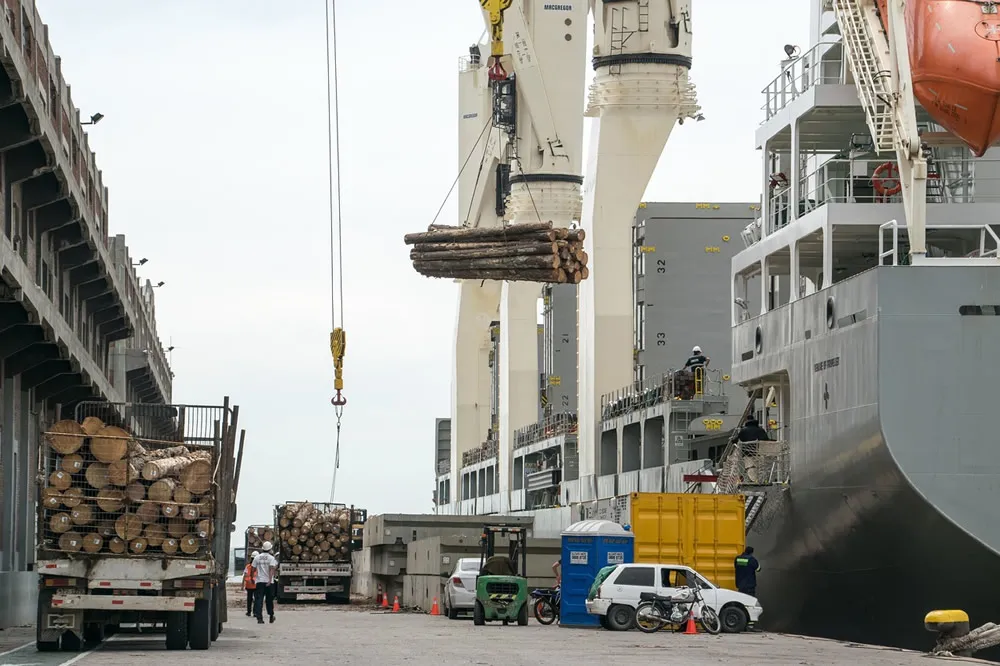
Simply put, re-export trade refers to the buying and selling of imported and exported goods in international trade that does not occur directly between the producing country and the consuming country, but rather through a third country. Under the receive-first-pay-later model, companies first collect payment from the final buyer and then pay the supplier. This model offers unique advantages for cash flow planning. For instance, after receiving payment from the buyer, companies can use these funds for short-term capital turnover or invest them in other business segments, thereby enhancing capital utilization efficiency.
Take Mr. Du trading company as an example. They received an order from a European client for a batch of electronic products. Mr. Du company, acting as a re-export trader, first signed a contract with the European client and collected payment, and then procured goods from an Asian supplier and made payment. In this process, the company fully utilized the cash flow buffer period provided by the receive-first-pay-later model.
Advantages of the Receive-First-Pay-Later Model
- Flexible Capital Turnover: Companies obtain funds in advance, enabling them to better meet capital demands in procurement, production, and other stages, thus preventing business stagnation due to capital shortages.
- Reduced Credit Risk: Receiving payment first, to some extent, reduces the risk of buyer default and safeguards the company's interests. This is because even if subsequent supplier issues arise, the company has already secured a certain level of financial protection.
- Enhanced Negotiation Power: With funds in hand, companies can negotiate more favorable purchasing prices, delivery terms, and other clauses with suppliers, thereby elevating their position in trade.
Precautions During Operation
While the receive-first-pay-later model offers significant advantages, there are also some points to note in practical operation. Firstly, the rigor of contract terms is paramount. When signing contracts with buyers and suppliers, it is crucial to clearly define the rights and obligations of all parties, especially key terms such as payment time, delivery time, and cargo quality standards, to avoid disputes arising from contract loopholes.
Secondly, the coordination of logistics links must be seamless. As it involves three or even multiple parties, the transportation, warehousing, and other links of goods need to be meticulously arranged to ensure that goods arrive at their destination on time and in good quality. Mr. Du company, for example, once incurred additional storage fees and suffered a profit reduction due to poor logistics coordination, which caused goods to be stranded in a transit port.
Furthermore, compliance issues cannot be overlooked. Re-export trade involves laws and regulations of different countries and regions, and companies must ensure that their operations comply with relevant regulations to avoid penalties due to non-compliance.
Seize Opportunities, Judiciously Apply the Receive-First-Pay-Later Model
The re-export trade receive-first-pay-later model offers companies a unique mode of trade operation, which, through judicious application, can yield advantages in capital management, risk control, and other areas. However, this model is not without its challenges; companies need to handle every aspect carefully in practical operation. We hope that all trade practitioners can gain a deep understanding of this model, fully leverage its advantages, navigate the tides of international trade, and achieve better performance. Let us continuously explore the field of re-export trade together, jointly promoting the development and advancement of the trade industry.

Recent Comments (0) 0
Leave a Reply