"Mr. Lu recently received an overseas order, and the other party requested delivery under FOB terms. When he saw the agency fee bill, he couldn't help but gasp – this fee almost ate up 15% of his profit!" Such scenarios are all too common in the foreign trade circle. Today, let's delve deep into the composition and value of FOB export agency fees to help you determine whether this expense is a "necessary cost" or an "invisible trap."
I. Unveiling the "Mysterious Veil" of FOB Agency Fees
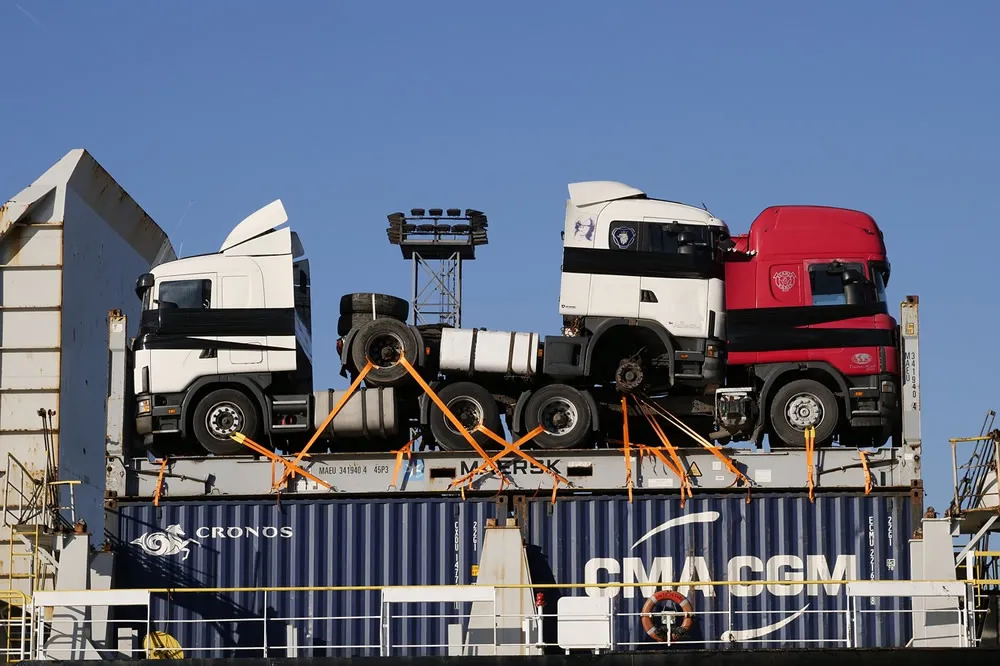
FOB (Free On Board) is a commonly used term in international trade, meaning the seller bears all costs until the goods pass the ship's rail. However, in actual practice, agency service fees often include the following hidden items:
- Document processing fee: Production of customs declaration forms, certificates of origin, and other documents.
- Logistics coordination fee: Transportation arrangements from the factory to the port.
- Terminal Handling Charge (THC): Port miscellaneous fees such as container loading and unloading.
- Emergency handling fee: Response to unforeseen circumstances such as customs inspections.
II. Three Major Controversies in Agency Fee Pricing
When Mr. Lu consulted Zhongmaidda, she found that the quotation differences between different agents could be as high as 30%. This chaos mainly stems from:
- Vague service boundaries: Whether value-added services like inspection and supervision of loading are included.
- Confusing billing standards: Percentage of cargo value vs. number of containers.
- Transfer of hidden costs: Temporary additional charges such as fuel surcharges.
An actual case study of a garment exporter shows that although the all-inclusive agency service had a unit price 8% higher, it saved 23% in time costs compared to segmented procurement services.
III. Cost Control Rules for Smart Sellers
To avoid becoming an "easy target," the following strategies are recommended:
- Request a detailed quotation: Break down individual fees for customs declaration, transportation, etc.
- Compare service response speed: The ability to handle urgent orders is more important.
- Leverage economies of scale: Negotiate discounts for annual export volumes exceeding 100 containers.
Zhongmaidda's senior consultant reminds: "The cheapest option can be the most expensive. A client once suffered cargo detention due to choosing a low-cost agent, ultimately paying liquidated damages."
IV. Future Trends: The Transformation Brought by Digitalization
With the application of blockchain technology, pilot enterprises in Shenzhen have achieved automatic settlement of agency fees through smart contracts, reducing the error rate from 7% in manual operations to 0.3%. This "pay-as-you-go" model may reshape industry rules.
Now it's your turn: What FOB agency fee traps have you encountered recently? Feel free to share your experiences in the comments section. The reader with the most likes will receive a free e-book on the 2024 Port Fee Avoidance Guide. After all, every penny saved is pure profit!

Recent Comments (0) 0
Leave a Reply