In the complex and intricate realm of foreign trade operations, export agency fees for foreign trade have always been a focal point of concern for many practitioners. After all, this directly relates to cost accounting and final profit acquisition. Today, let us delve into the intricacies of export agency fees for foreign trade, helping everyone navigate the operational landscape with greater clarity.
I. Constituent Elements of Export Agency Fees for Foreign Trade
1. Basic Agency Fee
This is the fee charged by the export agency for foreign trade company for providing a series of basic services to clients. For example, assisting with export customs clearance procedures and preparing relevant trade documents. Typically, the basic agency fee is determined based on the value of the exported goods, the complexity of the business, and other factors. Generally, the higher the value of the goods and the more intricate the business process, the higher the basic agency fee may be.
2. Transportation and Logistics Fees
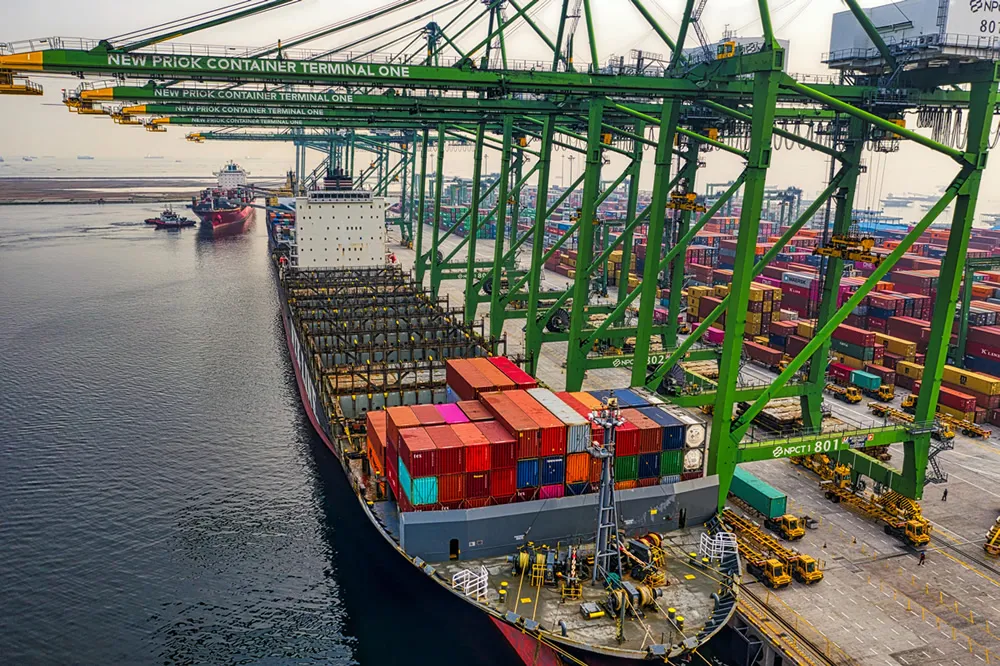
Exportation in foreign trade is inseparable from logistics and transportation. The agency company may arrange for the transportation of goods from the factory to the port and then to the destination abroad. The freight, warehousing fees, and other related costs may be included in the agency fees or itemized separately for the client's awareness. Different modes of transportation, such as sea freight, air freight, and land transport, have significant cost variations, and are also influenced by factors such as distance, cargo weight, and volume.
3. Document Handling Fees
Accurate handling of various documents in foreign trade business is crucial. The agency company may charge corresponding fees for tasks such as the creation, review, and submission of documents like bills of lading, customs declarations, and commercial invoices. If errors in documents require correction or re-processing, additional expenses may be incurred.
II. Factors Affecting Export Agency Fees for Foreign Trade
1. Nature and Type of Goods
Different natures and types of goods have varying export requirements and operational complexities. For instance, the export of certain hazardous chemicals requires adherence to stricter regulations and more procedures, thus incurring higher agency fees compared to ordinary goods. Similarly, high-value, fragile precision instruments require special handling during transportation and packaging, which will also increase agency fees.
2. Destination Market
Different export destinations involve varying trade policies and customs regulations. If the destination market's policies are more complex and impose numerous restrictions on imported goods, the agency company will need to invest more effort in handling these issues, leading to an increase in agency fees. For example, exporting to certain developed countries in Europe and America, where environmental standards and quality certification requirements are stringent, will result in increased costs for the agency company in assisting clients to meet these demands.
3. Service Content and Requirements
The fees will also vary depending on the client's differing service content and requirements from the agency company. Some clients may only require the agency company to handle basic customs clearance and transportation arrangements, resulting in relatively lower fees. However, other clients may demand full-service tracking, including communication and coordination with foreign clients and handling trade disputes, which comprehensive service will inevitably lead to higher agency fees.
III. How to Reasonably Control Export Agency Fees for Foreign Trade
1. Compare Multiple Options and Select a Suitable Agency Company
There are numerous export agency for foreign trade companies in the market, with varying fee standards and service quality. Mr. Duan once paid higher agency fees with unsatisfactory service because he did not conduct sufficient comparisons when selecting an agency company. Therefore, it is recommended to consult several companies, compare their fee items and service content, and then choose an agency company that offers good value for money.
2. Clarify Service Needs and Avoid Unnecessary Service Items
Before cooperating with an agency company, it is essential to clearly define your service needs. Mr. Duan, in one export transaction, only needed basic customs clearance and transportation services. However, due to a lack of clear communication with the agency company, some additional service items were added by default, leading to increased costs. Therefore, it is important to confirm the specific services required with the agency company in advance to avoid paying for unnecessary services.
3. Optimize Cargo and Business Processes
From the perspective of your own business, you can reduce the agency company's operational costs by optimizing cargo packaging, transportation arrangements, and simplifying some cumbersome steps in business processes, thereby indirectly reducing agency fees. For example, by reasonably arranging cargo dispatch times, you can avoid situations where freight rates rise due to peak season transportation.
Conclusion: Emphasize Export Agency Fees for Foreign Trade and Enhance Business Efficiency
Although export agency fees for foreign trade are just one aspect of foreign trade operations, they have a significant impact on overall costs and efficiency. Understanding their constituent elements, influencing factors, and mastering reasonable control methods can help us operate more adeptly in foreign trade business and achieve better economic benefits. We hope that in future foreign trade export operations, everyone will pay attention to this crucial factor of agency fees, and by means of reasonable planning and operation, enhance their business efficiency. We also welcome everyone to share their experiences and insights in this regard in the comment section, so that we can learn and progress together.

Recent Comments (0) 0
Leave a Reply