Mr. Hou recently registered a foreign trade company but struggled when choosing a business model – self-operated import and export sounds more autonomous, while the agency model seems more worry-free. Which one is truly more suitable for SMEs? This article will break down the core differences, applicable scenarios, and potential risks of both, to help you find the optimal solution.
I. Self-Operated Import and Export: A Double-Edged Sword of Control and Threshold
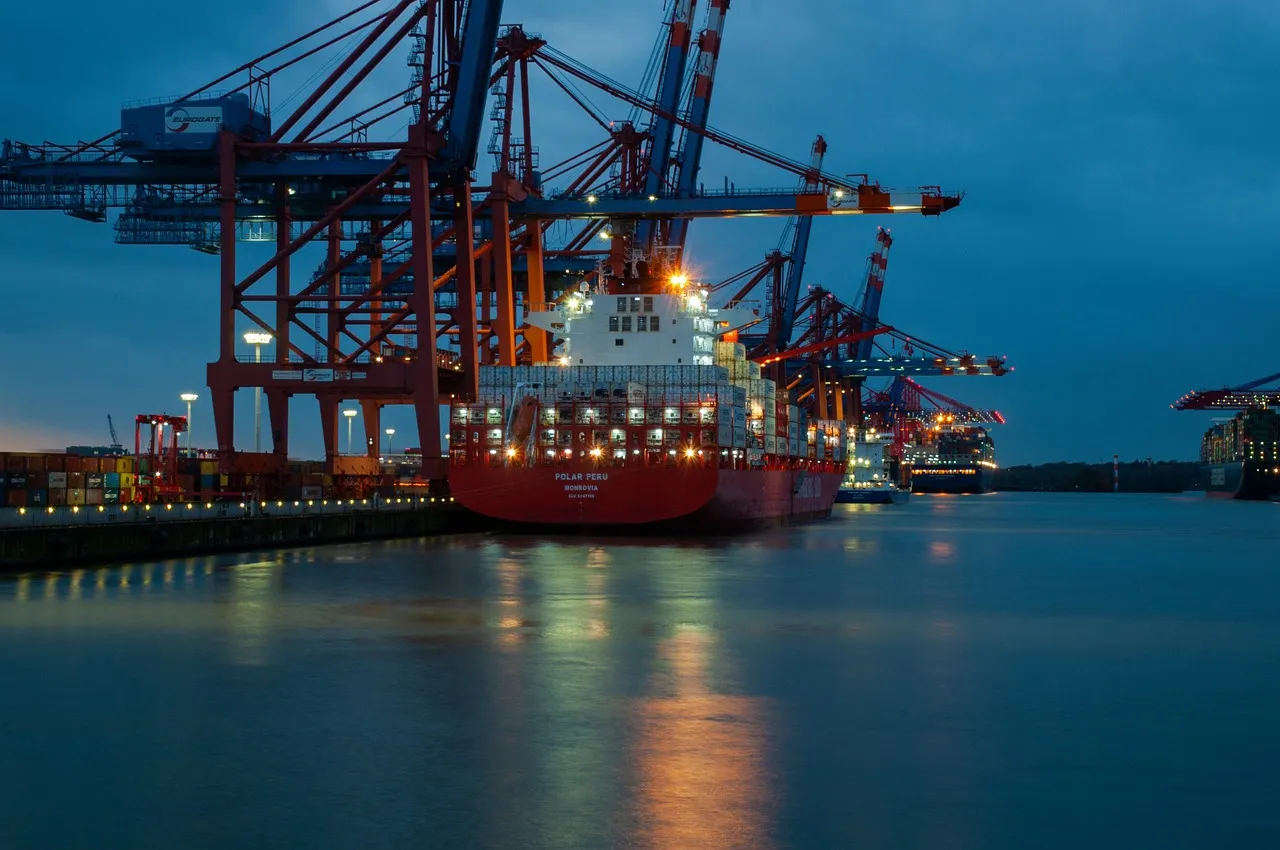
Core Characteristics of Business Scope: Enterprises independently complete the entire process from customs declaration, logistics, to foreign exchange collection and payment, requiring import and export qualifications. Data from professional service organizations like Zhongmao Express shows that in 2023, the self-operated model accounted for 62% in the electromechanical and chemical sectors.
- Advantages list:
- Increased profit margins (by saving agency fees)
- Direct accumulation of customer resources
- Faster supply chain response speed
However, Mr. Hou lesson is worth noting: her garment factory, due to unfamiliarity with rules of origin, resulted in a batch of goods being seized by customs, with losses exceeding 200,000 yuan.
II. Agency Import and Export: Hidden Costs of Lean Operations
Agency companies operate on behalf of others using their own qualifications; enterprises only need to provide goods sources and orders. Suitable for three types of operators:
- Start-up enterprises (annual export value
- Multi-category trial stage
- Specially controlled goods (e.g., medical devices)
Risk Warning: Agency fees are typically 1-3% of the goods value, but beware of "all-inclusive tax" traps. A food exporter, due to an agent's false declaration of value, was subsequently pursued for back taxes and fines totaling 150% of the goods value.

III. Decision Tree: 5 Key Assessment Dimensions
Using this framework for selection is more scientific:
- Does the team have foreign trade professionals?
- Does the value of a single batch of goods exceed 800,000 yuan?
- Does the product involve anti-dumping?
- Is the annual order fluctuation rate > 30%?
- Is brand exposure required?
Hybrid models are on the rise – among Zhongmao Express clients, 37% of enterprises adopt a "self-operated + agency" dual-track system, with main categories being self-operated and new categories entrusted to agencies.
IV. New Trends in 2024: Model Reconstruction Driven by Digitalization
Cross-border e-commerce ERP systems are lowering the threshold for self-operation:
- Intelligent classification systems reduce customs declaration error rates
- Widespread adoption of foreign exchange risk hedging tools
- Cross-border payment cycles shortened to T+3
However, agency services are also upgrading; leading agencies are starting to provide value-added services such as market entry consulting and overseas warehousing and distribution.
What Should Your Choice Be?
Why not take a test: if more than 3 of the following statements apply, self-operation might be a better choice:
- Have dedicated customs personnel
- Main product tariff rate > 5%
- Annual export value stable at tens of millions
- Clients specifically require direct contracts
Feel free to share your business model dilemmas in the comments section, and we will select 3 readers to provide a free risk control assessment report.

Recent Comments (0) 0
Leave a Reply