In today's era of global economic integration, foreign trade export enterprises are as numerous as stars, actively participating in the international market. However, for many professionals in foreign trade, accurately understanding the company's declaration type is crucial. It not only concerns the compliance of business operations but is also closely related to the company's development. Today, let us unveil the mysteries surrounding the declaration types of foreign trade export enterprises together.
General Trade Declaration Type
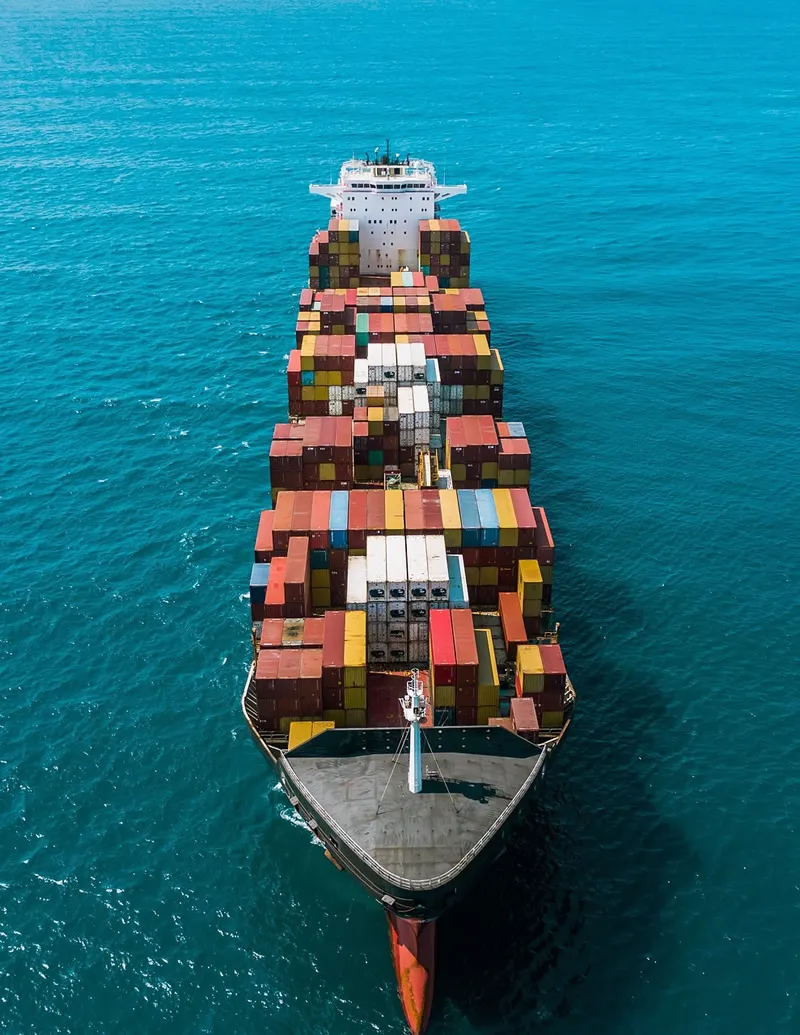
General trade is one of the most common declaration types for foreign trade export enterprises. Under this declaration type, goods are produced or procured domestically and then directly exported abroad. For instance, a garment manufacturing company exports various types of its self-produced clothing to European and American markets through general trade, adhering to international order requirements.
The characteristic of general trade declaration is that it strictly follows market rules, with free transactions between buyers and sellers. Enterprises need to provide detailed information about the goods, including product name, specifications, quantity, value, and so on. This declaration type is suitable for enterprises with stable production capacity and independent intellectual property rights. For foreign trade export enterprises like Zhongmaoda, if their core business is the external sale of self-developed and manufactured products, general trade would be one of their primary declaration types. Concurrently, general trade offers relatively clear and definite tax rebate policies; as long as the enterprise meets relevant regulations, it can smoothly process export tax rebates, thereby reducing costs for the enterprise.
Processing Trade Declaration Type
Processing trade is further divided into outward processing and inward processing. Outward processing refers to a scenario where foreign clients provide raw materials, domestic enterprises process them according to client requirements, and the finished products are then exported back to the foreign clients, with the enterprises only collecting processing fees. For example, a foreign electronics company provides chips and other raw materials, and a domestic enterprise processes and assembles them into electronic products before selling them back.
Inward processing involves domestic enterprises purchasing raw materials themselves, processing them into finished products, and then exporting them. Both methods have their own characteristics. Outward processing poses relatively lower risks for enterprises, as they do not bear the risks of raw material procurement and product sales; however, the profit margin primarily comes from processing fees. Although inward processing requires enterprises to bear the risks of raw material procurement and market sales, if managed properly, the profit margin can be greater. For enterprises with strong production capabilities but lacking raw material resources, the processing trade declaration type is a good choice. If Zhongmaoda can reasonably utilize processing trade, it can fully leverage its production advantages.
Other Special Declaration Types
Besides the common types mentioned above, there are also some special declaration types. For example, the declaration type for transshipment of goods stored in bonded areas. Enterprises store goods within bonded areas, perform simple processing or warehousing, and then transship them to other countries. This type is suitable for enterprises engaged in entrepôt trade, allowing them to leverage the policy advantages of bonded areas and reduce operational costs.
Additionally, there is the declaration type for border small-scale trade, mainly applicable to foreign trade enterprises in border regions. Through this method, they engage in small-scale trade with neighboring countries and enjoy certain preferential policies. Different special declaration types have their specific applicable scope and policy support, and enterprises need to choose reasonably based on their own actual circumstances.
How to Choose the Suitable Declaration Type
When choosing a declaration type, foreign trade export enterprises should consider multiple factors comprehensively. Firstly, it's the enterprise's business model. If the enterprise primarily focuses on self-production and sales, general trade may be more suitable. If it relies on processing for profits, processing trade should be the priority. Secondly, policy factors must be considered. Tax and regulatory policies differ across various declaration types, and enterprises need to conduct thorough research and fully utilize policy advantages. Finally, market factors cannot be overlooked, such as the target markets for products and customer demands, which will influence the choice of declaration type.
In summary, the selection of declaration types for foreign trade export enterprises is a complex yet crucial decision. Only by deeply understanding the characteristics and applicable conditions of various declaration types and combining them with the enterprise's own actual situation can the most beneficial choice for the enterprise's development be made. We hope all foreign trade professionals will attach importance to the selection of declaration types, enabling their enterprises to move forward steadily in the international market. We welcome everyone to share their experiences and insights in choosing declaration types in the comment section.

Recent Comments (0) 0
Leave a Reply