As we walk into our homes and admire the exquisite furniture, have we ever considered that it might come from distant lands or be on its way to a foreign destination? Indeed, today we will delve into the fascinating and challenging realm of furniture import and export.
I. The Flourishing Landscape of Furniture Import and Export
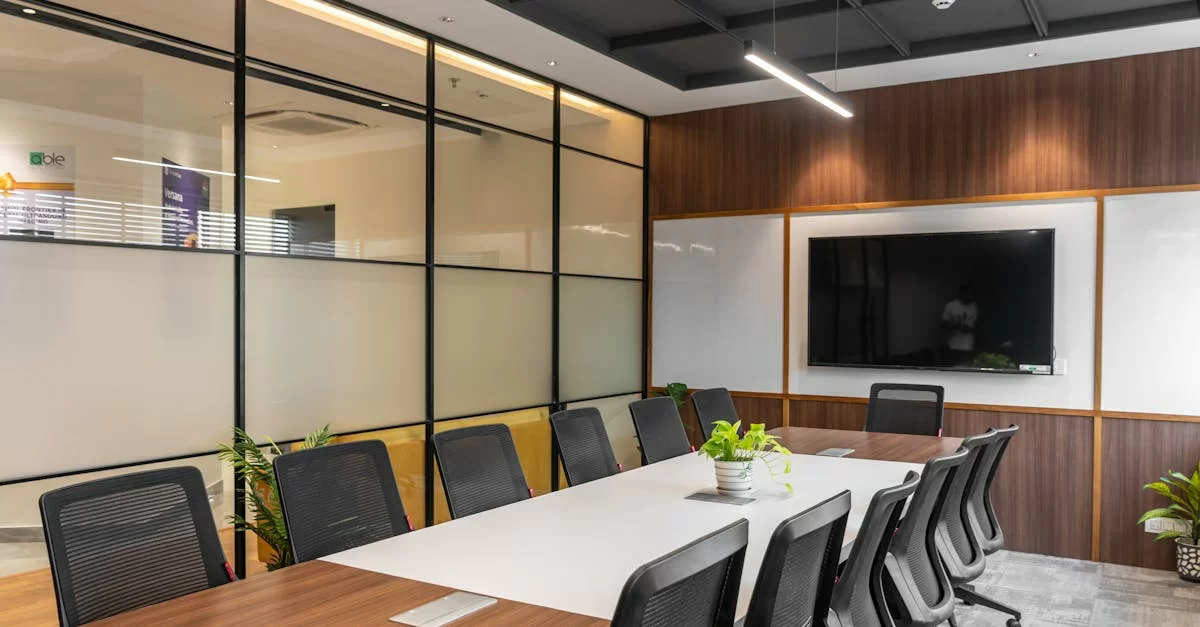
Under the wave of globalization, the furniture import and export industry presents a flourishing scene. People worldwide have a growing demand for furniture of different styles. From the luxurious elegance of European design to the rustic charm of Chinese aesthetics, from the minimalist modern Nordic style to the passionate American style, various furniture pieces circulate endlessly in the international market.
Take Zhongmaoda, for example. As a company with extensive experience in furniture import and export, it has witnessed the vigorous development of this industry. Every year, a large volume of high-quality furniture is exported to every corner of the globe through its professional operations, while simultaneously, distinctive furniture from around the world is introduced into the domestic market, satisfying consumers' diverse aesthetic needs.
II. Challenges Faced and Coping Strategies
However, furniture import and export is not without its hurdles. Firstly, there is the transportation aspect. Furniture is often large in volume and irregular in shape, making it highly susceptible to damage during transit. This requires companies to pay special attention to packaging, using robust and appropriate materials to ensure furniture reaches its destination safely.
For instance, if wooden furniture is improperly packaged, it may suffer scratches, dents, or even breakage during the bumps and jolts of long-distance transport, which would severely impact its quality and sales.
Furthermore, different countries and regions have varying standards for furniture quality and environmental requirements. Companies must thoroughly understand and strictly adhere to these regulations; otherwise, they may face awkward situations such as product returns. Zhongmaoda excels in this regard, having assembled a professional team that constantly monitors changes in relevant policies and regulations across countries, promptly adjusting products to meet requirements.
III. Outlook on Future Development Trends
With continuous technological advancements, the furniture import and export industry is also undergoing subtle changes. The rise of e-commerce platforms has provided broader sales channels for furniture import and export. Consumers can now easily browse and purchase furniture from all over the world online, greatly boosting the industry's development.
Concurrently, the increasing public awareness of environmental protection has prompted companies to pay more attention to the selection of raw materials and production processes for furniture. Eco-friendly and sustainable furniture is becoming increasingly popular in the international market. Zhongmaoda is actively embracing this trend, continuously launching green and environmentally friendly furniture products, earning a good reputation in the international market.
Conclusion: Seize Opportunities, Embrace Challenges
The furniture import and export industry is like a bridge connecting different cultures and lifestyles, making our home lives more vibrant and diverse. But on this path, there are both opportunities and challenges. Both companies and consumers should gain a deeper understanding of this industry and jointly promote its development towards a healthier and more sustainable direction.
Dear readers, what are your thoughts on the furniture import and export industry? Are you fond of foreign-style furniture, or do you have certain expectations for the industry's development? Please feel free to leave your comments in the discussion area below, and let us contribute together to the dissemination of home decor styles!

Recent Comments (0) 0
Leave a Reply