On the grand stage of international trade, the customs declaration process for general import and export goods is a crucial link! It's akin to the complex preparations behind a spectacular performance; every step must be precise, otherwise, things might get chaotic. Today, let's delve deeply into this mysterious yet important declaration process together.
I. Preparations Before Declaration
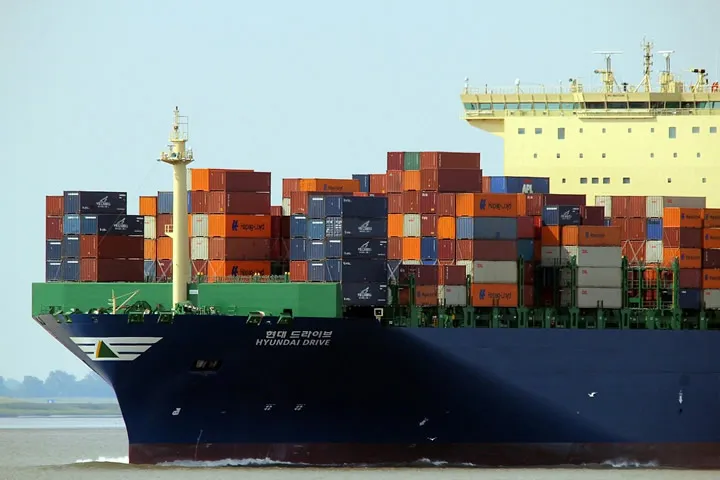
First, Mr. Huang, as a personnel involved in import and export business, needs to prepare a series of necessary documents. This includes the commercial invoice, packing list, and bill of lading for the imported and exported goods. These documents are like the "identity cards" for the goods, detailing various information such as the name, specifications, quantity, and value of the goods. Never underestimate the preparation of these documents; any inaccurate or missing information can cause significant trouble in the subsequent declaration process!
Additionally, you need to determine the commodity code for the goods. This code is very important; it accurately classifies the goods, and customs uses this code to determine the applicable tax rates, inspection conditions, and other important information for the goods. Therefore, be sure to check it carefully to ensure the code is correct.
II. Import and Export Declaration Phase
After the preparations are complete, it's time for the crucial declaration phase. At this point, you need to submit the relevant customs declaration information to the customs through the electronic port or other designated declaration systems. The customs declaration form should truthfully fill in the previously prepared cargo information and document status. Remember, you must declare truthfully; any false information is absolutely not allowed, and the consequences of being discovered can be very serious!
- During the declaration, if you encounter special circumstances, such as the goods having special inspection requirements, or if there are minor questions about the documents, customs may require further supplementary materials or explanations. Don't panic; just handle it promptly according to customs requirements.
III. Customs Inspection Stage
After the declaration, customs may inspect the import and export goods. This step is primarily to verify whether the declared information matches the actual goods. Customs officers will conduct operations such as opening the packages, checking quantities, and examining specifications based on a certain proportion or specific circumstances.
For Mr. Huang, it is necessary to actively cooperate with customs work during this stage. Provide necessary conveniences, such as arranging suitable venues for customs officers to conduct inspections. If problems are discovered during the inspection, such as discrepancies between the actual situation of the goods and the declaration, then appropriate handling will be subject to customs regulations.
IV. Tax Payment Phase
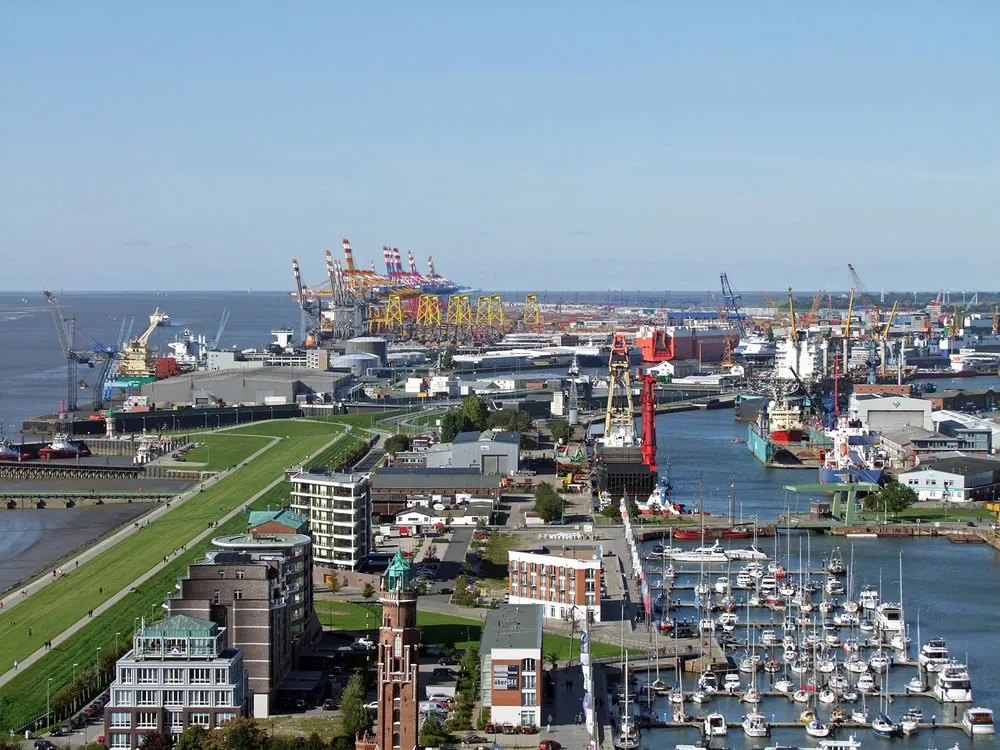
If all previous stages are passed smoothly, the next step is to pay taxes and fees. Customs will calculate the amount of tariffs, value-added tax, and other taxes and fees to be paid based on the commodity code of the goods and relevant tax rate regulations. Mr. Huang, as the finance personnel, must promptly and accurately pay the corresponding taxes and fees according to the tax notice issued by customs.
Do not think about delaying or evading tax payments; this is a violation of regulations and will bring you more trouble.
V. Cargo Release and Collection (or Export Shipment)
After the taxes and fees are paid, as long as everything complies with the regulations, customs will release the goods. For imported goods, Mr. Huang can proceed to collect the goods, and then smoothly integrate them into subsequent production, sales, and other processes. For exported goods, they can be shipped out as planned.
Thus, the customs declaration process for general import and export goods is successfully completed. However, every link must be treated seriously, and even the slightest carelessness can lead to problems. We hope that through today's understanding, everyone will have a clearer grasp of this declaration process.
Conclusion: Let's Act Together to Ensure Smooth Declarations!
After understanding the customs declaration process for general import and export goods, don't you feel that every step is important? In actual import and export operations, we must strictly follow the process to ensure that every link is error-free. If you have any questions or experiences during the customs declaration process, feel free to leave comments and share them. Let's work together to make every customs declaration go smoothly!

Recent Comments (0) 0
Leave a Reply