On the grand stage of global trade, agricultural product re-export trade is becoming increasingly active. For many traders involved in it, a key question always lingers: does agricultural product re-export trade require quotas? This question is like a signal light in the fog, guiding the direction of traders. Today, let's clear the fog and explore it.
What is Agricultural Product Re-export Trade
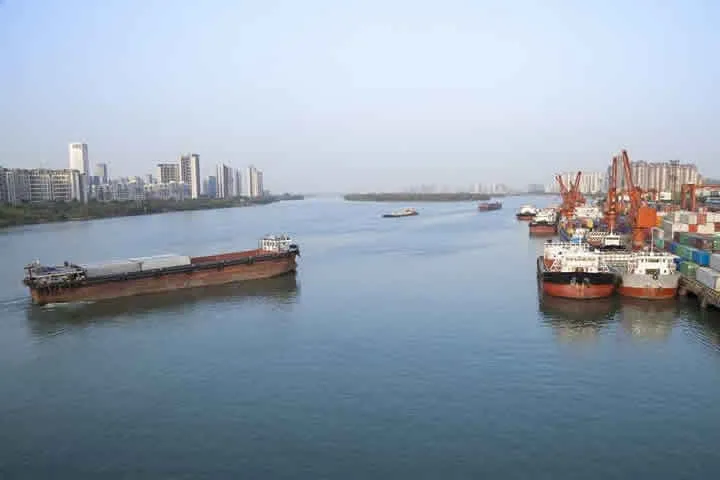
Agricultural product re-export trade, simply put, is when traders purchase agricultural products from country A, do not directly transport them to their own country, but first ship them to a third country. In the third country, they undergo certain processing or no processing, and then are re-exported to the final destination country. For example, Mr. Peng purchases a batch of coffee beans from Brazil, ships them to Singapore, undergoes simple roasting and processing in Singapore, and then ships them to Japan. This series of operations constitutes agricultural product re-export trade. This mode of trade can fully leverage the resource advantages and trade policies of different countries to maximize profits.
The Role of Quotas in International Trade
Quotas are a common restrictive measure in international trade. They stipulate the upper limit on the quantity of certain goods allowed for import or export within a certain period. Taking textiles as an example, a country may set quotas on imported textiles to protect its domestic textile industry. Any amount exceeding the quota cannot be imported or will be subject to high tariffs. The role of quotas in agricultural product trade is equally not to be underestimated. On the one hand, it can protect the interests of domestic agricultural producers, preventing a large influx of low-priced foreign agricultural products from impacting the domestic market. On the other hand, reasonable quota settings also help stabilize agricultural product prices and ensure market supply stability.
Does Agricultural Product Re-export Trade Require Quotas
There is no one-size-fits-all answer to this. From a basic principle perspective, if the agricultural products in the re-export trade do not undergo substantial processing in the transit country and are merely transshipped, and the transit country has no special quota control policies for the agricultural product, then generally no additional quotas are required. However, once substantial changes such as deep processing or repackaging occur in the transit country, the situation may become complex. For instance, if Mr. Peng imports rice from Thailand and processes it in a transit country through fine screening and packaging to create high-end gift packaging rice, the transit country may then impose quota requirements on such processed agricultural products based on its own regulations.
Furthermore, the policies of the final destination country must also be considered. Even if the transit country has no quota restrictions, if the destination country strictly manages quotas for the agricultural product, then the re-export trade must also comply with the destination country's quota regulations. For example, some European countries, in order to protect their domestic agricultural markets, have strict quotas on imported meat products. Whether these meat products are imported directly or through re-export trade, they must fall within the quota limits.
Strategies for Dealing with Quotas in Agricultural Product Re-export Trade
For companies engaged in agricultural product re-export trade, it is essential to closely monitor the changes in trade policies of various countries, especially those related to quotas. Zhongshi-Tong advises cooperating with professional trade consulting agencies to obtain the latest policy information in a timely manner and plan ahead. When selecting a transit country, the quota policies of that country and its relevant regulations on agricultural product processing should be fully assessed to avoid trade disruptions due to the transit country's policies. At the same time, before signing contracts with suppliers and customers, the responsibilities and obligations of both parties regarding quotas should be clearly defined to avoid potential disputes.
The issue of quotas in agricultural product re-export trade is both complex and critical. Traders can only move forward steadily in this field full of opportunities and challenges by deeply understanding and cautiously responding. We hope that traders will actively share their experiences and insights to collectively discuss how to better cope with the quota challenges in agricultural product re-export trade.

Recent Comments (0) 0
Leave a Reply